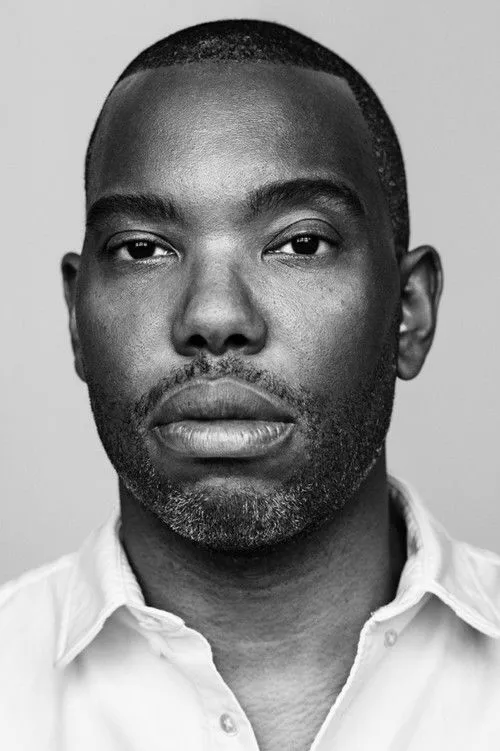
Age: 80
male
Paul Joseph Schrader (born July 22, 1946) is an American screenwriter, film director, and film critic. He first became widely known for writing the screenplay of Martin Scorsese's Taxi Driver (1976). He later continued his collaboration with Scorsese, writing or co-writing Raging Bull (1980), The Last Temptation of Christ (1988), and Bringing Out the Dead (1999). Schrader has also directed 24 films, including Blue Collar (1978), Hardcore (1979), American Gigolo (1980), Cat People (1982), Mishima: A Life in Four Chapters (1985), Light Sleeper (1992), Affliction (1997), and First Reformed (2017); the latter earned him his first Academy Award nomination. Schrader's work frequently depicts troubled men struggling through an existential crisis that is then punctuated by a violent, cathartic event. Raised in a strict Calvinist family, Schrader attended Calvin College before electing to pursue film studies at UCLA on the encouragement of film critic Pauline Kael. He then worked as a film scholar and critic, publishing the book Transcendental Style in Film: Ozu, Bresson, Dreyer (1972) before making the transition to screenwriting in 1974. The success of Taxi Driver in 1976 brought greater attention to his work, and Schrader began directing his own films beginning with Blue Collar (co-written with his brother, Leonard Schrader). His three most recent films have been described by Schrader as a loose trilogy: First Reformed (2017), The Card Counter (2021), and Master Gardener (2022). Description above from the Wikipedia article Paul Schrader, licensed under CC-BY-SA, full list of contributors on Wikipedia.
Paul Schrader

Writer
for Writer in The Galveston Giant: The Jack Johnson Story
Suggested by mastercaster1985
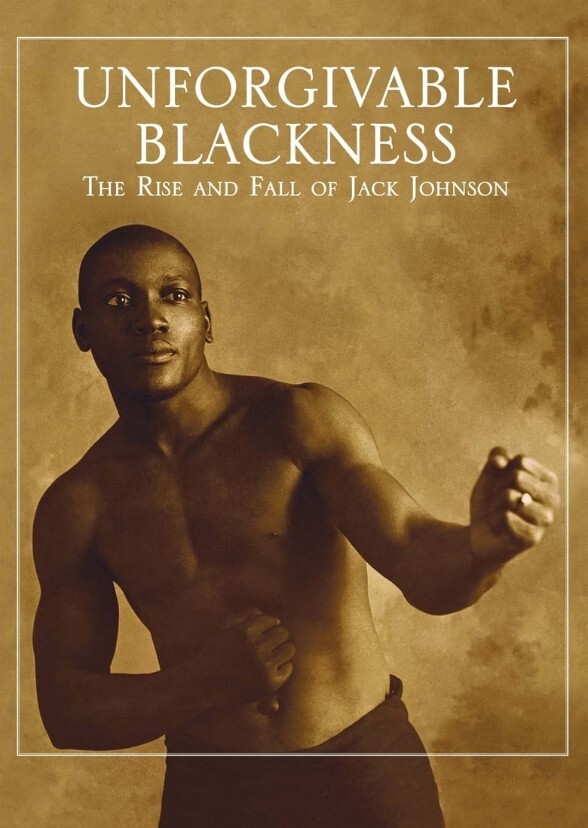
The Galveston Giant is a six-episode miniseries that brings to life the incredible, untold story of Jack Johnson, the first Black heavyweight champion of the world. Set against the backdrop of the racially charged early 20th century, this series is not just about boxing—it’s about defiance, resilience, and a man who refused to stay down. Visually, the series captures the grit and glamour of the era, from the raucous fight arenas to the jazz-filled clubs where Johnson flaunted his success. Each fight scene is a cinematic masterpiece, showing not just the physicality but the stakes—every punch thrown a metaphor for Johnson’s battle against oppression. Jack Johnson’s story is as relevant today as it was a century ago. His legacy transcends sports, serving as a powerful reminder of what it means to stand tall in the face of adversity. The Galveston Giant isn’t just a biopic—it’s a tribute to a trailblazer whose fight is still being fought.