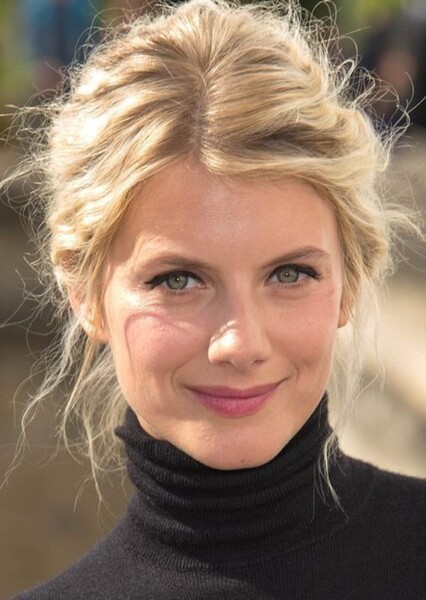
Age: 41
female
Mary Elizabeth Winstead (born November 28, 1984) is an American actress and singer. She's best known for her movie roles as Helena Bertinelli / Huntress in Birds of Prey (2020), Wendy Christiensen in Final Destination 3 (2006), John McClane's daughter Lucy Gennero-McClane in Live Free or Die Hard (2007) and A Good Day to Die Hard (2013), Holly Keely in The Spectacular Now (2013), Mary Todd Lincoln in Abraham Lincoln: Vampire Hunter (2012), and Ramona Flowers in Scott Pilgrim vs. the World (2010). Her best known TV roles are as Anna Urbanova on the Paramount+ series A Gentleman in Moscow, Laurel Healy on CBS's BrainDead, Mary Phinney on PBS's Mercy Street, and Nikki Swango on the FX series Fargo. In 2010, she married filmmaker Riley Stearns, whom she had met at age eighteen on an ocean cruise. She starred in and produced Stearns's debut feature film, Faults, in 2014. She announced their separation in May 2017 and their divorce was finalized later that year. In May 2017, she began a relationship with actor Ewan McGregor, whom she had met on the set of the third season of the Fargo television series. Their son, Laurie, was born on June 27, 2021, and they married in April 2022. From Wikipedia, the free encyclopedia.
Mary Elizabeth Winstead

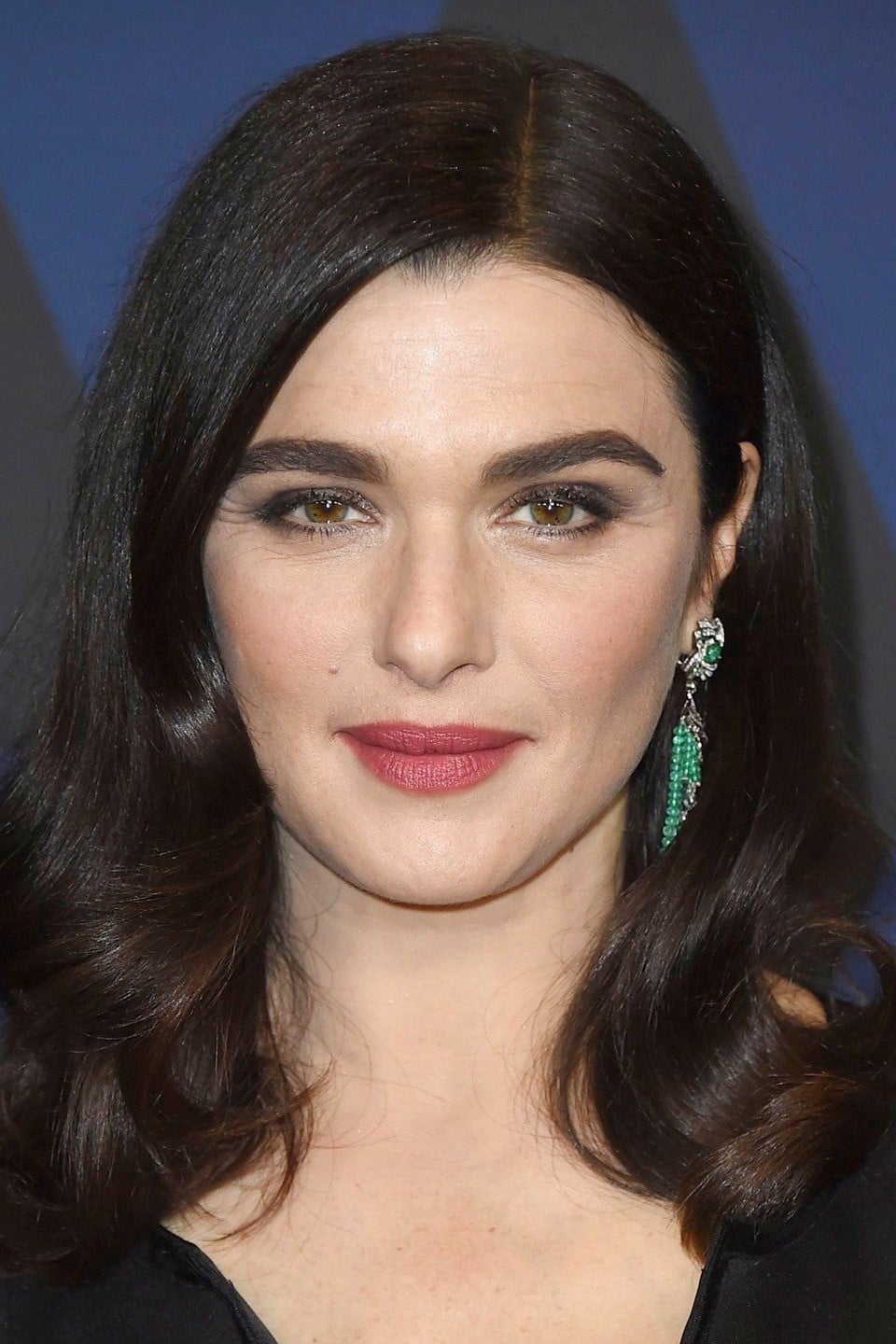
Olympe de Gouges
for Olympe de Gouges in The French Revolution
Suggested by monkey2

It is 1789 and France is beset by a number of problems. The treasury is empty and the country is facing bankruptcy. While the majority of the common people live in unimaginable poverty, the nobility and the clergy do not have to pay taxes and are living in luxury. In this situation, King Louis XVI decides to convene the Estates-General at Versailles. The negotiations go nowhere, so the Third Estate decides to invite the other Estates to join it, and a National Assembly is proclaimed. Some of the nobility and clergy do indeed join. All involved swear not to disperse until a constitution is drawn up. On July 9, 1789, this assembly declared itself the Constituent National Assembly. In this situation, King Louis XVI decides to send troops to Versailles. In protest against this move, the Parisians storm the royal armoury. Here they seize thousands of rifles and form a militia. Early in the morning of 14 July 1789, they attack the Bastille, a symbol of royal oppression. After a five-hour battle, they succeed in taking the prison. Thus begins the Great French Revolution, which changed Europe forever. An event that brought many progressive ideas, but also a bloody terror that eventually brought not only King Louis XVI to the guillotine, but also most of the leaders of the revolution itself. P.S., In my opinion, it would be best to treat this topic in the form of a historical miniseries on HBO MAX or Amazon Prime, for example.