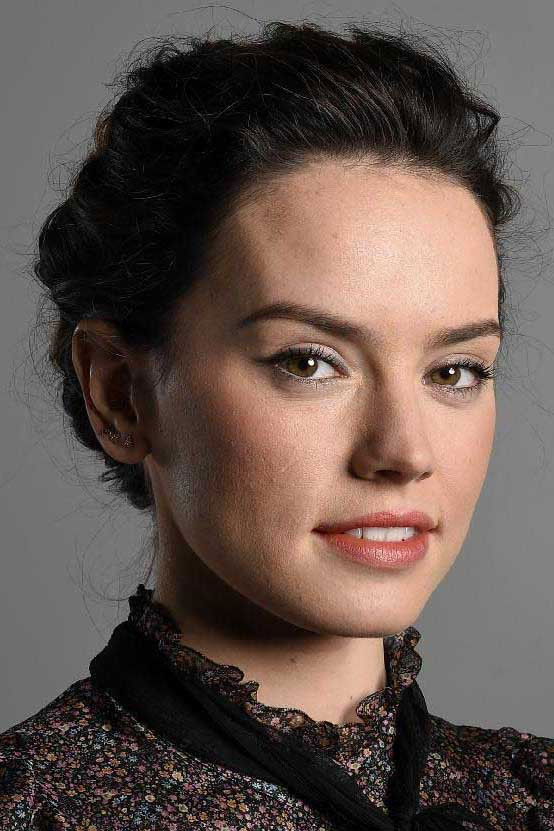
Age: 37
female
Lily Jane Collins (born 18 March 1989) is a British and American actress and model. Born in Guildford, Surrey and raised in Los Angeles, Collins began performing on screen at the age of two in the BBC sitcom Growing Pains. In the late 2000s, Collins began acting and modelling more regularly, and she had a career breakthrough with her performance in the sports-drama film The Blind Side, which was the third highest-grossing film of 2009. She went on to appear in leading roles across feature films such as the sci-fi action-horror Priest (2011), the psychological action-thriller Abduction (2011), the fantasy Mirror Mirror (2012), the urban fantasy The Mortal Instruments: City of Bones (2013), and the independent romantic comedies Stuck in Love (2012), The English Teacher (2013), and Love, Rosie (2014). Collins was critically acclaimed for her roles as Marla Mabrey in the comedy Rules Don't Apply (2016), which earned her a nomination for the Golden Globe Award for Best Actress – Motion Picture Musical or Comedy, and for her portrayal of a young adult with anorexia in the controversial Netflix drama To the Bone (2017). She has also achieved recognition for her work in biographical films: she starred as Liz Kendall in the Netflix drama Extremely Wicked, Shockingly Evil and Vile (2019), as J.R.R. Tolkien's wife Edith in Tolkien (2019), and as Rita Alexander in Mank (2020), the latter of which was a critical success, earning 10 Academy Award nominations. Collins played Fantine in the BBC miniseries adaptation of Les Misérables (2018–2019), and, since 2020, she has portrayed Emily Cooper in the Netflix series Emily in Paris. For the latter, she received a nomination for the Golden Globe Award for Best Actress – Television Series Musical or Comedy. She made her writing debut with Unfiltered: No Shame, No Regrets, Just Me (2017) in which she discussed her struggles with mental health, including an eating disorder she suffered as a teenager.
Lily Collins

Charlotte Corday
for Charlotte Corday in The French Revolution
Suggested by bluesky21

It is 1789 and France is beset by a number of problems. The treasury is empty and the country is facing bankruptcy. While the majority of the common people live in unimaginable poverty, the nobility and the clergy do not have to pay taxes and are living in luxury. In this situation, King Louis XVI decides to convene the Estates-General at Versailles. The negotiations go nowhere, so the Third Estate decides to invite the other Estates to join it, and a National Assembly is proclaimed. Some of the nobility and clergy do indeed join. All involved swear not to disperse until a constitution is drawn up. On July 9, 1789, this assembly declared itself the Constituent National Assembly. In this situation, King Louis XVI decides to send troops to Versailles. In protest against this move, the Parisians storm the royal armoury. Here they seize thousands of rifles and form a militia. Early in the morning of 14 July 1789, they attack the Bastille, a symbol of royal oppression. After a five-hour battle, they succeed in taking the prison. Thus begins the Great French Revolution, which changed Europe forever. An event that brought many progressive ideas, but also a bloody terror that eventually brought not only King Louis XVI to the guillotine, but also most of the leaders of the revolution itself. P.S., In my opinion, it would be best to treat this topic in the form of a historical miniseries on HBO MAX or Amazon Prime, for example.