
Age: 47
male
James McAvoy (born April 21, 1979) is a Scottish actor. He made his acting debut as a teen in The Near Room (1995) and appeared mostly on television until 2003, when his feature film career began. His notable television work includes the thriller State of Play, science fiction miniseries Frank Herbert's Children of Dune and the channel 4s BAFTA award-winning series Shameless (British TV series) He has performed in several West End productions and has received four nominations for the Laurence Olivier Award for Best Actor, and has also done voice work for animated films including Gnomeo & Juliet, its sequel Sherlock Gnomes, and Arthur Christmas. In 2003, McAvoy appeared in a lead role in Bollywood Queen, then in another lead role as Rory in Inside I'm Dancing in 2004. This was followed by a supporting role, as the faun Mr. Tumnus, in The Chronicles of Narnia: The Lion, the Witch and the Wardrobe (2005). His performance in Kevin Macdonald's drama The Last King of Scotland (2006) garnered him several award nominations, including the BAFTA Award for Best Supporting Actor. The critically acclaimed romantic drama war film Atonement (2007) earned him a Golden Globe Award nomination and his second BAFTA nomination. He later appeared as a newly trained assassin in the action thriller Wanted (2008). In 2011, McAvoy portrayed Professor Charles Xavier in the superhero film X-Men: First Class, a role he reprised in X-Men: Days of Future Past (2014), X-Men: Apocalypse (2016), Deadpool 2 (2018), and Dark Phoenix (2019). McAvoy starred in the crime comedy-drama film Filth (2013), for which he won Best Actor in the British Independent Film Awards. In 2016, he portrayed Kevin Wendell Crumb, a man with 23 alternate personalities, in M. Night Shyamalan's Split, for which he received critical acclaim, and later reprised the role for the sequel Glass (2019). Since 2019, he has portrayed Lord Asriel Belacqua in the BBC/HBO fantasy series His Dark Materials.
James McAvoy

Jacques Pierre Brissot
for Jacques Pierre Brissot in The French Revolution
Suggested by messikimpakala
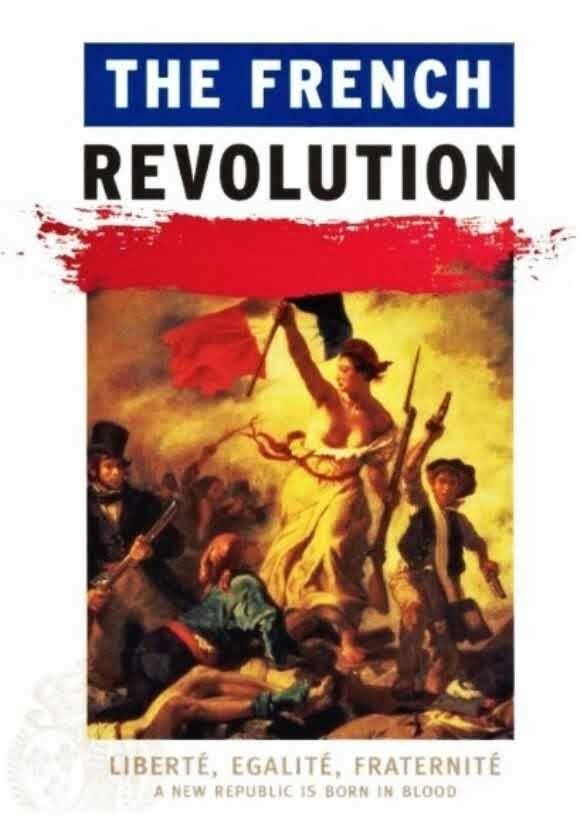
It is 1789 and France is beset by a number of problems. The treasury is empty and the country is facing bankruptcy. While the majority of the common people live in unimaginable poverty, the nobility and the clergy do not have to pay taxes and are living in luxury. In this situation, King Louis XVI decides to convene the Estates-General at Versailles. The negotiations go nowhere, so the Third Estate decides to invite the other Estates to join it, and a National Assembly is proclaimed. Some of the nobility and clergy do indeed join. All involved swear not to disperse until a constitution is drawn up. On July 9, 1789, this assembly declared itself the Constituent National Assembly. In this situation, King Louis XVI decides to send troops to Versailles. In protest against this move, the Parisians storm the royal armoury. Here they seize thousands of rifles and form a militia. Early in the morning of 14 July 1789, they attack the Bastille, a symbol of royal oppression. After a five-hour battle, they succeed in taking the prison. Thus begins the Great French Revolution, which changed Europe forever. An event that brought many progressive ideas, but also a bloody terror that eventually brought not only King Louis XVI to the guillotine, but also most of the leaders of the revolution itself.

