
Age: 38
male
Jesse Plemons (/ˈplɛmənz/; born April 2, 1988) is an American actor. He began his career as a child actor and achieved a breakthrough with his role as Landry Clarke in the NBC drama series Friday Night Lights (2006–2011). He subsequently portrayed Todd Alquist in season 5 of the AMC crime drama series Breaking Bad(2012–2013) and its sequel film El Camino: A Breaking Bad Movie (2019). He received his first Primetime Emmy Award nomination for his role as Ed Blumquist in season 2 of the FX anthology series Fargo (2015). He won a Critics' Choice Television Award. He received a second Emmy nomination for his performance in "USS Callister", an episode of the anthology series Black Mirror (2017). Plemons has acted in supporting roles in films such as The Master (2012), Bridge of Spies (2015), Game Night (2018), The Irishman (2019), Judas and the Black Messiah (2021) and Killers of the Flower Moon (2023). He starred in Other People (2016) and I'm Thinking of Ending Things (2020). For playing a rancher in The Power of the Dog (2021), he was nominated for the Academy Award for Best Supporting Actor, and for playing three roles in the anthology film Kinds of Kindness (2024), he won the Cannes Film Festival Award for Best Actor. Description above from the Wikipedia article Jesse Plemons, licensed under CC-BY-SA, full list of contributors on Wikipedia.
Jesse Plemons

Gail Wynand
for Gail Wynand in The Fountainhead
Suggested by adityanimmalapudi
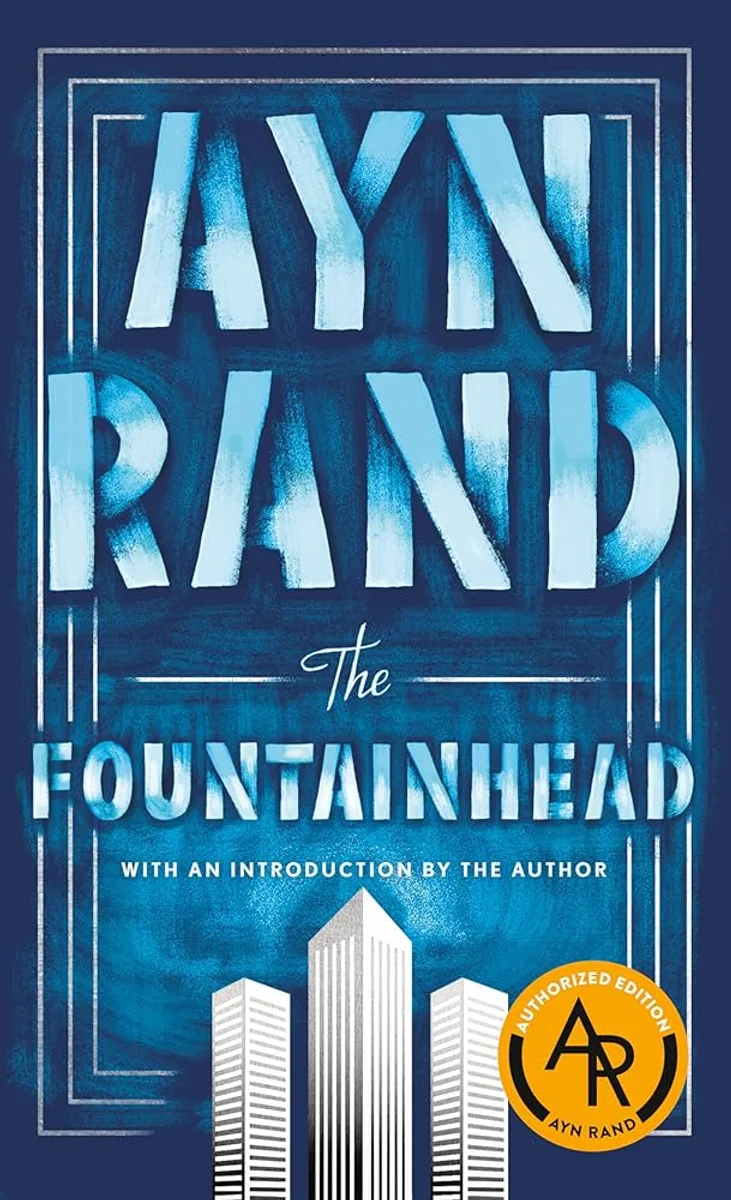
The Fountainhead follows Howard Roark, an idealistic and uncompromising architect who refuses to conform to conventional design principles or social expectations. Roark's unwavering commitment to his artistic vision puts him at odds with the architectural establishment, particularly the influential critic Ellsworth Toohey, who represents collectivist mediocrity. As Roark struggles to build his career on his own terms, he becomes entangled with Dominique Francon, a woman of wealth and beauty who is drawn to his integrity despite her own cynicism about the world. Their passionate and complex relationship unfolds against a backdrop of professional rivalry, betrayal, and moral compromise. The novel explores themes of individual achievement versus social conformity, the nature of genius, and the cost of maintaining one's principles in a world that demands compromise. Through Roark's journey from obscurity to vindication, Ayn Rand presents a philosophical argument for rational self-interest and the supremacy of individual will. The story culminates in a dramatic trial that forces society to confront the value of uncompromising excellence and the destructive nature of enforced mediocrity.