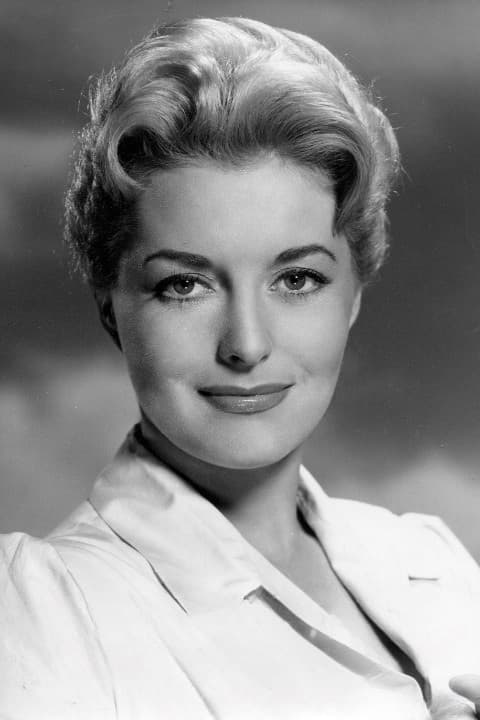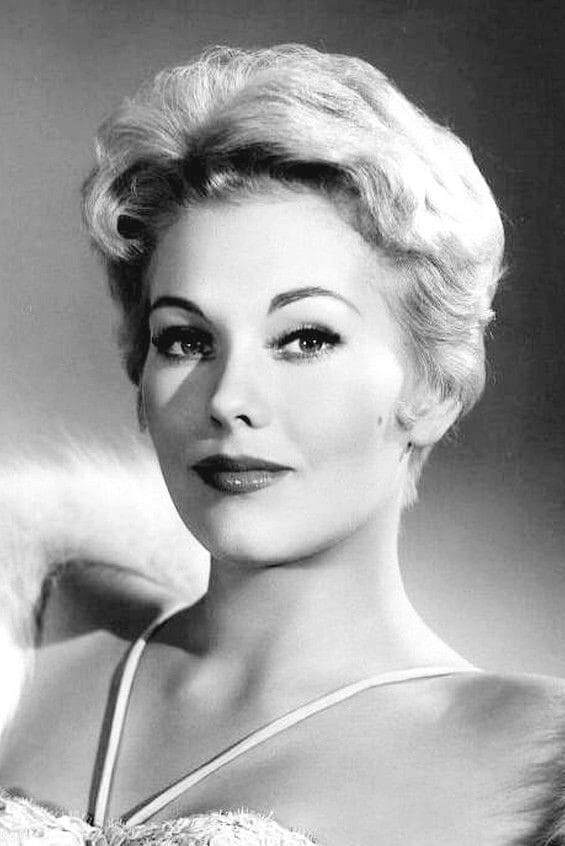
Age: 93
female
Marilyn Pauline Novak (born February 13, 1933), known professionally as Kim Novak, is an American retired film and television actress. She began her career in 1954 after signing with Columbia Pictures. There, she became a successful actress, starring in a string of movies, among them the critically acclaimed Picnic (1955). She later starred in such popular successes as The Man with the Golden Arm (1955) and Pal Joey (1957). However, she is perhaps best known today for her "dual role" as both Judy Barton and Madeleine Elster in Alfred Hitchcock's classic thriller Vertigo (1958). Novak was popular in box office popularity polls, and she starred opposite several top leading men of the era, including James Stewart, William Holden, Frank Sinatra, Tyrone Power, and Kirk Douglas. Although still young, her career declined in the early 1960s, and after several years in a series of lackluster films, she withdrew from acting in 1966. She has only sporadically returned since. She later returned to the screen in The Mirror Crack'd (1980), and had a regular role on the prime time series Falcon Crest (1986–87). After a disappointing experience during the filming of Liebestraum (1991), she has permanently retired from acting, stating she has no desire to return. Description above from the Wikipedia article Kim Novak, licensed under CC-BY-SA, full list of contributors on Wikipedia.
Kim Novak

Dominique Francon
for Dominique Francon in The Fountainhead (1957)
Suggested by leostales

Ayn Rand's The Fountainhead is the controversial epic about one man's unwavering individuality and the profound effect it has on both his friends and enemies. The novel was adapted in 1949 but fell short of its visionary source material. Constrained by a short runtime and 1940s social norms, many of the novel’s most compelling scenes and character arcs were drastically shortened or omitted entirely. While still a good film by conventional standards, it was nevertheless a disappointment to the author and many fans of the original novel. I believe The Fountainhead was adapted one decade too early. By the 1950s, Hollywood was beginning to challenge conventional filmmaking just as the novel’s protagonist challenged the norms of popular architecture. A decade where films could be pulpy yet deep, entertaining yet intellectually moving. In short, it was the perfect decade for a Fountainhead adaptation. This page envisions the film that could have been. Poster by DecoEchoes