Died at 125
male
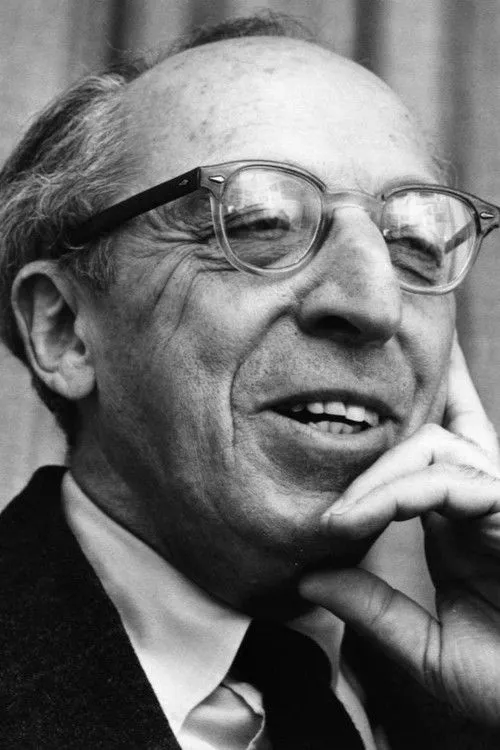
Aaron Copland (November 14, 1900 – December 2, 1990) was an American composer, composition teacher, writer, and later a conductor of his own and other American music. Copland was referred to by his peers and critics as "the Dean of American Composers". The open, slowly changing harmonies in much of his music are typical of what many people consider to be the sound of American music, evoking the vast American landscape and pioneer spirit. He is best known for the works he wrote in the 1930s and 1940s in a deliberately accessible style often referred to as "populist" and which the composer labeled his "vernacular" style. Works in this vein include the ballets Appalachian Spring, Billy the Kid and Rodeo, his Fanfare for the Common Man and Third Symphony. In addition to his ballets and orchestral works, he produced music in many other genres, including chamber music, vocal works, opera and film scores. Description above from the Wikipedia page Aaron Copland, licensed under CC-BY-SA, full list of contributors on Wikipedia.
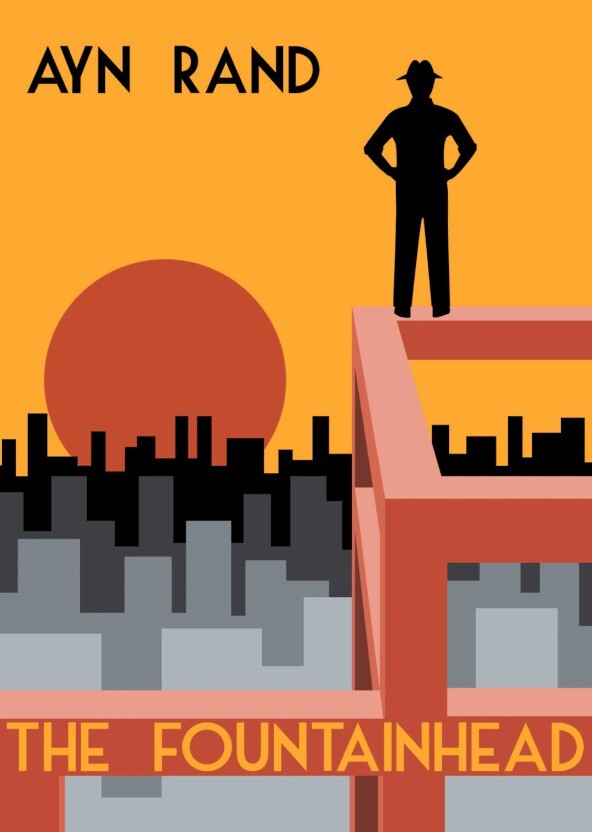
Ayn Rand's The Fountainhead is the controversial epic about one man's unwavering individuality and the profound effect it has on both his friends and enemies. The novel was adapted in 1949 but fell short of its visionary source material. Constrained by a short runtime and 1940s social norms, many of the novel’s most compelling scenes and character arcs were drastically shortened or omitted entirely. While still a good film by conventional standards, it was nevertheless a disappointment to the author and many fans of the original novel. I believe The Fountainhead was adapted one decade too early. By the 1950s, Hollywood was beginning to challenge conventional filmmaking just as the novel’s protagonist challenged the norms of popular architecture. A decade where films could be pulpy yet deep, entertaining yet intellectually moving. In short, it was the perfect decade for a Fountainhead adaptation. This page envisions the film that could have been. Poster by DecoEchoes


