
Age: 39
female
Cynthia Chinasaokwu Onyedinmanasu Amarachukwu Owezuke Echimino Erivo MBE(/əˈriːvoʊ/ ə-REE-voh; born 8 January 1987) is an British-American actress, singer, musician, and songwriter. Known for her work on both stage and screen, she is the recipient of several accolades and one of the few individuals nominated for an Emmy, a Grammy, an Oscar, and a Tony Award (EGOT), winning all but the Oscar. Erivo made her West End debut in the stage musical The Umbrellas of Cherbourg (2011), and her Broadway debut as Celie in the musical revival of The Color Purple (2015–2017). Erivo's work for The Color Purple won her the Tony Award for Best Actress in a Musical and Grammy Award for Best Musical Theater Album, as well as a Daytime Emmy Award. She expanded to films in 2018 with the crime thrillers Widows and Bad Times at the El Royale. Erivo earned nominations for the Academy Award for Best Actress for portraying Harriet Tubman in Harriet (2019) and Elphaba in Wicked (2024), as well as a nomination for Best Original Song for the song "Stand Up" from the former. For reprising her role as Elphaba in Wicked: For Good (2025), she became the first black actress to be nominated twice for Best Actress in a Motion Picture – Musical or Comedy at the Golden Globe Awards. On television, Erivo portrayed Holly Gibney in the HBO crime drama miniseries The Outsider (2020) and Aretha Franklin in National Geographic's anthology series Genius: Aretha (2021); the latter earned her a nomination for the Primetime Emmy Award for Outstanding Lead Actress in a Limited or Anthology Series or Movie. As a singer, she has released singles and two solo albums in 2021 and 2025. Description above from the Wikipedia article Cynthia Erivo, licensed under CC-BY-SA, full list of contributors on Wikipedia.
Cynthia Erivo

Opal Robinson
for Opal Robinson in The Final Revival of Opal and Nev
Suggested by kamsismith
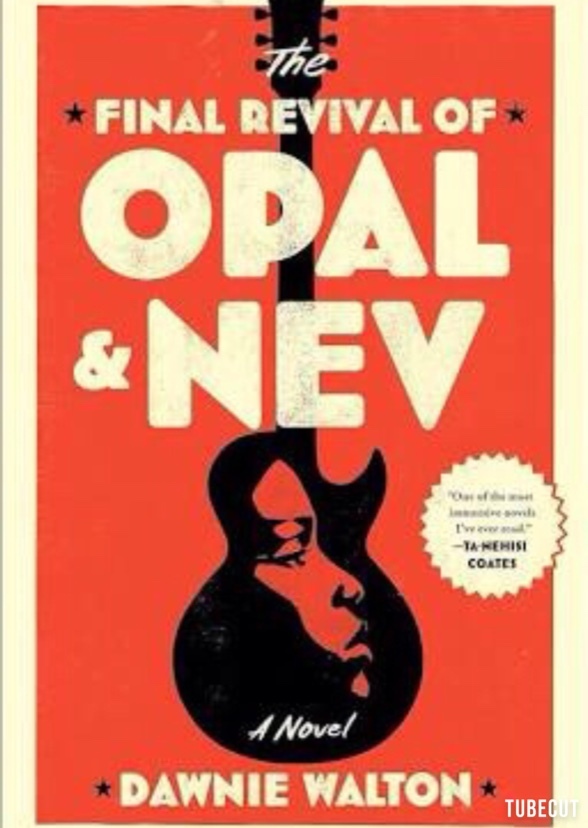
Opal is a fiercely independent young woman pushing against the grain in her style and attitude, Afro-punk before that term existed. Coming of age in Detroit, she can’t imagine settling for a 9-to-5 job—despite her unusual looks, Opal believes she can be a star. So when the aspiring British singer/songwriter Neville Charles discovers her at a bar’s amateur night, she takes him up on his offer to make rock music together for the fledgling Rivington Records. In early seventies New York City, just as she’s finding her niche as part of a flamboyant and funky creative scene, a rival band signed to her label brandishes a Confederate flag at a promotional concert. Opal’s bold protest and the violence that ensues set off a chain of events that will not only change the lives of those she loves, but also be a deadly reminder that repercussions are always harsher for women, especially black women, who dare to speak their truth. Decades later, as Opal considers a 2016 reunion with Nev, music journalist S. Sunny Shelton seizes the chance to curate an oral history about her idols. Sunny thought she knew most of the stories leading up to the cult duo’s most politicized chapter. But as her interviews dig deeper, a nasty new allegation from an unexpected source threatens to blow up everything.




