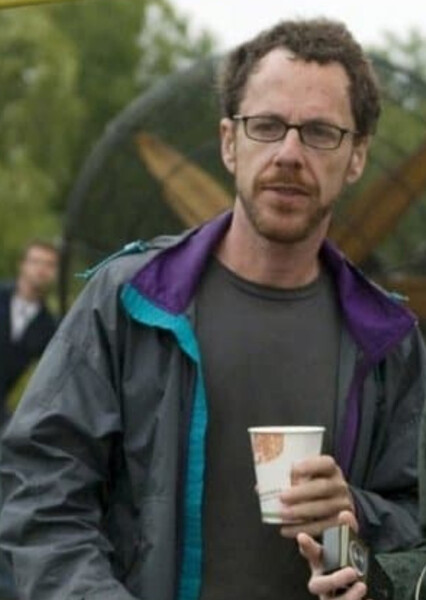
Age: 68
male
Ethan Jesse Coen (born September 21, 1957) is an American filmmaker, working with his brother, Joel Coen, together known as the Coen brothers(/ˈkoʊən/). Their films span many genres and styles, which they frequently subvert or parody. Among their most acclaimed works are Blood Simple (1984), Raising Arizona (1987), Miller's Crossing (1990), Barton Fink (1991), Fargo (1996), The Big Lebowski (1998), O Brother, Where Art Thou? (2000), No Country for Old Men (2007), A Serious Man (2009), True Grit (2010) and Inside Llewyn Davis (2013). The brothers generally write, direct and produce their films jointly. However, due to regulations, Joel received sole directing credit while Ethan received sole production credit until The Ladykillers (2004). From then on, they would be credited as directors and producers and shared editing credits under the alias Roderick Jaynes. The duo started directing separately in the 2020s, resulting in Joel's The Tragedy of Macbeth (2021), Ethan's Jerry Lee Lewis: Trouble in Mind (2022) and Drive-Away Dolls (2024). Together, they have been nominated for 13 Academy Awards and one individual nomination. They share Best Original Screenplay for Fargo and Best Picture, Best Director and Best Adapted Screenplay for No Country for Old Men. They won the Palme d'Or for Barton Fink at the 1991 Cannes Film Festival. The Coens have written films for other directors, including Sam Raimi's Crimewave (1985), Angelina Jolie's World War II biopic Unbroken (2014) and Steven Spielberg's Cold War drama Bridge of Spies (2015). They produced Terry Zwigoff's Bad Santa (2003) and John Turturro's Romance and Cigarettes (2005). Ethan is also a writer of short stories, theatre and poetry. They are known for their distinctive stylistic trademarks, including genre hybridity. No Country for Old Men, A Serious Man and Inside Llewyn Davis was included in the BBC's 2016 poll of the greatest motion pictures since 2000. In 1998, the American Film Institute (AFI) ranked Fargo among the 100 greatest American movies. Richard Corliss wrote of the Coens: "Dexterously flipping and reheating old movie genres like so many pancakes, they serve them up fresh, not with syrup but with a coating of comic arsenic." Description above from the Wikipedia article Coen brothers, licensed under CC-BY-SA, full list of contributors on Wikipedia.
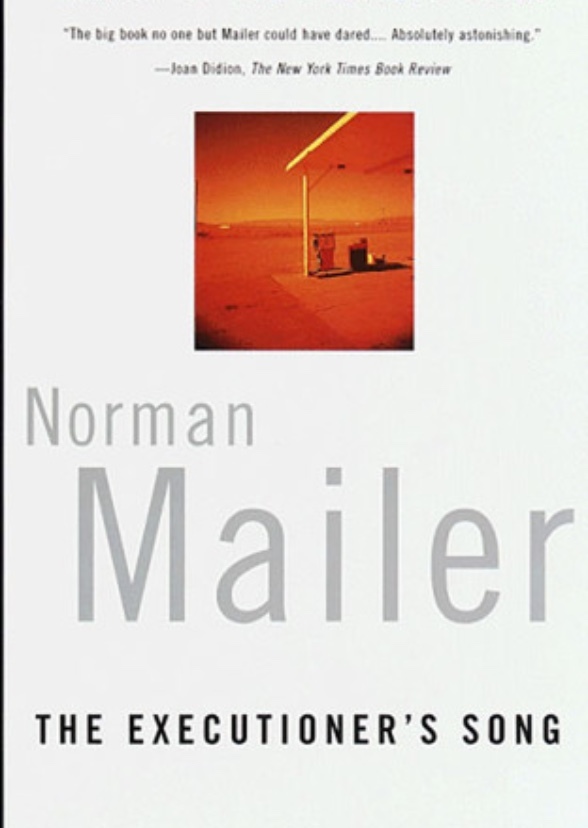
In what is arguably his greatest work, America's most heroically ambitious writer follows the short, blighted career of Gary Gilmore, an intractably violent product of America's prisons who became notorious for two reasons: first, for robbing two men in 1976, then killing them in cold blood; and, second, after being tried and convicted, for insisting on dying for his crime. To do so, he had to fight a system that seemed paradoxically intent on keeping him alive long after it had sentenced him to death. Norman Mailer tells Gilmore's story--and those of the men and women caught up in his procession toward the firing squad--with implacable authority, steely compassion, and a restraint that evokes the parched landscapes and stern theology of Gilmore's Utah. The Executioner's Song is a trip down the wrong side of the tracks to the deepest sources of American loneliness and violence. It is a towering achievement--impossible to put down, impossible to forget.