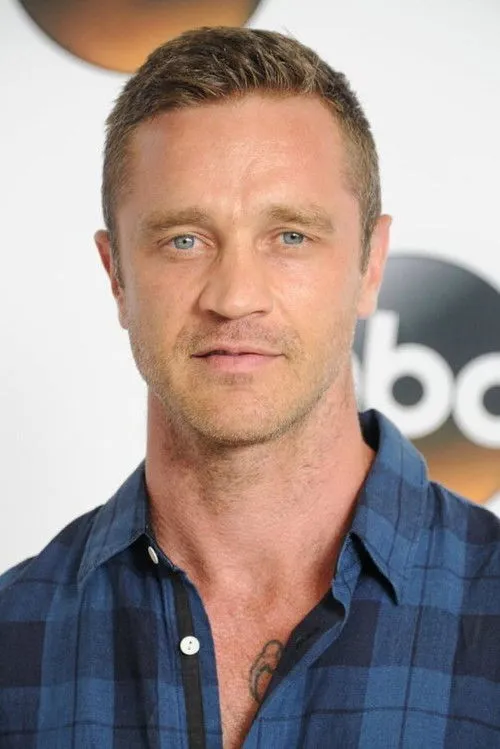
Age: 47
male
Benjamin Joseph Manaly Novak (born July 31, 1979) is an American actor, comedian, screenwriter, author, and producer. He gained traction as a comedian during the early 2000s before becoming a field agent for the MTV reality prank show Punk'd (2003). Novak had his breakout with a leading role as Ryan Howard on seasons 1–8 of the NBC mockumentary sitcom The Office (2005–2013). His acting, writing and producing for the show earned him two Screen Actors Guild Awards and a Writers Guild of America Award, alongside five nominations for the Primetime Emmy Award for Outstanding Comedy Series. In the late 2000s, Novak had supporting roles in the films Reign Over Me (2007) and Inglourious Basterds (2009). In the 2010s, he portrayed musician Robert B. Sherman in Saving Mr. Banks (2013) and Marvel Comics character Alistair Smythe in The Amazing Spider-Man 2 (2014). He had a starring role as Harry J. Sonneborn in the biographical film The Founder (2016) and voiced Baker Smurf in The Smurfs (2011) and The Smurfs 2 (2013). In television, he had a recurring role as Lucas Pruit on the HBO series The Newsroom (2014). In the 2020s, Novak made his film directorial debut with Vengeance (2022), which he also produced and starred in. He created and wrote the FX on Hulu anthology series The Premise (2021). In addition to his film and television career, Novak authored the books One More Thing: Stories and Other Stories (2014) and The Book with No Pictures (2014). Description above from the Wikipedia article B.J. Novak, licensed under CC-BY-SA, full list of contributors on Wikipedia.
In their complaint, Universal Studios alleged that Nintendo's video game Donkey Kong was a trademark infringement of King Kong, the plot and characters of which Universal claimed as their own. Nintendo argued that Universal had themselves proven that King Kong's plot and characters were in the public domain in Universal City Studios, Inc. v. RKO General, Inc. Sweet ruled that Universal had acted in bad faith by threatening Nintendo's licensees and that it had no right over the name King Kong or the characters and story. He further held that there was no possibility for consumers to confuse Nintendo's game and characters with the King Kong films and their characters. Universal appealed the case, but the verdict was upheld. The case was a major victory for Nintendo, which was still a newcomer to the U.S. market. The case established Nintendo as a major player in the industry and arguably gave the company the confidence that it could compete with the giants of American media.