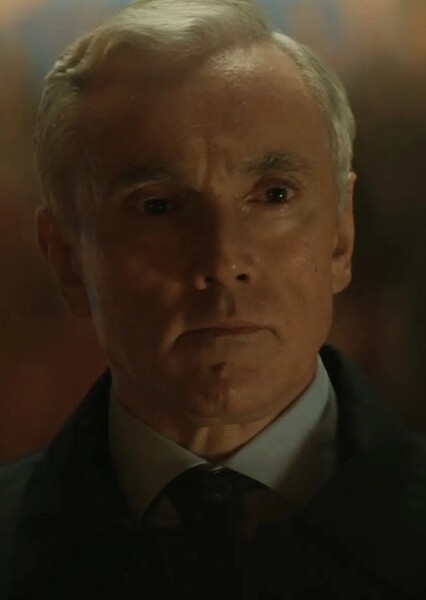
Age: 57
male
Edward Harrison Norton (born August 18, 1969) is an American actor and filmmaker. After graduating from Yale College in 1991 with a degree in history, he worked for a few months in Japan before moving to New York City to pursue an acting career. He gained recognition and critical acclaim for his debut in Primal Fear (1996), which earned him a Golden Globe for Best Supporting Actor and an Academy Award nomination in the same category. His role as a redeemed neo-Nazi in American History X (1998) earned him an Academy Award nomination for Best Actor. He also starred in the film Fight Club (1999), which garnered a cult following. Norton established the production company Class 5 Films in 2003, and was director or producer of the films Keeping the Faith (2000), Down in the Valley (2005), and The Painted Veil (2006). He continued to receive praise for his acting roles in films such as The Score (2001), 25th Hour (2002), The Italian Job (2003), The Illusionist (2006), Moonrise Kingdom (2012), and The Grand Budapest Hotel (2014). His biggest commercial successes have been Red Dragon (2002), Kingdom of Heaven (2005), The Incredible Hulk (2008), and The Bourne Legacy (2012). For his roles as a haughty actor in Birdman (2014) and Pete Seeger in A Complete Unknown (2024), Norton earned further Academy Award nominations for Best Supporting Actor. He has also directed and acted in the crime film Motherless Brooklyn (2019) and starred in Glass Onion: A Knives Out Mystery (2022). Norton is an environmental activist and social entrepreneur. He is a trustee of Enterprise Community Partners, a non-profit organization that advocates for affordable housing, and serves as president of the American branch of the Maasai Wilderness Conservation Trust. He is also the UN Goodwill Ambassador for Biodiversity.
Edward Norton

Howard Lincoln
for Howard Lincoln in The Earth Goes Ape
Suggested by alanstudios
In their complaint, Universal Studios alleged that Nintendo's video game Donkey Kong was a trademark infringement of King Kong, the plot and characters of which Universal claimed as their own. Nintendo argued that Universal had themselves proven that King Kong's plot and characters were in the public domain in Universal City Studios, Inc. v. RKO General, Inc. Sweet ruled that Universal had acted in bad faith by threatening Nintendo's licensees and that it had no right over the name King Kong or the characters and story. He further held that there was no possibility for consumers to confuse Nintendo's game and characters with the King Kong films and their characters. Universal appealed the case, but the verdict was upheld. The case was a major victory for Nintendo, which was still a newcomer to the U.S. market. The case established Nintendo as a major player in the industry and arguably gave the company the confidence that it could compete with the giants of American media.