
Died at 80
female
Diane Hall Keaton (born Diane Hall; January 5, 1946 – October 11, 2025) was an American actress, director and producer. Known for her idiosyncratic personality and fashion style, she received various accolades throughout her career spanning over six decades, including an Academy Award, a British Academy Film Award, two Golden Globe Awards, and the AFI Life Achievement Award. Keaton began her career on stage appearing in the original 1968 Broadway production of the musical Hair. The next year, she received a Tony Award for Best Featured Actress in a Play nomination for her performance in Woody Allen's comic play Play it Again, Sam. She then made her screen debut in a small role in Lovers and Other Strangers (1970). She rose to prominence with her first major film role as Kay Adams-Corleone in Francis Ford Coppola's The Godfather (1972), a role she reprised in its sequels The Godfather Part II (1974) and The Godfather Part III (1990). The films that most shaped her career were those with director and co-star Woody Allen, beginning with the film adaptation of Play It Again, Sam (1972). Her next two films with Allen, Sleeper (1973) and Love and Death (1975), established her as a comic actor. Her fourth, the romantic comedy Annie Hall (1977), won her the Academy Award for Best Actress. To avoid being typecast as her Annie Hall persona, she appeared in several dramatic films, starring in Looking for Mr. Goodbar (1977) and Allen's Interiors (1978), and received three more Academy Award nominations for playing feminist activist Louise Bryant in Reds (1981), a woman with leukemia in Marvin's Room (1996), and a dramatist in Something's Gotta Give (2003). Her other popular films include Manhattan (1979), Baby Boom (1987), Father of the Bride (1991), Manhattan Murder Mystery (1993), Father of the Bride Part II (1995), The First Wives Club (1996), The Family Stone (2005), Morning Glory (2010), Finding Dory (2016) and Book Club (2018).
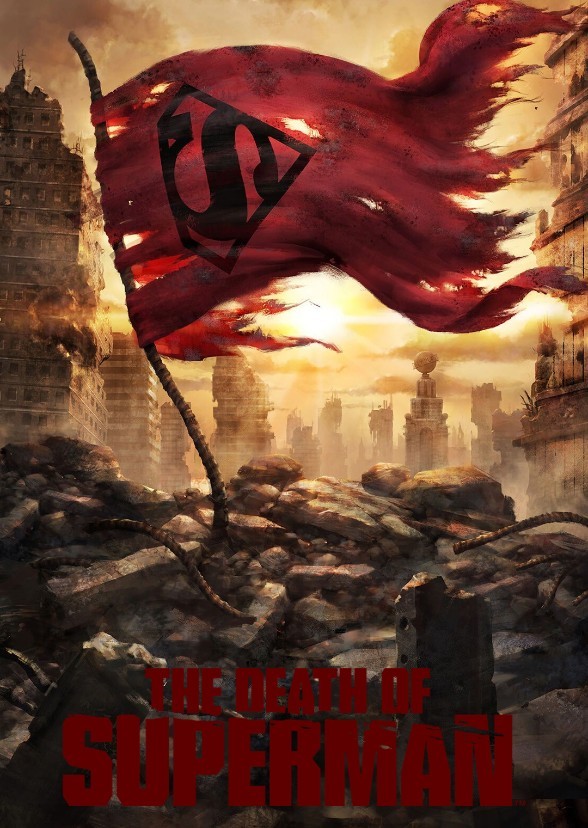
Lex Luthor llega a Metrópolis, un multimillonario que se dedica a la tecnología y la investigación científica. Desde el principio, Luthor muestra una antipatía hacia Superman y se dedica a hacerle la vida imposible a Clark Kent, por lo que comienza a hacer campañas en contra de Superman en el Daily Planet, lo que lleva al periódico a la bancarrota. Luthor, aprovechando la caída del periódico, compra el Daily Planet y lo utiliza como medio de difusión para sus intereses. Además, conquista a Lois Lane, la compañera de trabajo y enamorada de Clark. Para destruir a Superman, Luthor contrata a Bloodsport, un asesino a sueldo que utiliza balas de kryptonita para debilitar al Hombre de Acero. Sin embargo, Bloodsport no es suficiente para matar a Superman, por lo que Luthor decide crear a Doomsday, una criatura monstruosa capaz de derrotar al Hombre de Acero. Mientras tanto, aparece por primera vez Superboy, un clon creado por Luthor, que se une a Superman y Supergirl para luchar contra Doomsday. La lucha es épica y muy intensa, pero en última instancia, Superman logra derrotar a Doomsday a costa de su propia vida. A pesar de que la madre adoptiva de Superman, Martha Kent, logra superar su batalla contra el cáncer, el sacrificio del Hombre de Acero conmociona a la ciudad y al mundo entero. La película concluye con la gente de Metrópolis honrando la memoria de Superman, y con la esperanza de que su legado de valentía y sacrificio inspire a futuras generaciones.


