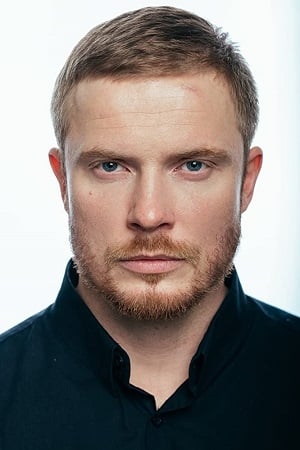
Age: 40
male
Grigoriy Eduardovich Dobrygin (Russian: Григо́рий Эдуа́рдович Добры́гин; born February 17, 1986) is a Russian film and theatre actor, director and producer. He studied at a school in Zelenograd, Moscow Oblast. He graduated from the Moscow State Academy of Choreography in the Bolshoi Theatre. In 2010, he graduated from the Russian Academy of Theatre Arts. His first movies were Black Lightning (2009) and How I Ended This Summer (2010), which got him worldwide recognition. His first English-language movie was A Most Wanted Man (2014), in which he co-starred with Philip Seymour Hoffman and Rachel McAdams.
Grigoriy Dobrygin

Schwartz
for Schwartz in The Death of Ivan Ilyich
Suggested by sepanta_kazemi
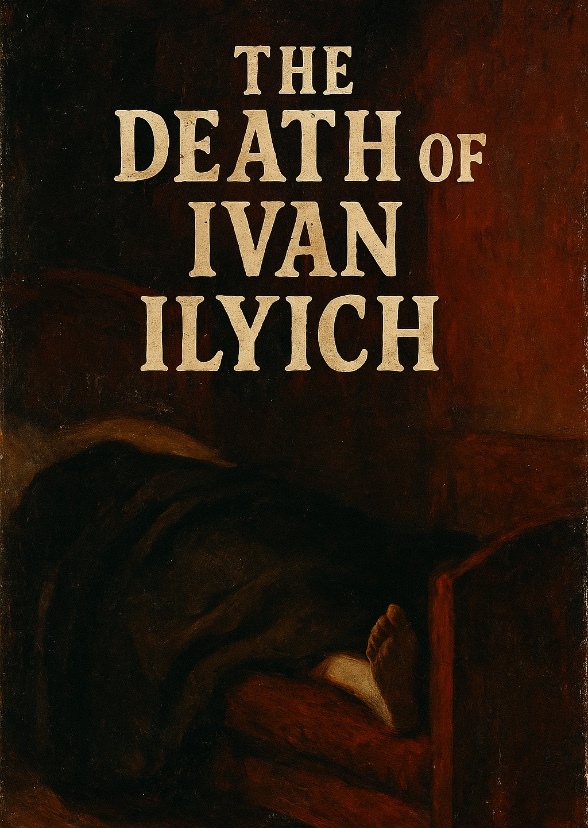
Ivan Ilyich, a respected high-court judge in Imperial Russia, has built his life on comfort, routine, and social approval. His elegant home, carefully managed marriage, and rising career all seem to confirm that he has achieved the life every man should want. But when a sudden, mysterious pain begins to spread through his body, Ivan’s perfectly constructed world starts to unravel. What begins as an inconvenience slowly becomes a relentless illness—one that no doctor can explain and no medicine can ease. Confined to his bed, Ivan watches the people around him reveal their true selves. His colleagues treat his suffering as an inconvenience. His wife and daughter grow distant behind polite formalities. And the rituals of society, once so reassuring, now feel empty and cruelly indifferent. Only Gerasim, a young servant, shows him genuine kindness—a simple, human compassion Ivan has never truly known. As his illness worsens, Ivan is forced to confront the life he lived: the choices he made, the ambitions he chased, and the love he never allowed himself to give or receive. In the final days of his life, Ivan faces a truth more terrifying than death itself—the possibility that he has not really lived at all. A stark, intimate psychological drama, The Death of Ivan Ilyich explores the fear of dying, the illusion of status, and the discovery of meaning at the edge of life—where one man’s suffering becomes his path toward clarity, forgiveness, and ultimately, peace.