
Age: 82
male
From Wikipedia, the free encyclopedia. Bonsile John Kani (born 1943) is a South African actor, director and playwright. He was born in New Brighton, South Africa. Kani joined The Serpent Players (a group of actors whose first performance was in the former snake pit of the zoo, hence the name) in Port Elizabeth in 1965 and helped to create many plays that went unpublished but were performed to a resounding reception. These were followed by the more famous Sizwe Banzi is Dead and The Island, co-written with Athol Fugard and Winston Ntshona, in the early 1970s. He also received an Olivier nomination for his role in My Children My Africa! Kani's work has been widely performed around the world, including New York, where he and Winston Ntshona won a Tony Award in 1975 for Sizwe Banzi Is Dead and The Island. These two plays were presented in repertory at the Edison Theatre for a total of 52 performances. Nothing but the Truth (2002) was his debut as sole playwright and was first performed in the Market Theatre in Johannesburg. This play takes place in post-apartheid South Africa and does not concern the conflicts between whites and blacks, but the rift between blacks who stayed in South Africa to fight apartheid, and those who left only to return when the hated regime folded. It won the 2003 Fleur du Cap Awards for best actor and best new South African play. In the same year he was also awarded a special Obie award for his extraordinary contribution to theatre in the USA. Kani is executive trustee of the Market Theatre Foundation, founder and director of the Market Theatre Laboratory and chairman of the National Arts Council of SA. Description above from the Wikipedia article John Kani, licensed under CC-BY-SA, full list of contributors on Wikipedia.
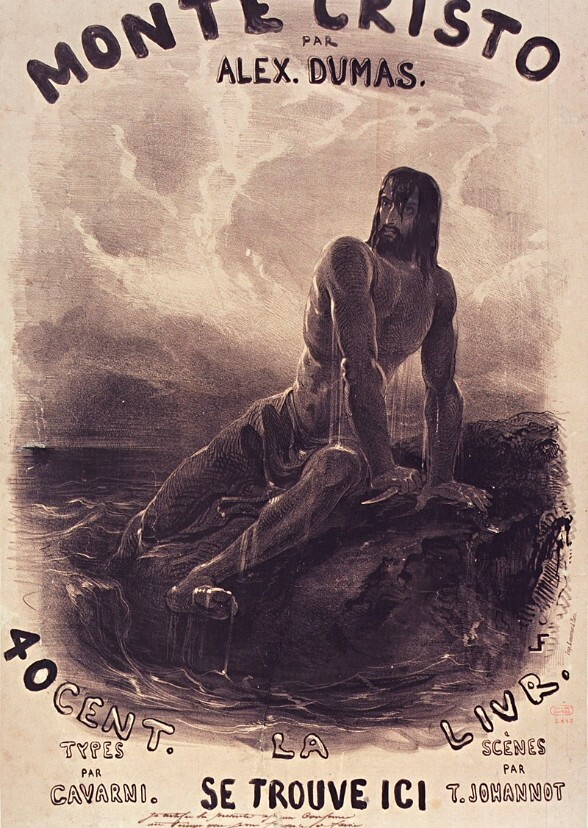
The story takes place in France, Italy, and islands in the Mediterranean during the historical events of 1815–1839: the era of the Bourbon Restoration through the reign of Louis-Philippe of France. It begins on the day that Napoleon left his first island of exile, Elba, beginning the Hundred Days period of his return to power. The historical setting is a fundamental element of the book, an adventure story centrally concerned with themes of hope, justice, vengeance, mercy, and forgiveness. Before he can marry his fiancée Mercédès, Edmond Dantès, a French nineteen-year-old first mate of the merchant ship Pharaon, is falsely accused of treason, arrested, and imprisoned without trial in the Château d'If, a grim island fortress off Marseille. A fellow prisoner, Abbé Faria, correctly deduces that romantic rival Fernand Mondego, envious crewmate Danglars, and double-dealing magistrate De Villefort are responsible for his imprisonment. Over the course of their long imprisonment, Faria educates Dantès and, knowing himself close to death, inspires him to retrieve for himself a cache of treasure Faria had discovered. After Faria dies, Dantès escapes and finds the treasure. As the fabulously wealthy, powerful and mysterious Count of Monte Cristo, he enters the fashionable Parisian world of the 1830s to avenge himself.


