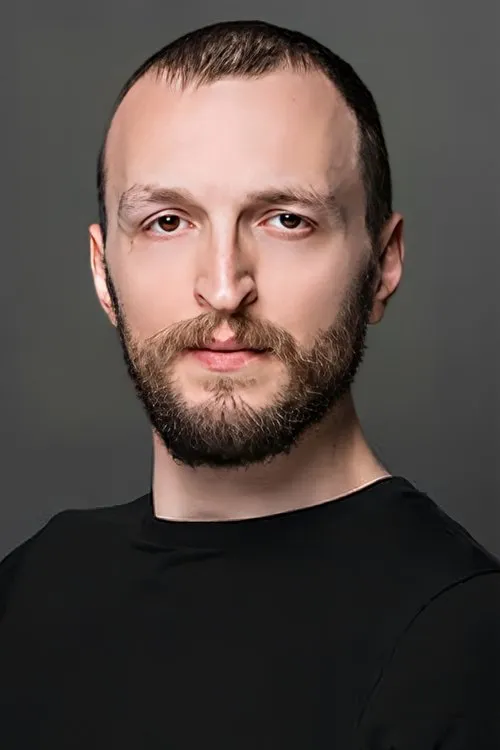
Age: 32
male
Cem Yiğit Üzümoğlu is a Turkish theatre, TV and cinema artist. He graduated from Hacettepe University Ankara State Conservatory Acting Department. He studied physical theatre and modern dance in India and Poland. He took part in many theatre plays. In April 2017, he was awarded the "Most Successful Young Generation Artist of the Year Award" with "Troas" at the 21st Afife Theatre Awards. The young actor took part in the plays "Troas" and "Kalp" in 2018. In 2019, he is acting in the play "Evlat" directed by Ibrahim Çiçek. His first role on television was the role of "Hakan Sahin" in the series Adi Efsane, which was broadcast on Kanal D in 2017. The series lasted 29 episodes. Uzumoglu was highly appreciated for his performance in the series. In 2018, he played the character of "Emir" in Netflix's first Turkish original series Hakan: Muhafiz. In 2020, Netflix original series Rise of Empires: Ottoman series as the lead role. In the documentary / series type project about the Conquest of Istanbul, Uzumoglu took part as "Fatih Sultan Mehmed". In 2021, he starred as the lead role in the Netflix original film Kin. He played the character of "Emre / Tuncay Kökdemir" in the film. In 2023, he opened his first photography exhibition titled "Loners In Wilderness" at Bina / Bant Mag. He opened his first photography exhibition titled "Loners In Wilderness" in 2023 at Bina / Bant Mag. The exhibition includes 46 black and white photographs selected among nearly 2000 photographs taken with an analogue camera. Imdb mini bio by: yusufpiskin
Cem Yiğit Üzümoğlu

Mehmed The Conquerer
for Mehmed The Conquerer in The Conquerer
Suggested by 24601
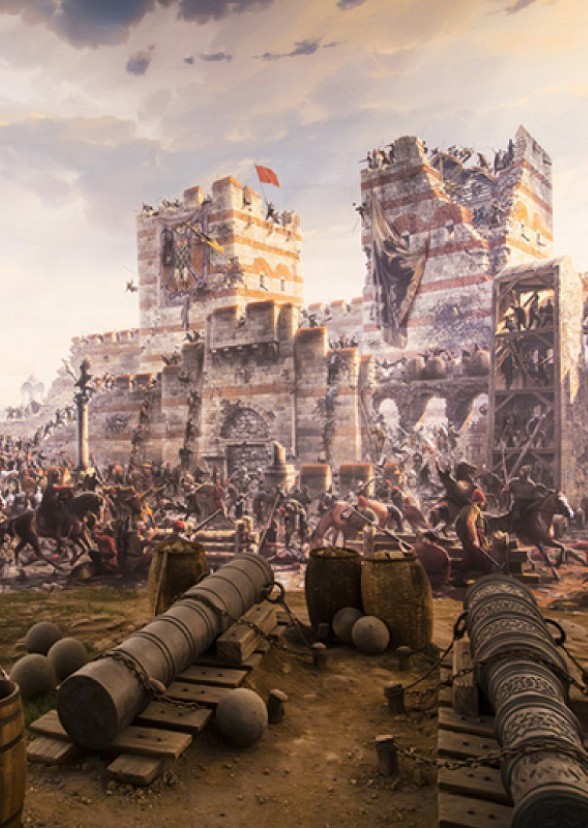
At the age of 21, he conquered Constantinople (modern-day Istanbul) and brought an end to the Byzantine Empire. After the conquest Mehmed claimed the title "Caesar" of the Roman Empire (Qayser-i Rûm), based on the assertion that Constantinople had been the seat and capital of the Roman Empire. The claim was only recognized by the Eastern Orthodox Church. Mehmed continued his conquests in Anatolia with its reunification and in Southeast Europe as far west as Bosnia. At home he made many political and social reforms, encouraged the arts and sciences, and by the end of his reign, his rebuilding program had changed the city into a thriving imperial capital. He is considered a hero in modern-day Turkey and parts of the wider Muslim world. Among other things, Istanbul's Fatih district, Fatih Sultan Mehmet Bridge and Fatih Mosque are named after him.