Died at 90
male
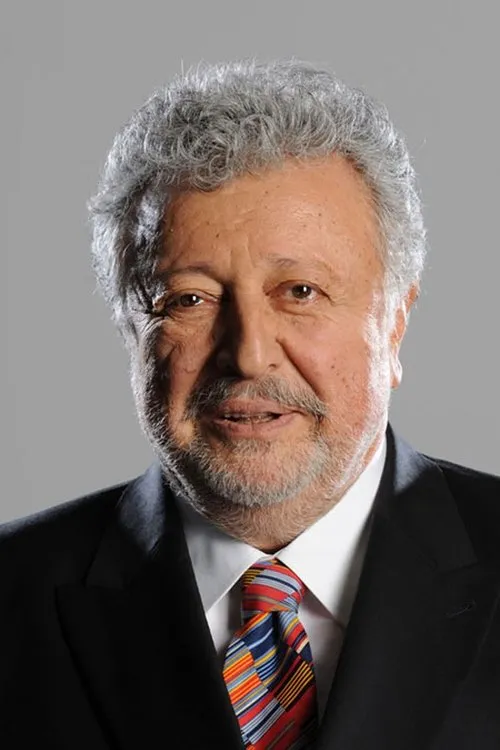
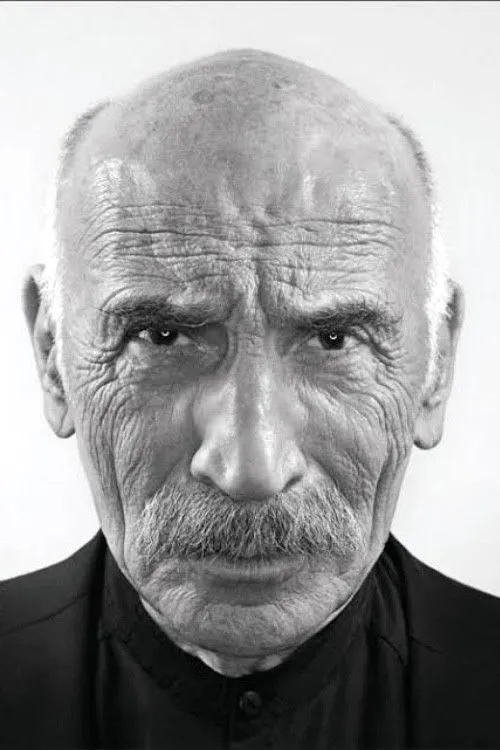
Tuncel Tayanç Kurtiz (1 February 1936 – 27 September 2013) was a Turkish theatre, movie and TV series actor, playwright, and film director Since 1964, he acted in more than 70 movies, including many international productions. Since 1958, Kurtiz performed on many stages in Istanbul, in state and private theatres. He was also on the stage at Gothenburg City Theatre, Stockholm Royal Theatre and Swedish Theatre in Sweden, Schaubühne Berlin, Frankfurt City Theatre and Hamburg City Theatre in Germany and at Peter Brook Shakespeare Royal Theatre in England. Kurtiz directed plays for the German-Turkish theatre project "Türkisches Ensemble" in the late 1970s. During his university years and later the military service period, he became friends with the renowned film director Yılmaz Güney. They made a number of films together. Their 1970 film Umut was prohibited to leave Turkey, but was shown in Cannes Film Festival by a smuggled copy. His first film role was in Şeytanın Uşakları, shot in 1964. Since then, Tuncel Kurtiz played also in many international productions like Swedish, German, Dutch, Italian, French, British, Israel and Indian films and TV series, mostly in the original language.
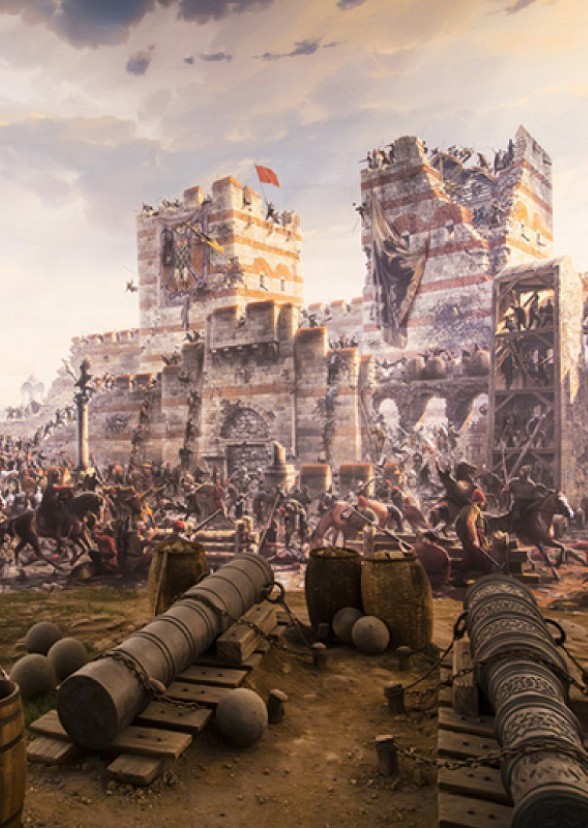
At the age of 21, he conquered Constantinople (modern-day Istanbul) and brought an end to the Byzantine Empire. After the conquest Mehmed claimed the title "Caesar" of the Roman Empire (Qayser-i Rûm), based on the assertion that Constantinople had been the seat and capital of the Roman Empire. The claim was only recognized by the Eastern Orthodox Church. Mehmed continued his conquests in Anatolia with its reunification and in Southeast Europe as far west as Bosnia. At home he made many political and social reforms, encouraged the arts and sciences, and by the end of his reign, his rebuilding program had changed the city into a thriving imperial capital. He is considered a hero in modern-day Turkey and parts of the wider Muslim world. Among other things, Istanbul's Fatih district, Fatih Sultan Mehmet Bridge and Fatih Mosque are named after him.