Age: 87
male
Christopher Allen Lloyd (born October 22, 1938) is an American actor. He has appeared in many theater productions, films, and on television since the 1960s. He is known for portraying Dr. Emmett "Doc" Brown in the Back to the Future trilogy (1985–1990) and Jim Ignatowski in the comedy series Taxi (1978–1983), for which he won two Emmy Awards. Lloyd came to public attention in Northeastern theater productions during the 1960s and early 1970s, earning Drama Desk and Obie awards for his work. He made his cinematic debut in One Flew Over the Cuckoo's Nest (1975) and went on to star as Commander Kruge in Star Trek III: The Search for Spock (1984), Professor Plum in Clue (1985), Judge Doom in Who Framed Roger Rabbit (1988), Uncle Fester in The Addams Family (1991) and its sequel Addams Family Values (1993), Switchblade Sam in Dennis the Menace (1993), Mr. Goodman in Piranha 3D (2010), Bill Crowley in I Am Not a Serial Killer (2016) and David Mansell in Nobody (2021). He earned a third Emmy for his 1992 guest appearance as Alistair Dimple in Road to Avonlea (1992), and won an Independent Spirit Award for his performance in Twenty Bucks (1993). He has done extensive voice work, including Merlock in DuckTales the Movie: Treasure of the Lost Lamp (1990), Grigori Rasputin in Anastasia (1997), the Hacker in the PBS Kids series Cyberchase (2002–present), which earned him Daytime Emmy nominations, and the Woodsman in the Cartoon Network miniseries Over the Garden Wall (2014).
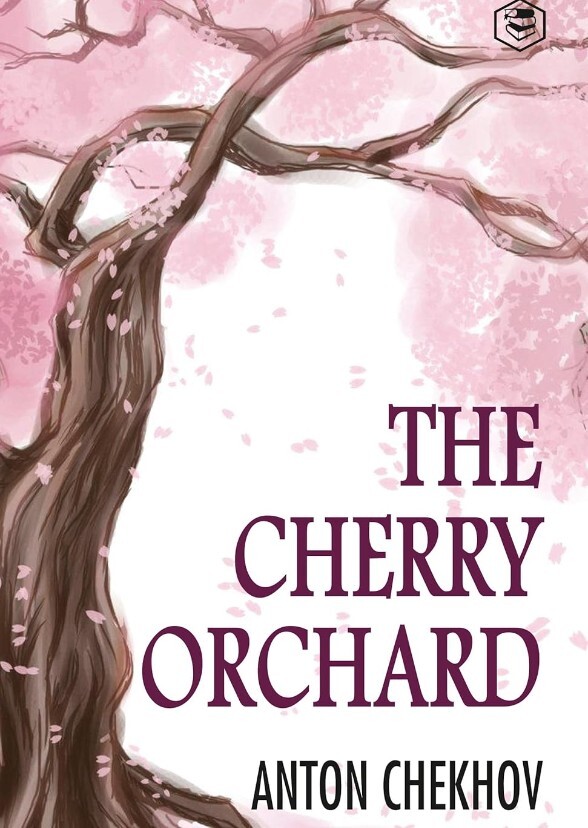
The Cherry Orchard is the last play by the Russian playwright Anton Chekhov. Chekhov described the play as a comedy, with some elements of farce, though Stanislavski treated it as a tragedy. The play revolves around an aristocratic Russian landowner who returns to her family estate, which includes a large and well-known cherry orchard; she returns just before the estate is auctioned to pay the mortgage. Unresponsive to offers to save the estate, she allows its sale to the son of a former serf, and the family departs to the sound of the cherry orchard being cut down. The story presents themes of cultural futility – the attempts of the aristocracy to maintain its status, and the attempts of the bourgeoisie to find meaning in its newfound materialism. The play dramatizes the socioeconomic forces in Russia at the turn of the 20th century; these forces include the rise of the middle class after the abolition of serfdom in the mid-19th century, in addition to the decline in power of the aristocracy.