
Died at 91
male
Donald McNichol Sutherland (July 17, 1935 – June 20, 2024) was a Canadian actor whose film career spanned over 6 decades. He was nominated for eight Golden Globe Awards, winning two for his performances in the television films Citizen X (1995) and Path to War (2002); the former also earned him a Primetime Emmy Award. An inductee of the Hollywood Walk of Fame and Canadian Walk of Fame, he also received a Canadian Academy Award for the drama film Threshold (1981). Multiple film critics and media outlets have cited him as one of the best actors never to have received an Academy Award nomination. In 2017, he received an Academy Honorary Award for his contributions to cinema. In 2021, he won the Critics' Choice Television Award for Best Supporting Actor in a Movie/Miniseries for his work in the HBO miniseries The Undoing (2020). Sutherland rose to fame after starring in films including The Dirty Dozen (1967), M*A*S*H (1970), Kelly's Heroes (1970), Klute (1971), Don't Look Now (1973), Fellini's Casanova (1976), 1900 (1976), The Eagle Has Landed (1976), Animal House (1978), Invasion of the Body Snatchers (1978), Ordinary People (1980), and Eye of the Needle (1981). He later went on to star in many other films where he appeared either in leading or supporting roles such as A Dry White Season (1989), JFK (1991), Outbreak (1995), A Time to Kill (1996), The Assignment (1997), Without Limits (1998), Big Shot's Funeral (2001), The Italian Job (2003), Cold Mountain (2003), Pride & Prejudice (2005), Aurora Borealis (2006) and The Hunger Games franchise (2012–2015). He was the father of actors Kiefer Sutherland, Rossif Sutherland, and Angus Sutherland.
Donald Sutherland

Archbishop of Canterbury
for Archbishop of Canterbury in The Book of Margery Kempe
Suggested by devahutiraichaliha
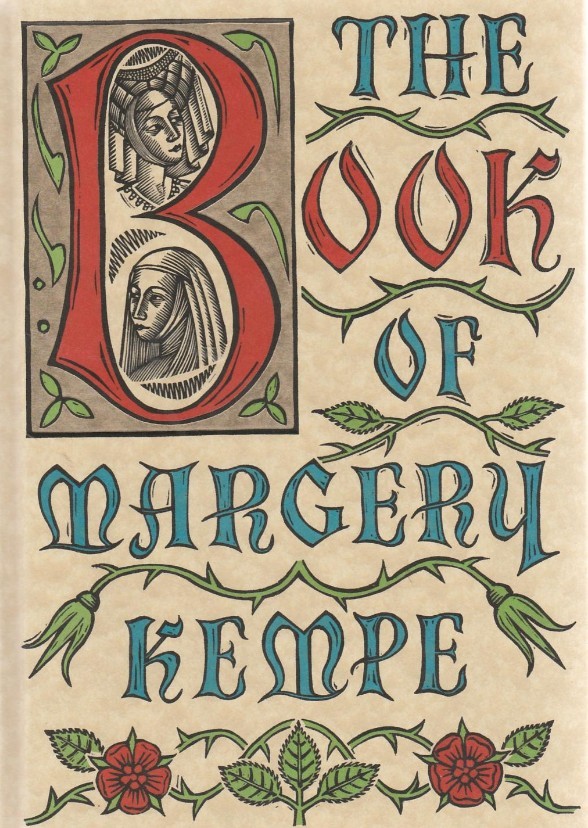
The Book of Margery Kempe (c. 1436-8) is the extraordinary account of a medieval wife, mother, and mystic. Known as the earliest autobiography written in the English language, Kempe's Book describes the dramatic transformation of its heroine from failed businesswoman and lustful young wife to devout and chaste pilgrim. She vividly describes her prayers and visions, as well as the temptations in daily life to which she succumbed before dedicating herself to her spiritual calling. She travelled to the most holy sites of the medieval world, including Rome and Jerusalem. In her life and her boisterous devotion, Kempe antagonized many of those around her; yet she also garnered friends and supporters who helped to record her experiences. Her Book opens a window on to the medieval world, and provides a fascinating portrait of one woman's life, aspirations, and prayers.

