
Age: 24
female
Sadie Elizabeth Sink (born April 16, 2002) is an American actress. She began her acting career in theatre, playing the title role in the musical Annie (2012–14) and young Elizabeth II in the historical play The Audience (2015) on Broadway. In 2016, she made her film debut in the biographical sports drama Chuck. Sink had her breakthrough portraying Max Mayfield in the Netflix science fiction series Stranger Things (2017–2025) and received critical acclaim for her performance in its fourth season. In 2021, she appeared in the horror film trilogy Fear Street and played the lead role in Taylor Swift's short film All Too Well. She then starred in Darren Aronofsky's psychological drama The Whale (2022), for which she received a Critics' Choice Movie Award nomination. Sink returned to Broadway in 2025, starring in the play John Proctor Is the Villain and earning a nomination for a Tony Award for Best Actress in a Play; the second youngest woman to achieve such.
Sadie Sink

Gloria Gilbert Patch
for Gloria Gilbert Patch in The Beautiful and Dammed
Suggested by Tadpole
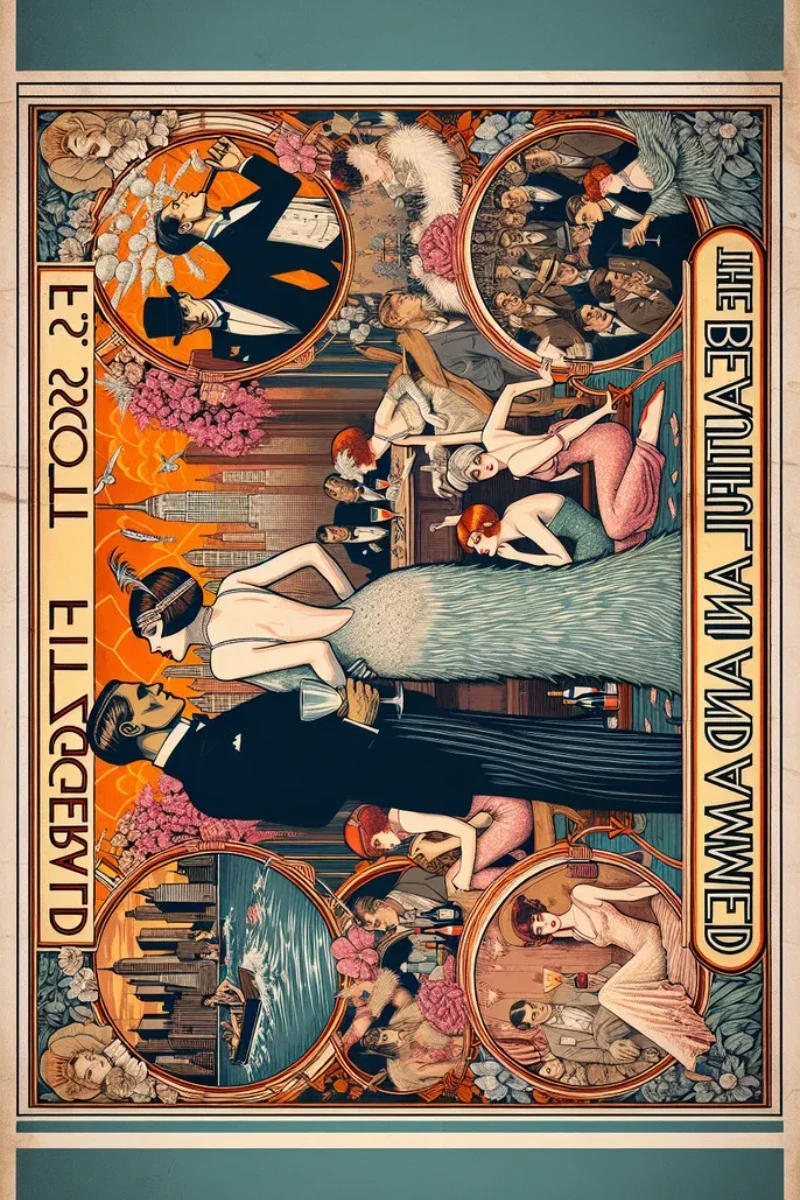
F. Scott Fitzgerald's debut novel follows Anthony Patch and his wife Gloria as they navigate the glittering but morally bankrupt world of 1920s New York high society. Wealthy, beautiful, and utterly self-absorbed, the couple drifts through a haze of parties, alcohol, and hedonistic excess while waiting to inherit a vast fortune. As they squander their youth and resources on meaningless pursuits, their relationship deteriorates and their prospects dim. Anthony's obsession with a legal battle over his inheritance consumes him, while Gloria's fading beauty becomes her primary source of anxiety. The novel captures the disillusionment of the Jazz Age elite—glamorous on the surface but hollow within. Through their decline, Fitzgerald explores themes of American materialism, the corruption of wealth, and the spiritual emptiness lurking beneath the era's glittering facade. The Patches' trajectory from promising youth to bitter, broken middle age serves as a cautionary tale about the dangers of living without purpose or moral foundation, making this a prescient critique of American excess that remains strikingly relevant.

