
Age: 67
male
James Hugh Calum Laurie CBE (born June 11, 1959), known professionally as Hugh Laurie, is an English actor, director, singer, musician, comedian, and author. He is known for portraying the title character on the Fox medical drama series House (2004–2012), for which he received two Golden Globe Awards and nominations for numerous other awards. He was listed in the 2011 Guinness World Records as the most watched leading man on television and was one of the highest-paid actors in a television drama, earning £250,000 ($409,000) per episode of House. His other television credits include arms dealer Richard Onslow Roper in the miniseries The Night Manager (2016), for which he won his third Golden Globe Award, and Senator Tom James in the HBO sitcom Veep (2012–2019), for which he received his 10th Emmy Award nomination. Forced to abandon rowing during a bout of glandular fever, he joined the Cambridge Footlights, a university dramatic club that has produced many well-known actors and comedians. There he met Emma Thompson, with whom he had a romantic relationship, which later ended yet they remain good friends. She introduced him to his future comedy partner, Stephen Fry. Laurie, Fry and Thompson later parodied themselves as the University Challenge representatives of "Footlights College, Oxbridge" in "Bambi", an episode of The Young Ones, with the series' co-writer Ben Elton completing their team.
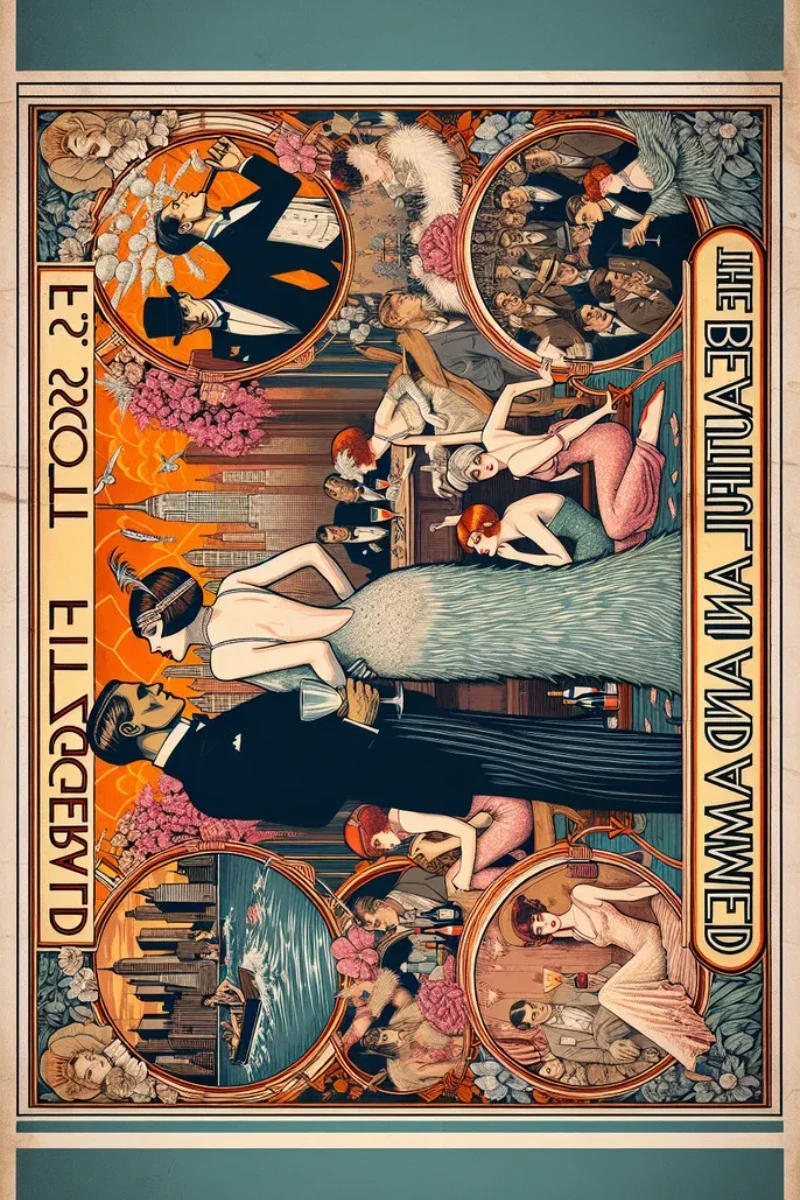
F. Scott Fitzgerald's debut novel follows Anthony Patch and his wife Gloria as they navigate the glittering but morally bankrupt world of 1920s New York high society. Wealthy, beautiful, and utterly self-absorbed, the couple drifts through a haze of parties, alcohol, and hedonistic excess while waiting to inherit a vast fortune. As they squander their youth and resources on meaningless pursuits, their relationship deteriorates and their prospects dim. Anthony's obsession with a legal battle over his inheritance consumes him, while Gloria's fading beauty becomes her primary source of anxiety. The novel captures the disillusionment of the Jazz Age elite—glamorous on the surface but hollow within. Through their decline, Fitzgerald explores themes of American materialism, the corruption of wealth, and the spiritual emptiness lurking beneath the era's glittering facade. The Patches' trajectory from promising youth to bitter, broken middle age serves as a cautionary tale about the dangers of living without purpose or moral foundation, making this a prescient critique of American excess that remains strikingly relevant.


