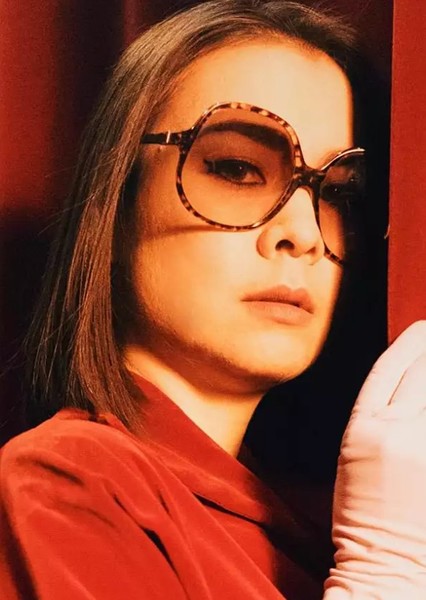
Age: 77
female
Pamela Suzette Grier (born May 26, 1949) is an American actress. Described by director Quentin Tarantino as cinema's first female action star, she achieved fame for her starring roles in a string of 1970s action, blaxploitation, and women in prison films for American International Pictures and New World Pictures. Her accolades include nominations for an Emmy Award, a Golden Globe Award, a Screen Actors Guild Award, a Satellite Award, and a Saturn Award. Grier came to prominence with her titular roles in the films Coffy (1973) and Foxy Brown (1974); her other major films during this period included The Big Doll House (1971), Women in Cages (1971), The Big Bird Cage (1972), Black Mama, White Mama (1973), Scream Blacula Scream (1973), The Arena (1974), Sheba, Baby (1975), Bucktown (1975), and Friday Foster (1975). She portrayed the title character in Quentin Tarantino's crime film Jackie Brown (1997), and also appeared in Escape from L.A. (1996), Jawbreaker (1999), Holy Smoke!, (1999), Bones (2001), Just Wright (2010), Larry Crowne (2011), and Poms (2019). On television, Grier portrayed Eleanor Winthrop in the Showtime comedy-drama series Linc's (1998–2000), Kate "Kit" Porter on the Showtime drama series The L Word (2004–2009), and Constance Terry in the ABC sitcom Bless This Mess (2019–2020). She received praise for her work in the animated series Happily Ever After: Fairy Tales for Every Child (1999).

The Beatles were an English rock band formed in Liverpool in 1960. With members John Lennon, Paul McCartney, George Harrison and Ringo Starr, they became widely regarded as the foremost and most influential act of the rock era. Rooted in skiffle, beat and 1950s rock and roll, the Beatles later experimented with several musical styles, ranging from pop ballads and Indian music to psychedelia and hard rock, often incorporating classical elements and unconventional recording techniques in innovative ways. In 1963 their enormous popularity first emerged as "Beatlemania", and as the group's music grew in sophistication in subsequent years, led by primary songwriters Lennon and McCartney, they came to be perceived as an embodiment of the ideals shared by the counterculture of the 1960s.