Age: 61
male
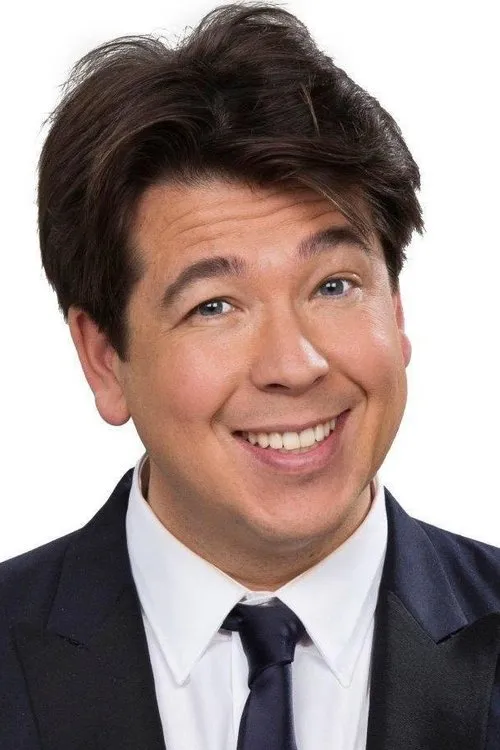
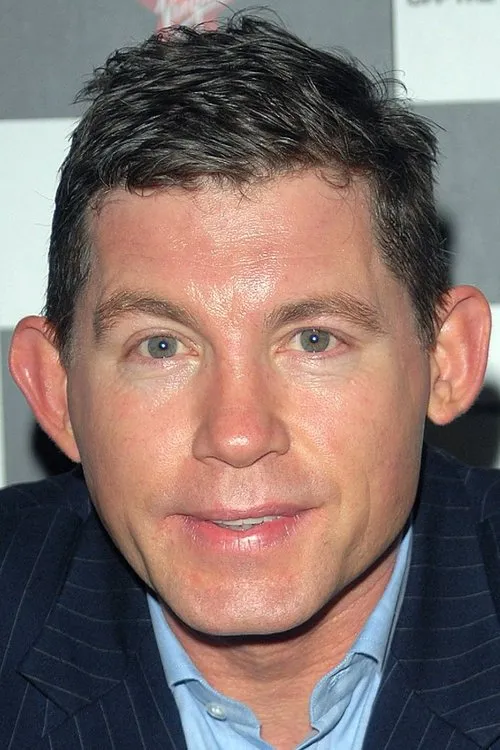
Robert Brydon Jones is a Welsh actor, comedian, impressionist, presenter, singer and writer. He gained prominence for his roles in film, television and radio. He was appointed Member of the Order of the British Empire (MBE) in Queen Elizabeth II's Birthday Honours in 2013 for services to comedy and broadcasting and charitable services. Brydon gained fame for his roles in the black comedy series Human Remains (2000), the mockumentary series Marion and Geoff (2000–2003), the chat show spoof The Keith Barret Show (2004–2005), and the comedy series Supernova (2005–2006). From 2007 to 2024, he played Bryn West in the BBC sitcom Gavin & Stacey, for which he received a BAFTA Award nomination for Best Comedy Performance. He has acted in several films with Steve Coogan for director Michael Winterbottom, starting with 24 Hour Party People (2002) and A Cock and Bull Story (2005). Brydon and Coogan then starred in The Trip (2010), followed by The Trip to Italy (2014), The Trip to Spain (2017), and The Trip to Greece (2020). He has also acted in the films Cinderella (2015), The Huntsman: Winter's War (2016), Holmes & Watson (2019), and Barbie (2023). Since 2009, Brydon has presented the BBC One comedy panel show Would I Lie to You? after previously playing himself as host of a fictional panel show in Rob Brydon's Annually Retentive, which ran on BBC Three from 2006 until 2007. In addition to presenting his late-night chat show, The Rob Brydon Show, for two years, he hosted the 2014 Saturday-night game show The Guess List for BBC One.

The Beatles were an English rock band formed in Liverpool in 1960. With members John Lennon, Paul McCartney, George Harrison and Ringo Starr, they became widely regarded as the foremost and most influential act of the rock era. Rooted in skiffle, beat and 1950s rock and roll, the Beatles later experimented with several musical styles, ranging from pop ballads and Indian music to psychedelia and hard rock, often incorporating classical elements and unconventional recording techniques in innovative ways. In 1963 their enormous popularity first emerged as "Beatlemania", and as the group's music grew in sophistication in subsequent years, led by primary songwriters Lennon and McCartney, they came to be perceived as an embodiment of the ideals shared by the counterculture of the 1960s.