Age: 65
male
Aaron Benjamin Sorkin (born June 9, 1961) is an American screenwriter, playwright and film director. Born in New York City, he developed a passion for writing early on. As a writer for stage, television, and film, Sorkin is recognised for his trademark fast-paced dialogue and extended monologues, complemented by frequent use of the "walk and talk" storytelling technique. Sorkin has earned numerous accolades, including an Academy Award, a BAFTA Award, five Primetime Emmy Awards, and three Golden Globes. Sorkin rose to prominence as a writer-creator and showrunner of the television series Sports Night (1998–2000), The West Wing (1999–2006), Studio 60 on the Sunset Strip (2006–07), and The Newsroom (2012–14). He is also known for his work on Broadway, including the plays A Few Good Men (1989), The Farnsworth Invention (2007), To Kill a Mockingbird (2018), and the revival of Lerner and Loewe's musical Camelot (2023). He wrote the film screenplays for A Few Good Men (1992), The American President (1995), and several biopics, including Charlie Wilson's War (2007), Moneyball (2011), and Steve Jobs (2015). For writing The Social Network (2010), he won the Academy Award for Best Adapted Screenplay. He made his directorial film debut with Molly's Game (2017), followed by The Trial of the Chicago 7 (2020) and Being the Ricardos (2021). Description above from the Wikipedia article Aaron Sorkin, licensed under CC-BY-SA, full list of contributors on Wikipedia.
Aaron Sorkin

Writer
for Writer in Texas Flood: The Stevie Ray Vaughan Story
Suggested by kamsismith
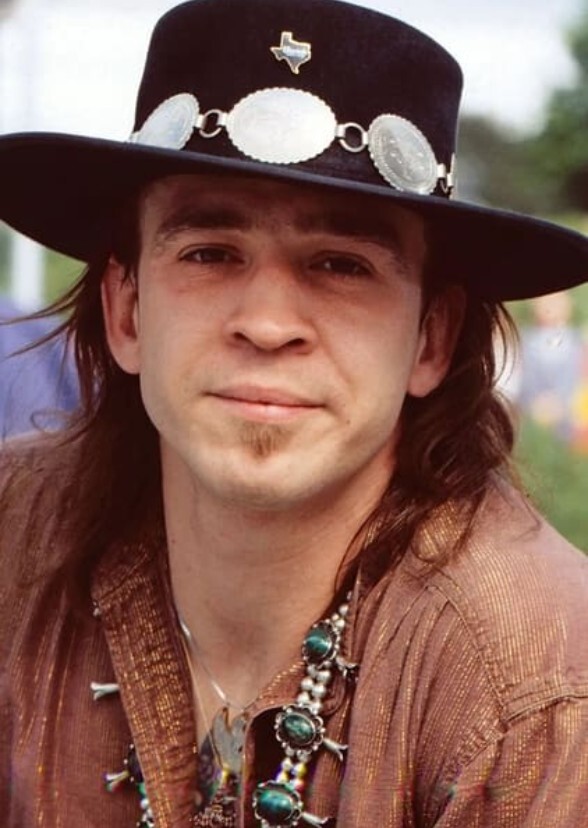
Dive into the electrifying, soulful journey of Stevie Ray Vaughan, a man who transformed the blues and left an indelible mark on music history. Texas Flood chronicles the meteoric rise of a Texas-born virtuoso who redefined what it meant to play the guitar. From the smoky dive bars of Austin to the biggest stages in the world, Stevie's story is one of passion, resilience, and redemption. Raised in Dallas, Stevie grew up under the shadow of his brother, Jimmie Vaughan, a blues prodigy in his own right. While their sibling bond fueled Stevie’s passion for music, it also ignited a competitive fire that would drive him to push the boundaries of his craft. We see Stevie’s fearless performances and his struggles with personal demons, including a battle with substance abuse that nearly ended his career. The film highlights the key moments that defined Stevie's legacy: the creation of Double Trouble, his breakthrough at the Montreux Jazz Festival, and the legendary albums that reignited the blues genre in the 1980s. His guitar solos weren’t just performances—they were cathartic confessions of a man pouring his heart into every note.