
Age: 57
male
Bong Joon-ho (Korean: 봉준호, Korean pronunciation:[poːŋ tɕuːnho → poːŋdʑunɦo]; born September 14, 1969) is a South Korean filmmaker. The recipient of three Academy Awards, his work is characterised by emphasis on social and class themes, genre-mixing, dark comedy, and sudden tone shifts. He first became known to audiences and achieved a cult following with his directorial debut film, the black comedy Barking Dogs Never Bite (2000), before achieving both critical and commercial success with his subsequent films: the crime thriller Memories of Murder (2003), the monster film The Host (2006), the science fiction action film Snowpiercer (2013), which served as Bong's English language debut, and the acclaimed black comedy thriller Parasite (2019), all of which are among the highest-grossing films in South Korea, with Parasite also being the highest-grossing South Korean film in history. All of Bong's films have been South Korean productions. However, Snowpiercer, Okja (2017) and Mickey 17 (2025) are Hollywood co-productions with significant use of the English language. Two of his films have been screened in competitions at the Cannes Film Festival — Okja in 2017 and Parasite in 2019; the latter earned the Palme d'Or, the first for a South Korean film. Considered an immediate favourite by the Academy Awards, Parasite became the first South Korean film to receive Academy Award nominations, with Bong winning Best Picture, Best Director, and Best Original Screenplay, making Parasite the first film in the award's history not in English to win Best Picture. In 2017, Bong was included on Metacritic's list of the 25 best film directors of the 21st century. In 2020, Bong was included in Time's annual list of 100 Most Influential People and Bloomberg 50. Description above from the Wikipedia article Bong Joon-ho, licensed under CC-BY-SA, full list of contributors on Wikipedia.
Bong Joon Ho

Director
for Director in Tender Is the Flesh / Cadaver Exquisito
Suggested by hifipi
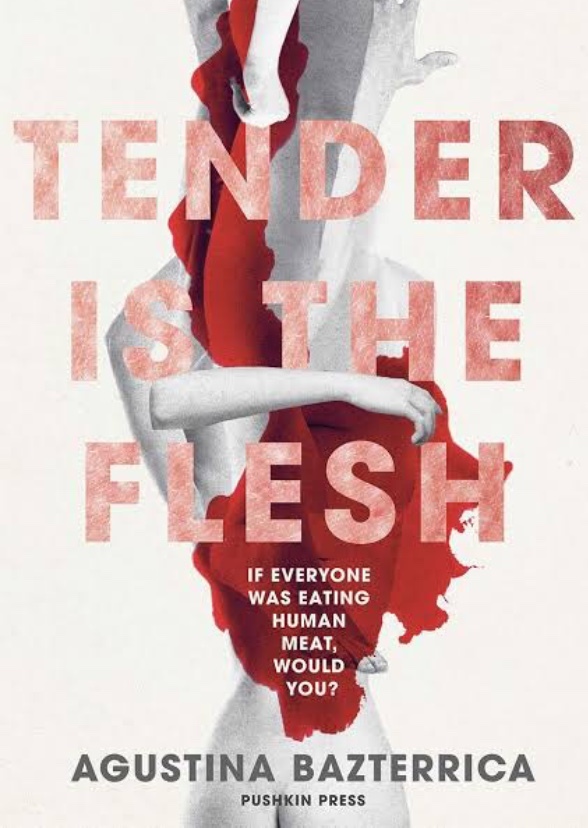
Working at the local processing plant, Marcos is in the business of slaughtering humans—though no one calls them that anymore. His wife has left him, his father is sinking into dementia, and Marcos tries not to think too hard about how he makes a living. After all, it happened so quickly. First, it was reported that an infectious virus has made all animal meat poisonous to humans. Then governments initiated the “Transition.” Now, eating human meat—“special meat”—is legal. Marcos tries to stick to numbers, consignments, processing. Then one day he’s given a gift: a live specimen of the finest quality. Though he’s aware that any form of personal contact is forbidden on pain of death, little by little he starts to treat her like a human being. And soon, he becomes tortured by what has been lost—and what might still be saved.

