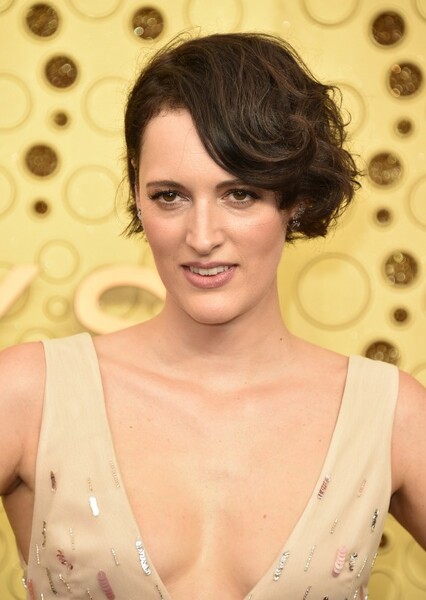
Age: 41
female
Phoebe Mary Waller-Bridge (born 14 July 1985) is an English actress, screenwriter and producer. As the creator, head writer, and lead star of the comedy series Fleabag (2016–2019), she won various accolades, including three Primetime Emmy Awards, two Golden Globes and a British Academy Television Award. She received further Emmy and Golden Globe nominations for writing and producing the spy thriller series Killing Eve (2018–2022). Waller-Bridge has also created, written, and starred in the comedy series Crashing (2016). She has also acted in the comedy series The Café (2011–2013), in the second season of Broadchurch (2015), and in the films Albert Nobbs (2011), The Iron Lady (2011), Goodbye Christopher Robin (2017), and Solo: A Star Wars Story (2018). She contributed to the screenplay of the James Bond film No Time to Die (2021). She starred in the adventure film Indiana Jones and the Dial of Destiny (2023). Description above from the Wikipedia article Phoebe Waller-Bridge, licensed under CC-BY-SA, full list of contributors on Wikipedia.
Phoebe Waller-Bridge

Writer
for Writer in Swinging Through the Sixties
Suggested by kamsismith
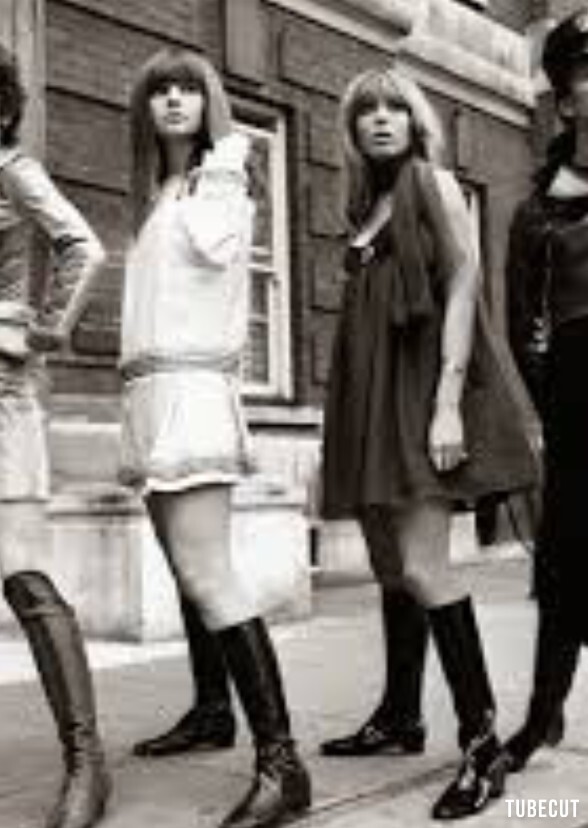
Swinging Through the Sixties is a vibrant, fast-paced biopic that immerses audiences in the heart of London’s cultural revolution. From the kaleidoscopic streets of Carnaby Street to the pulsating energy of Beatles-fueled clubs, this film captures the explosive transformation of youth culture in the 1960s. With the rise of pop art, psychedelic rock, and daring fashion, we follow a diverse group of characters—a rebellious fashion designer, a struggling musician, a photographer caught between fame and ideals, and a politically-minded activist—as they weave through a time of creativity, experimentation, and change. As the British Invasion takes the world by storm, they become entangled in the intoxicating allure of the swinging scene, clashing with a society that is both outraged and captivated by their lifestyles. The film explores the highs of artistic success and the lows of fame's fleeting nature, all set against the backdrop of London's most iconic cultural hubs. But it’s not just a love letter to the era—it’s a raw portrayal of a generation questioning societal norms and fighting for sexual liberation, social justice, and creative freedom. Through the lens of music, fashion, and political protest, Swinging Through the Sixties delves into the tensions between art and commerce, youth and authority, and individuality and conformity.

