
Age: 34
female
Tanya Reynolds is a British actress and director, born on November 4, 1991, in Hemel Hempstead, who trained at the Oxford School of Drama on a full scholarship before graduating in 2015. She is widely recognized for her breakout role as the eccentric, alien-obsessed Lily Iglehart in the Netflix hit Education (2019–2021) and for her performance as Mrs. Elton in the 2020 film adaptation of Jane Austen’s Emma. In 2024, she earned a Laurence Olivier Award nomination for Best Actress in a Supporting Role for her performance in the play A Mirror and starred as Licisca in the Netflix satirical series The Decameron. Continuing her momentum into 2025 and 2026, Reynolds starred in the Barbican's production of The Seagull alongside Cate Blanchett, made her feature directorial debut with the film Dog Person, and joined the cast of Ted Lasso for its 2026 release window.
Tanya Reynolds

Mary Quant
for Mary Quant in Swinging Through the Sixties
Suggested by islington
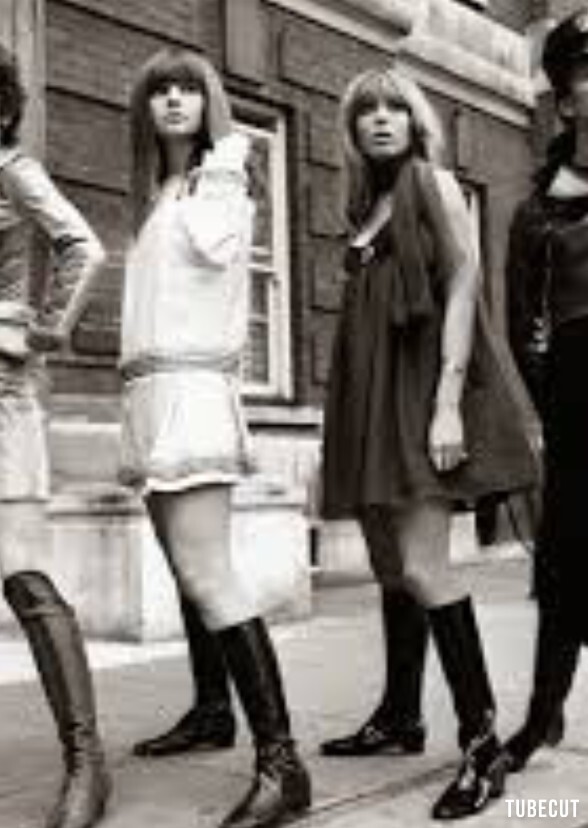
Swinging Through the Sixties is a vibrant, fast-paced biopic that immerses audiences in the heart of London’s cultural revolution. From the kaleidoscopic streets of Carnaby Street to the pulsating energy of Beatles-fueled clubs, this film captures the explosive transformation of youth culture in the 1960s. With the rise of pop art, psychedelic rock, and daring fashion, we follow a diverse group of characters—a rebellious fashion designer, a struggling musician, a photographer caught between fame and ideals, and a politically-minded activist—as they weave through a time of creativity, experimentation, and change. As the British Invasion takes the world by storm, they become entangled in the intoxicating allure of the swinging scene, clashing with a society that is both outraged and captivated by their lifestyles. The film explores the highs of artistic success and the lows of fame's fleeting nature, all set against the backdrop of London's most iconic cultural hubs. But it’s not just a love letter to the era—it’s a raw portrayal of a generation questioning societal norms and fighting for sexual liberation, social justice, and creative freedom. Through the lens of music, fashion, and political protest, Swinging Through the Sixties delves into the tensions between art and commerce, youth and authority, and individuality and conformity.

