
Age: 68
male
Philip Bradley Bird (born September 24, 1957) is an American filmmaker, animator, and voice actor. He has had a career spanning over four decades in both live-action and animation. Bird was born in Montana and grew up in Oregon. He developed an interest in the art of animation early on, and completed his first short subject by age 14. Bird sent the film to Walt Disney Productions, leading to an apprenticeship from the studio's Nine Old Men. He attended the California Institute of the Arts in the late 1970s, and worked for Disney shortly thereafter. In the 1980s, Bird worked in film development with various studios. He co-wrote Batteries Not Included (1987), and developed two episodes of Amazing Stories for Steven Spielberg, including its spin-off (based on a segment written by Bird for the show), the widely panned animated sitcom Family Dog. Afterwards, Bird joined the animated sitcom The Simpsons as creative consultant for eight seasons. He directed the animated film The Iron Giant (1999); though acclaimed, it was a box-office bomb. Bird moved to Pixar where he wrote and directed two successful animated films, The Incredibles (2004) and Ratatouille (2007). They earned Bird two Academy Awards for Best Animated Feature wins and Best Original Screenplay nominations. He transitioned to live-action filmmaking with similarly successful Mission: Impossible – Ghost Protocol (2011), he then directed Disney's Tomorrowland (2015). He returned to Pixar to develop Incredibles 2 (2018), which became the second-highest-grossing animated film of all time during its theatrical run, and earned him another nomination for the Academy Award. Bird has a reputation for supervising his projects to a high degree of detail. He advocates for creative freedom and the possibilities of animation, and has criticized its stereotype as children's entertainment, or classification as a genre, rather than an art. Description above from the Wikipedia article Brad Bird, licensed under CC-BY-SA, full list of contributors on Wikipedia
Brad Bird

Director
for Director in Superman: Man of Tomorrow (2011)
Suggested by blockbuster53
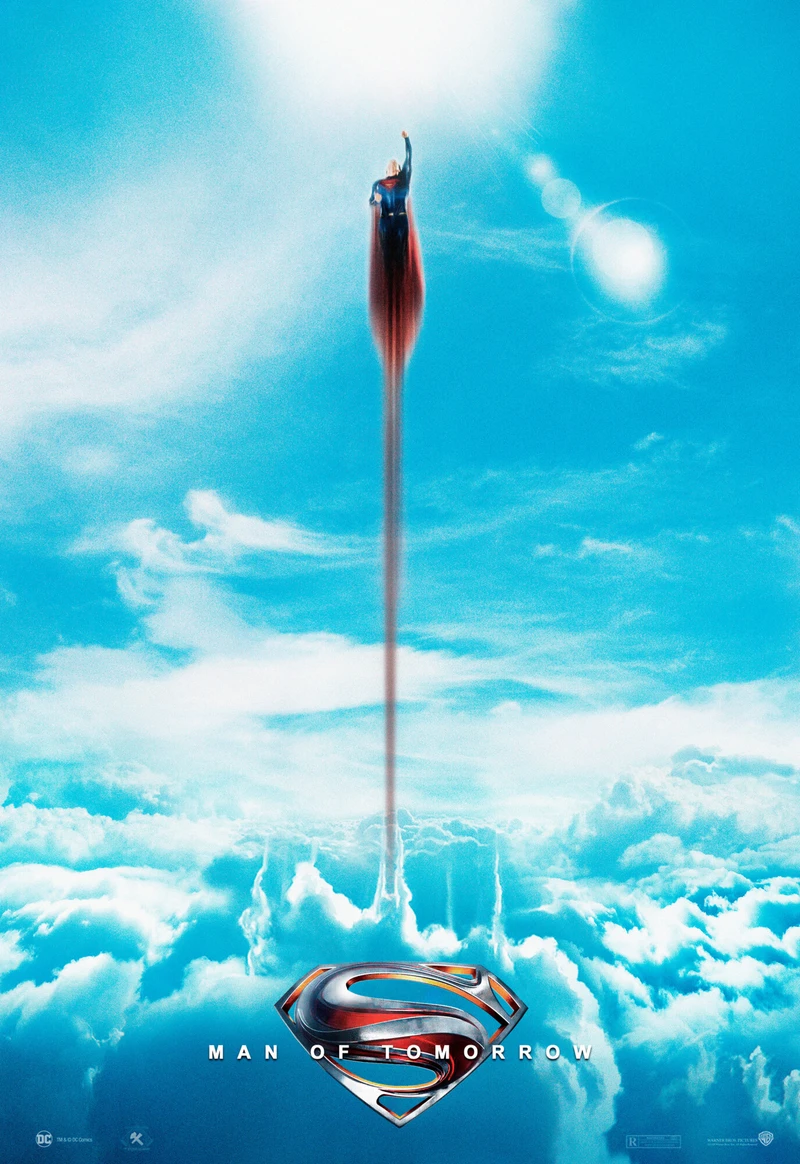
Three years after debuting as Superman, Clark Kent has become the symbol of a hopeful, futuristic Metropolis. While investigating a mysterious deep-space signal with Lois Lane, Jimmy Olsen, and STAR Labs, he crosses paths with Lex Luthor, who promotes Project Prometheus, a global defense initiative built around humanity no longer relying on alien saviors. The signal proves to be Brainiac, a colossal cybernetic collector of worlds. Arriving above Earth in a skull-shaped vessel, Brainiac reveals he monitored Krypton for centuries, preserving Kandor while allowing the rest of the planet to die. Fascinated by Krypton’s last son, he offers Clark access to his lost heritage before declaring Earth another specimen for his collection. Brainiac shrinks Metropolis and stores the city aboard his ship, leaving a crater where it once stood. As panic spreads across the globe, Lex quietly fuels suspicion that Superman’s existence attracted the invasion. Trapped inside the bottled city, Lois organizes resistance efforts, Jimmy keeps morale alive, and Perry White continues publishing emergency bulletins. Refusing to give in, Superman infiltrates Brainiac’s vessel and battles through armies of drones before confronting the AI at its core. Brainiac attempts to imprison him within a perfect simulation of Krypton, but Clark rejects the illusion, embracing the life Earth gave him. Destroying Brainiac’s core, he restores Metropolis and proves hope is stronger than fear. While searching Brainiac’s archives, Clark discovers records of another survivor from Krypton. STAR Labs later uncovers an ancient Kryptonian pod buried beneath Arctic ice. Its occupant is identified as Kara Zor-El, but the pod is empty. Post-Credits: Working late at the Daily Planet, Clark receives a package containing Brainiac telemetry, satellite images, and a business card bearing the name Bruce Wayne. On the back is a handwritten message: “You aren’t the only one investigating.”

