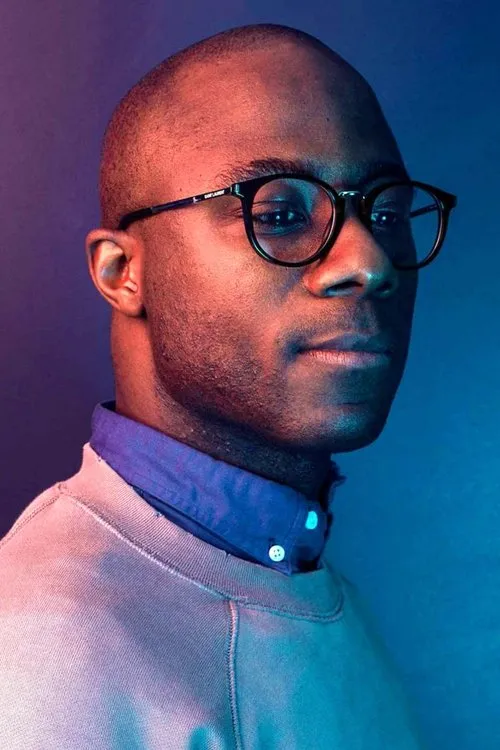
Age: 46
male
Barry Jenkins (born November 19, 1979) is an American filmmaker. After making his filmmaking debut with the short film My Josephine (2003), he directed his first feature film, Medicine for Melancholy (2008), for which he received an Independent Spirit Award nomination for Best First Feature. He is also a creative collaborator and a member of The Chopstars collective. Following an eight-year hiatus from feature filmmaking, Jenkins directed and co-wrote the LGBTQ-themed independent drama Moonlight (2016), which won numerous accolades, including the Academy Award for Best Picture. Jenkins received an Oscar nomination for Best Director and jointly won the Academy Award for Best Adapted Screenplay with Tarell Alvin McCraney. He became the fourth Black person nominated for Best Director and the second to direct a Best Picture winner. He released his third directorial feature If Beale Street Could Talk 2018, to critical praise and earned nominations for his screenplay at the Academy Awards and Golden Globes. He is also known for his work in television. In 2017, Jenkins directed "Chapter V" of the Netflix series Dear White People. In 2021, he created and directed the Amazon Video limited series The Underground Railroad, based on the novel of the same name. The series received a Primetime Emmy Award for Outstanding Directing for a Limited Series or Movie nomination and won a Peabody Award. In 2017, Jenkins was included on the annual Time 100 list of the most influential people in the world. Description above from the Wikipedia article Barry Jenkins, licensed under CC-BY-SA, full list of contributors on Wikipedia.
Barry Jenkins

Director
for Director in Streets to Screens: The Evolution of Hood Cinema
Suggested by zeldalover603

"Streets to Screens" is an epic journey through the evolution of hood cinema, chronicling the gritty, real-life stories that have captivated audiences for decades. From the early 1970s to the present day, this TV series dives deep into the cultural impact and historical significance of hood movies, exploring how they've reflected and shaped society's perceptions of urban life. Each episode of "Streets to Screens" focuses on a different era, highlighting iconic films, groundbreaking directors, and the socio-political climates that influenced their creation. We'll explore the birth of the genre with classics like "Shaft" and "Super Fly," examining how they laid the groundwork for future filmmakers to depict the realities of life in marginalized communities. As the series progresses, we'll delve into pivotal moments in hood cinema, from the rise of blaxploitation in the 1970s to the emergence of hip-hop culture in the 1990s, which brought a new wave of voices and perspectives to the screen. We'll examine the controversies and criticisms surrounding these films, while also celebrating their cultural significance and enduring popularity.

