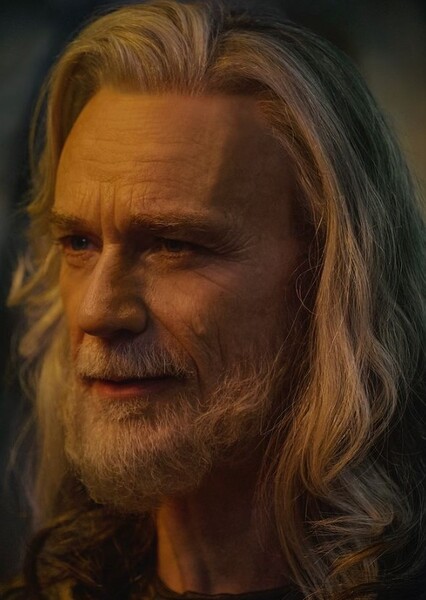
Age: 69
male
Sir Daniel Michael Blake Day-Lewis (born 29 April 1957) is an English and Irish actor. Often described as one of the greatest actors in the history of cinema, he is best known for intense method acting portrayed with eccentric characters in auteur films. He is the recipient of numerous accolades including a record three Academy Awards for Best Actor as well as four BAFTAs, three Screen Actors Guild Awards and two Golden Globes. In 2014, Day-Lewis received a knighthood for services to drama. Born and raised in London, Day-Lewis excelled on stage at the National Youth Theatre before being accepted at the Bristol Old Vic Theatre School, which he attended for three years. Despite his traditional training he is considered a method actor, known for his constant devotion to and research of his roles. Protective of his private life, he rarely grants interviews and makes very few public appearances. Day-Lewis shifted between theatre and film for most of the early 1980s, joining the Royal Shakespeare Company and playing Romeo Montague in Romeo and Juliet and Flute in A Midsummer Night's Dream. Playing the title role in Hamlet at the National Theatre in London in 1989, he left the stage midway through a performance after breaking down during a scene where the ghost of Hamlet's father appears before him—this was his last appearance on the stage. After supporting film roles in Gandhi (1982) and The Bounty (1984), he earned acclaim for his breakthrough performances in My Beautiful Laundrette (1985), A Room with a View (1985), and The Unbearable Lightness of Being (1988). He earned three Academy Awards for Best Actor for his roles as Christy Brown in My Left Foot (1989), oil tycoon Daniel Plainview in There Will Be Blood (2007), and Abraham Lincoln in Lincoln (2012). He was Oscar-nominated for In the Name of the Father (1993), Gangs of New York (2002), and Phantom Thread (2017). Other notable films include The Last of the Mohicans (1992), The Age of Innocence (1993), The Crucible (1996), and The Boxer (1997). He retired from acting twice, from 1997 to 2000 when he took up a new profession as an apprentice shoe-maker in Italy, and from 2017 to 2024. In 2025, he starred in and co-wrote Anemone, directed by his son Ronan. Description above from the Wikipedia article Daniel Day-Lewis, licensed under CC-BY-SA, full list of contributors on Wikipedia.
Daniel Day-Lewis

Claude Frollo
for Claude Frollo in 𝔗𝔥𝔢 ℌ𝔲𝔫𝔠𝔥𝔟𝔞𝔠𝔨 𝔬𝔣 𝔑𝔬𝔱𝔯𝔢 𝔇𝔞𝔪𝔢
Suggested by demurelyhydrated
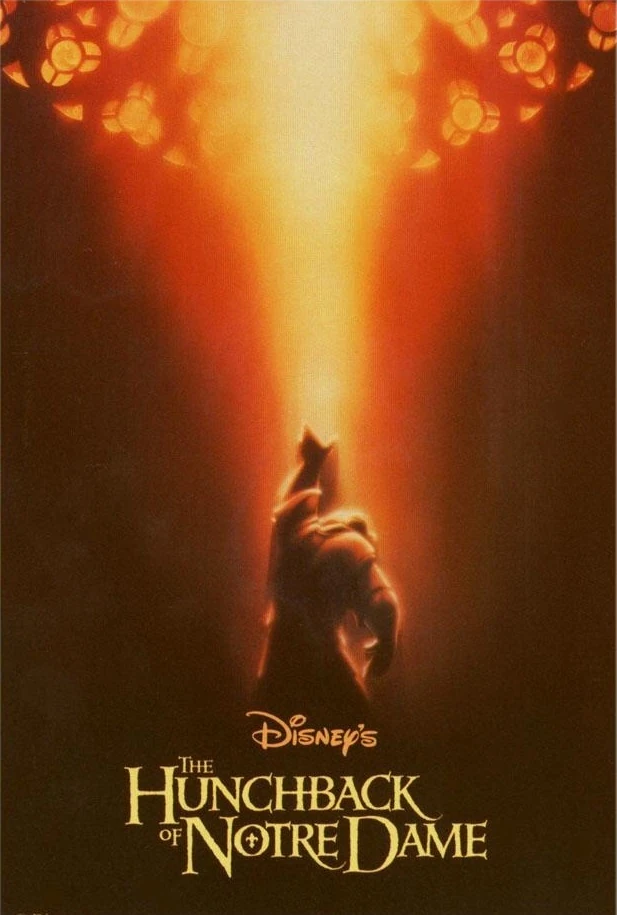
What makes a monster and what makes a man? This is the central theme of The Hunchback of Notre Dame, a sweeping, grand-scale musical from Disney Theatrical. Based on the 1996 Disney film and Victor Hugo’s 1831 novel, The Hunchback of Notre Dame tells the story of Quasimodo, the hunchbacked bell-ringer of Notre Dame, and his desire to one day be a part of the outside world. When he summons the courage to attend the Feast of Fools, he meets Esmeralda, a compassionate gypsy who protects him from an angry mob. But at the same time, Quasimodo’s master, the archdeacon Dom Claude Frollo, and the new captain of the guard, Phoebus de Martin, fall in love with the beautiful girl. Adding to Quasimodo’s struggle is his punishment and derision from Frollo, following years of psychological abuse, and the danger posed by the gypsies, who are willing to kill any outsiders who venture into their secret hideout. Before Paris is burned to the ground, will Quasimodo be able to save Esmeralda from Frollo’s lust and anger? Will she return Quasimodo’s affection? Who is the true monster of Notre Dame?