Age: 37
male
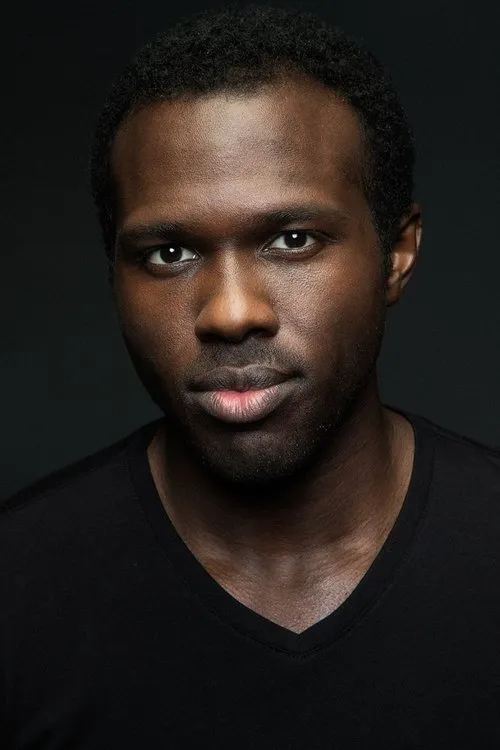
Daniel Kaluuya (/kəˈluːjə/; born 24 February 1989) is a British actor and filmmaker. His work encompasses both screen and stage, and his accolades include an Academy Award, two British Academy Film Awards, and a Golden Globe Award. In 2021, he was named among the 100 most influential people in the world by Time magazine. Kaluuya began his acting career as a teenager in improvisational theatre. He played Posh Kenneth in the first two seasons of the television series Skins (2007–2009); he also co-wrote some of the episodes. Kaluuya drew praise for his leading performance in Sucker Punch at the Royal Court Theatre in 2010. He went on to gain attention for his television roles in Psychoville (2009–2011), The Fades (2011), and the Black Mirror episode "Fifteen Million Merits" (2011). He also had supporting roles in the films Johnny English Reborn (2011), Kick-Ass 2 (2013), and Sicario (2015). In 2017, Kaluuya had his breakthrough starring in Jordan Peele's horror film Get Out, which garnered him a nomination for the Academy Award for Best Actor. This was followed by roles in Ryan Coogler's superhero film Black Panther (2018), Steve McQueen's crime drama Widows (2018), Peele's horror film Nope (2022), and Sony Pictures Animation's animated superhero film Spider-Man: Across the Spider-Verse (2023). For his portrayal of Black Panther Party leader Fred Hampton in the biopic Judas and the Black Messiah (2021), he won the BAFTA and Academy Award for Best Supporting Actor. He has since co-directed the drama The Kitchen (2023). Description above from the Wikipedia article Daniel Kaluuya, licensed under CC-BY-SA, full list of contributors on Wikipedia.
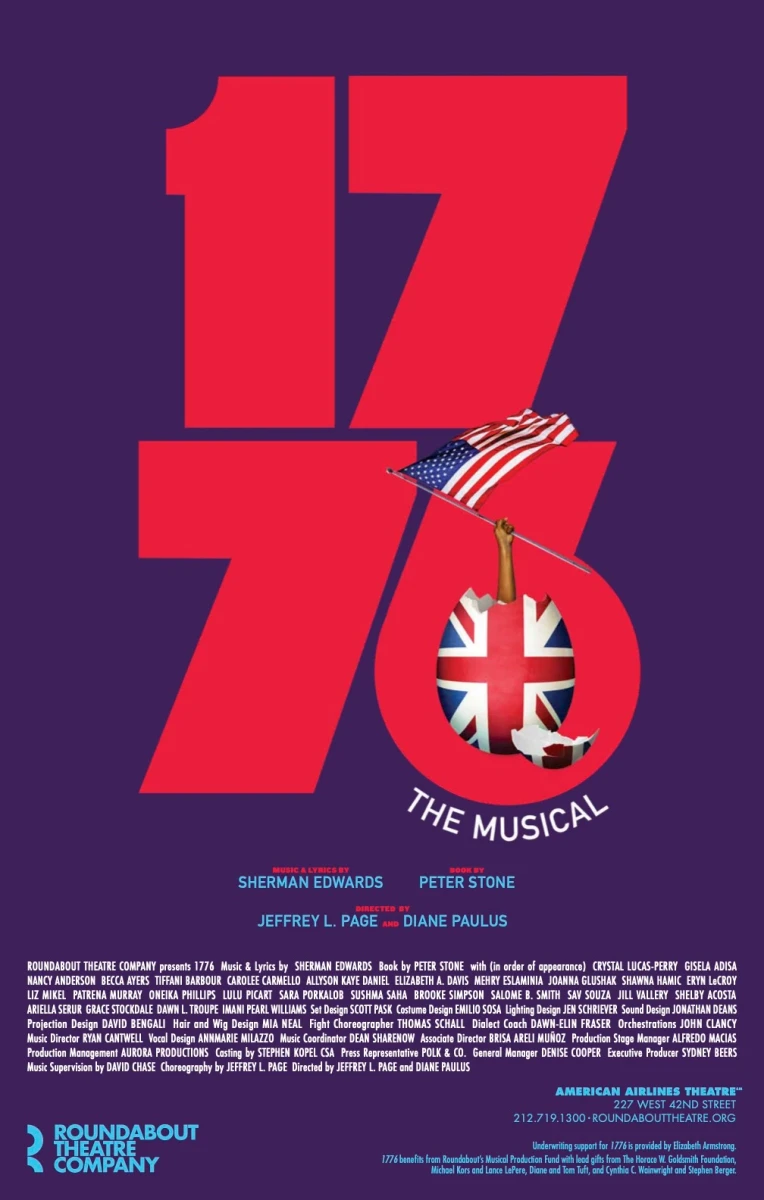
During the Second Continental Congress, currently underway in Philadelphia, the motion to declare the colonies' independence from Great Britain, introduced by John Adams, a delegate from Massachusetts, is not debated, preferring to address more trivial matters. Benjamin Franklin, a delegate from Pennsylvania, strategically suggests that he have another delegate propose the resolution. The choice falls on the impetuous and extroverted Richard Henry Lee, who accepts and returns to Virginia to obtain authorization from the state legislature. Having overcome the first hurdle, Lee's new motion faces objections from John Dickinson, a delegate from Pennsylvania and leader of the conservative faction inclined to reconciliation with Great Britain, who manages to obtain a unanimous quorum given the importance of the independence motion. Adams, to gain time to seek greater consensus, requests a postponement for the drafting of a declaration of injustice, entrusted to a committee of five delegates, but in reality the drafting is entrusted almost entirely to Thomas Jefferson, delegate from Virginia.