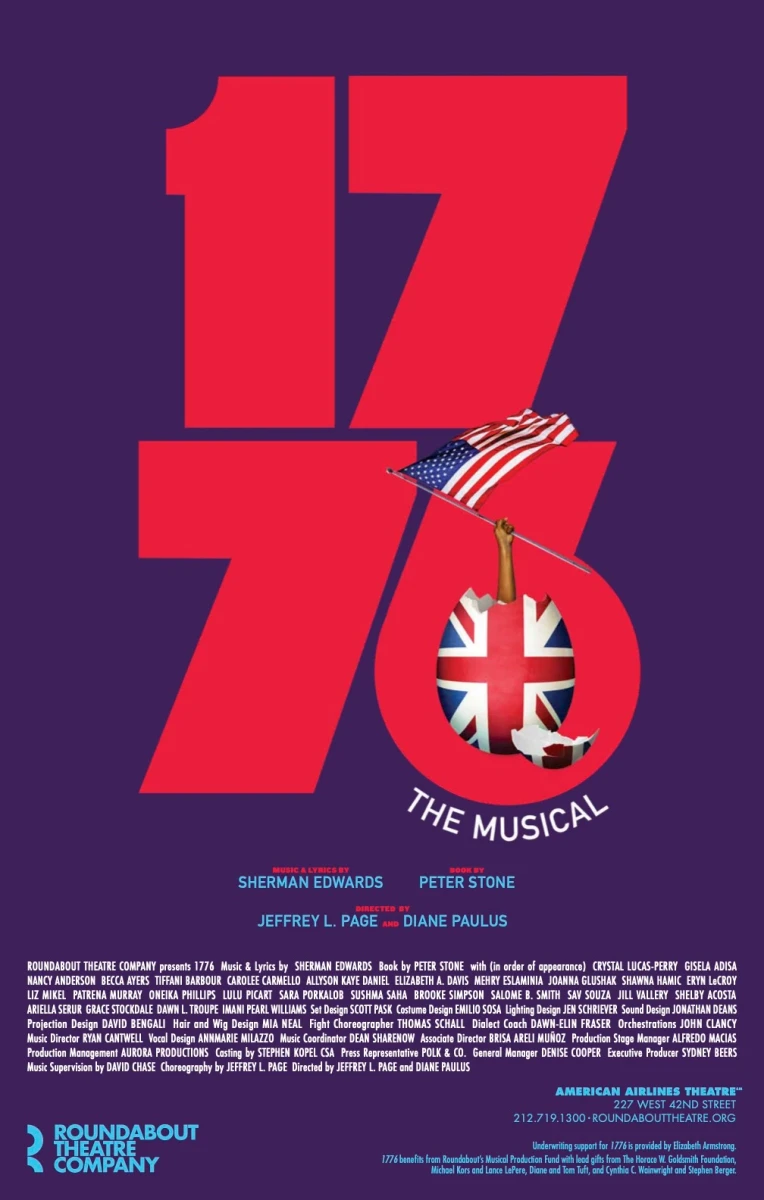
During the Second Continental Congress, currently underway in Philadelphia, the motion to declare the colonies' independence from Great Britain, introduced by John Adams, a delegate from Massachusetts, is not debated, preferring to address more trivial matters. Benjamin Franklin, a delegate from Pennsylvania, strategically suggests that he have another delegate propose the resolution. The choice falls on the impetuous and extroverted Richard Henry Lee, who accepts and returns to Virginia to obtain authorization from the state legislature. Having overcome the first hurdle, Lee's new motion faces objections from John Dickinson, a delegate from Pennsylvania and leader of the conservative faction inclined to reconciliation with Great Britain, who manages to obtain a unanimous quorum given the importance of the independence motion. Adams, to gain time to seek greater consensus, requests a postponement for the drafting of a declaration of injustice, entrusted to a committee of five delegates, but in reality the drafting is entrusted almost entirely to Thomas Jefferson, delegate from Virginia.