
Age: 56
male
Colman Jason Domingo (born November 28, 1969) is an American actor, playwright, and director. Prominent on both screen and stage since the 2010s, Domingo has received various accolades, including a Primetime Emmy Award, and nominations for an Academy Award and two Tony Awards. Time magazine named him one of the 100 most influential people in the world in 2024. Domingo's early Broadway roles include the 2005 play Well and the 2008 musical Passing Strange. He gained acclaim for his role as Mr. Bones in the Broadway musical The Scottsboro Boys (2011), for which he was nominated for the Tony Award for Best Featured Actor in a Musical. He reprised the role in the 2014 West End production, receiving a nomination for the Laurence Olivier Award for Best Performance in a Supporting Role in a Musical. In 2018, he wrote the book for the Broadway musical Summer: The Donna Summer Musical. After early roles in various incarnations of the Law & Order series and as part of the main cast for The Big Gay Sketch Show, Domingo had his breakthrough playing Victor Strand in the AMC series Fear the Walking Dead (2015–2023). He gained wider acclaim for his recurring role as the recovering drug addict Ali on the HBO series Euphoria (2019–present), winning the Primetime Emmy Award for Outstanding Guest Actor in a Drama Series in 2022. Domingo received consecutive nominations in 2024 and 2025 for the Academy Award for Best Actor for his portrayals of civil rights activist Bayard Rustin in the biopic Rustin and a prison inmate in the drama Sing Sing. His other notable film appearances include roles in Lincoln (2012), The Butler (2013), Selma (2014), If Beale Street Could Talk (2018), Ma Rainey's Black Bottom (2020), Zola (2021), and The Color Purple (2023). Description above from the Wikipedia article Colman Domingo, licensed under CC-BY-SA, full list of contributors on Wikipedia.
Colman Domingo

Berry Gordy
for Berry Gordy in Stevie: Higher Ground (Biopic)
Suggested by kaueoliveira
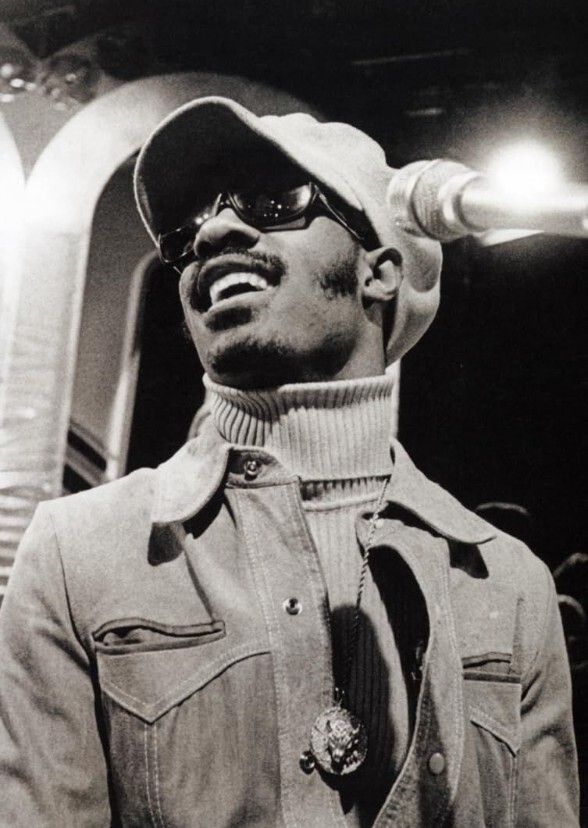
"Stevie: Higher Ground" is not a standard biopic; it is a musical odyssey focused on the most creatively explosive period in the history of American music: 1971 to 1976. The film begins with Stevie Wonder turning 21. No longer "Little Stevie," the Motown child prodigy, he does the unthinkable: he lets his contract expire and demands full creative control from the terrifying Berry Gordy, threatening to quit music entirely if he doesn't get it. The film visualizes Stevie’s blindness not as darkness, but as a vibrant, synesthetic explosion of color and sound. It tracks his partnership with electronic music pioneers (Malcolm Cecil and Robert Margouleff) to build the "Big Brother" synthesizer, creating sounds never heard before. The narrative arc is punctuated by the tragic 1973 car accident that left him in a coma and permanently lost his sense of smell, a near-death experience that deepened his spirituality and political activism. It culminates in the marathon recording sessions for Songs in the Key of Life, portraying Stevie not just as a singer, but as a relentless, perfectionist musical architect building a legacy while fighting for civil rights.

