
The Croods is a 2013 American computer-animated adventure comedy film produced by DreamWorks Animation and distributed by 20th Century Fox. The film was written and directed by Kirk DeMicco and Chris Sanders,[6] and stars the voices of Nicolas Cage, Emma Stone, Ryan Reynolds, Catherine Keener, Clark Duke, and Cloris Leachman. The film is set in a fictional prehistoric Pliocene era known as "The Croodaceous" (a prehistoric period which contains fictional creatures) when a prehistoric caveman's position as a "Leader of the Hunt" is threatened by the arrival of a genius who comes up with revolutionary new inventions as they trek through a dangerous but exotic land in search of a new home. The film premiered at the 63rd Berlin International Film Festival on February 15, 2013,[7] and was released in the United States on March 22, 2013.[8] As part of the distribution deal, this was the first DreamWorks Animation film to be distributed by 20th Century Fox, since the end of their distribution deal with Paramount Pictures in 2012.[9] The Croods received generally positive reviews and proved to be a box office success, earning more than $587 million on a budget of $135–175 million. It was nominated for an Academy Award for Best Animated Feature and a Golden Globe Award for Best Animated Feature Film. The film launched a new franchise,[10] with a television series, Dawn of the Croods, which debuted on December 24, 2015 on Netflix.[11] A sequel directed by Joel Crawford, titled The Croods: A New Age, was released on November 25, 2020.
The Croods

The Flintstones
for The Flintstones in Spiritual Successor
Suggested by toonking1985
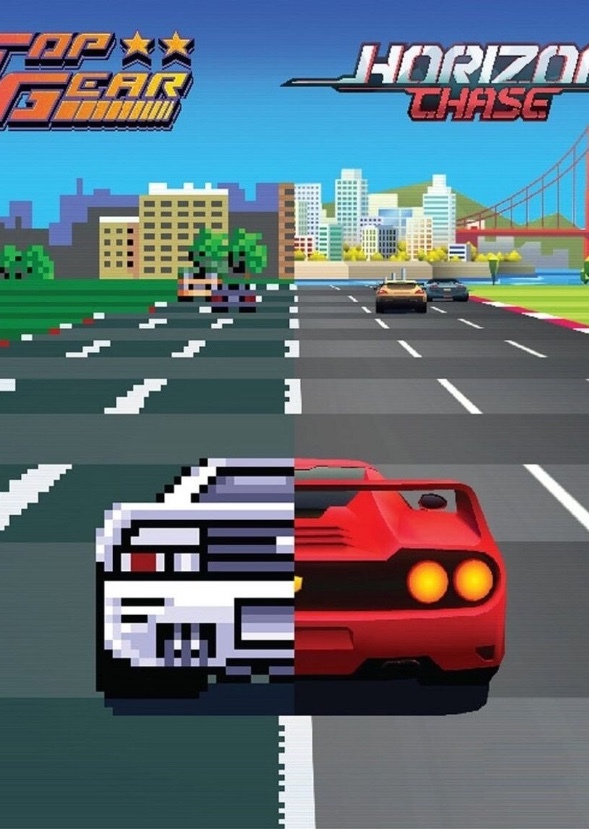
A spiritual successor is a type of follow-up work that isn’t directly connected to the original story or universe, but still carries forward its essence through similar themes, style, and ideas—essentially acting as a sequel “in spirit.” Creators may do this for many reasons: to pay homage while avoiding legal ties, to continue exploring familiar creative ground without risking a direct sequel, or simply because their artistic voice naturally echoes past work. This concept appears across many forms of media, though it’s especially common in video games, where developers may retain the tools and design philosophy of a past project even if they no longer hold the rights to its name or characters. A related concept is the spiritual adaptation, where a work in one medium closely mirrors the tone and structure of another, almost feeling like an unofficial adaptation. Spiritual successors can sometimes feel like rebranded continuations of ideas from older or discontinued franchises, effectively serving as a kind of creative reincarnation. They often overlap with ideas like unofficial counterparts or heavily inspired works, and can even share the same creative teams. While they celebrate and evolve what came before, they stand apart as independent creations, occasionally even contrasting with or redefining the works that inspired them.




