Yojimbo (用心棒, Yōjinbō, "Bodyguard") is a 1961 Japanese samurai film directed by Akira Kurosawa, who produced the film with Tomoyuki Tanaka and Ryūzō Kikushima. Kurosawa wrote the screenplay with Kikushima and Hideo Oguni based on Kurosawa's story. Kurosawa also edited the film. It tells the story of a rōnin, portrayed by Toshiro Mifune, who arrives in a small town where competing crime lords vie for supremacy. The two bosses each try to hire the newcomer as a bodyguard. Based on the success of Yojimbo, Kurosawa's next film, Sanjuro (1962), was altered to incorporate the lead character of this film.[2][3] In both films, the character wears a rather dilapidated dark kimono bearing the same family mon. The film was released and produced by Toho on April 25, 1961. Yojimbo received highly positive reviews, and, over the years, became widely regarded as one of the best films by Kurosawa and one of the greatest films ever made. The film grossed an estimated $2.5 million worldwide. It was unofficially remade by Sergio Leone as the Spaghetti Western film A Fistful of Dollars (1964),[4] leading to a lawsuit by Toho.
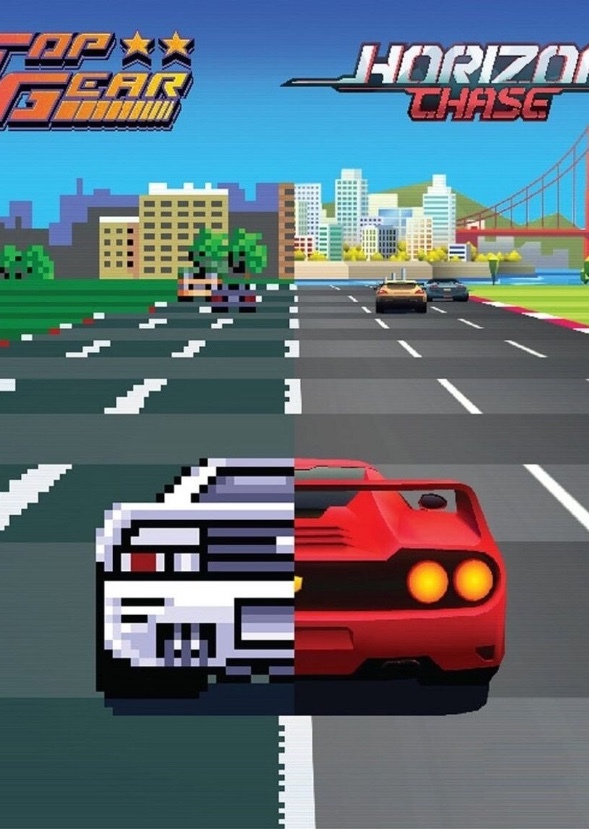
A spiritual successor is a type of follow-up work that isn’t directly connected to the original story or universe, but still carries forward its essence through similar themes, style, and ideas—essentially acting as a sequel “in spirit.” Creators may do this for many reasons: to pay homage while avoiding legal ties, to continue exploring familiar creative ground without risking a direct sequel, or simply because their artistic voice naturally echoes past work. This concept appears across many forms of media, though it’s especially common in video games, where developers may retain the tools and design philosophy of a past project even if they no longer hold the rights to its name or characters. A related concept is the spiritual adaptation, where a work in one medium closely mirrors the tone and structure of another, almost feeling like an unofficial adaptation. Spiritual successors can sometimes feel like rebranded continuations of ideas from older or discontinued franchises, effectively serving as a kind of creative reincarnation. They often overlap with ideas like unofficial counterparts or heavily inspired works, and can even share the same creative teams. While they celebrate and evolve what came before, they stand apart as independent creations, occasionally even contrasting with or redefining the works that inspired them.