male
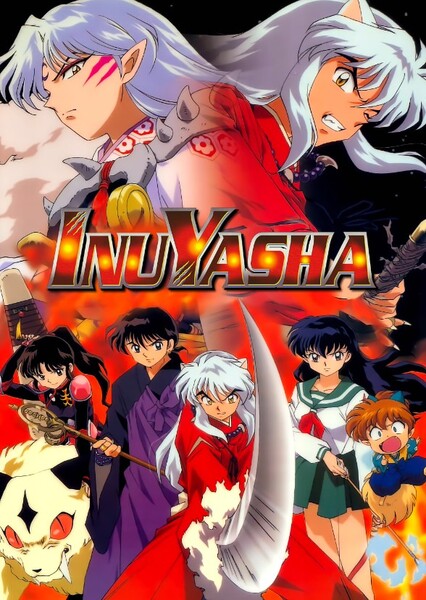
Inuyasha (犬夜叉, lit. "Dog Yaksha") is a Japanese manga series written and illustrated by Rumiko Takahashi. The series begins with Kagome Higurashi, a fifteen-year-old middle school girl from modern-day Tokyo who is transported to the Sengoku period after falling into a well in her family shrine, where she meets the half-dog demon, half-human Inuyasha. After the sacred Shikon Jewel re-emerges from deep inside Kagome's body, she accidentally shatters it into dozens of fragments that scatter across Japan. Inuyasha and Kagome set to recover the Jewel's fragments, and through their quest they are joined by the lecherous monk Miroku, the demon slayer Sango, and the fox demon Shippo. Together, they journey to restore the Shikon Jewel before it falls into the hands of the evil half-demon Naraku. Inuyasha was serialized in Shogakukan's Weekly Shōnen Sunday from November 1996 to June 2008, with its chapters collected into 56 tankōbon volumes by Shogakukan. In contrast to the typically comedic nature of much of Takahashi's previous work, Inuyasha deals with a darker and more serious subject matter, using the setting of the Sengoku period to easily display the violent content while still retaining some comedic elements. The manga was adapted into two anime television series produced by Sunrise. The first was broadcast for 167 episodes on Yomiuri TV from October 2000 to September 2004. The second series, Inuyasha: The Final Act, ran for 26 episodes from October 2009 to March 2010, covering the rest of the manga series. Four feature films and an original video animation have also been released. Other merchandise includes video games and a light novel. A sequel anime television series titled Yashahime: Princess Half-Demon premiered in October 2020. Viz Media licensed the manga, the two anime series, and movies for North America. Both Inuyasha and Inuyasha: The Final Act aired in the United States on Adult Swim (and later on its revived Toonami block) from 2002 to 2015. The manga series had over 50 million copies in circulation as of September 2020. In 2002, the manga won the 47th Shogakukan Manga Award for the shōnen category.
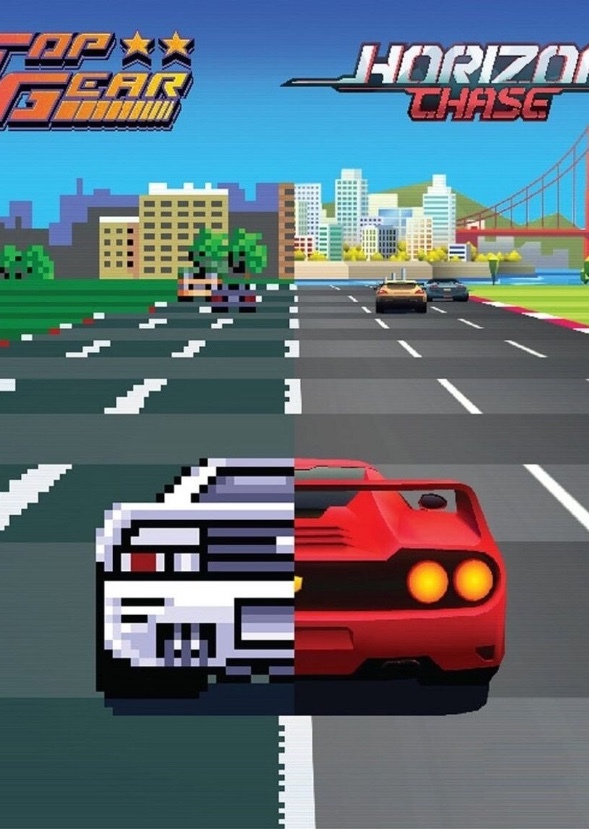
A spiritual successor is a type of follow-up work that isn’t directly connected to the original story or universe, but still carries forward its essence through similar themes, style, and ideas—essentially acting as a sequel “in spirit.” Creators may do this for many reasons: to pay homage while avoiding legal ties, to continue exploring familiar creative ground without risking a direct sequel, or simply because their artistic voice naturally echoes past work. This concept appears across many forms of media, though it’s especially common in video games, where developers may retain the tools and design philosophy of a past project even if they no longer hold the rights to its name or characters. A related concept is the spiritual adaptation, where a work in one medium closely mirrors the tone and structure of another, almost feeling like an unofficial adaptation. Spiritual successors can sometimes feel like rebranded continuations of ideas from older or discontinued franchises, effectively serving as a kind of creative reincarnation. They often overlap with ideas like unofficial counterparts or heavily inspired works, and can even share the same creative teams. While they celebrate and evolve what came before, they stand apart as independent creations, occasionally even contrasting with or redefining the works that inspired them.