Age: 21
Avatar: The Last Airbender, known as Avatar: The Legend of Aang in some regions, is an American animated television series produced by Nickelodeon Animation Studios. It was co-created by Michael Dante DiMartino and Bryan Konietzko, with Aaron Ehasz as head writer. It aired on Nickelodeon for three seasons, from February 2005 to July 2008.[2] Avatar is set in an Asiatic-like world in which some people can manipulate one of the four elements—water, earth, fire, or air—with telekinetic variants of the Chinese martial arts known as "bending". The only individual who can bend all four elements, the "Avatar", is responsible for maintaining harmony between the world's four nations, and serves as the bridge between the spirit world and the physical world. The show is presented in a style that combines anime with American cartoons, and relies on the imagery of mainly East Asian culture, with some South Asian, New World, and Inuit and Sireniki influences. The series is centered around the journey of 12-year-old Aang, the current Avatar and last survivor of his nation, the Air Nomads, along with his friends Katara, Sokka, and later Toph, as they strive to end the Fire Nation's war against the other nations of the world. It also follows the story of Zuko—the exiled prince of the Fire Nation, seeking to restore his lost honor by capturing Aang, accompanied by his wise uncle Iroh—and later, that of his ambitious sister Azula. Avatar: The Last Airbender was commercially successful and acclaimed by audiences and critics, who lauded its characters, cultural references, art direction, soundtrack, humor, and themes. These include concepts rarely touched on in youth entertainment, such as war, genocide, imperialism, totalitarianism, and free choice.[3] It won five Annie Awards, a Genesis Award, a Primetime Emmy Award, a Kids' Choice Award, and a Peabody Award. Avatar has often been regarded as one of the greatest (animated) television series of all time. The extended Avatar franchise includes an ongoing comics series, a prequel novel series, an animated sequel series, and a live-action film, as well as an upcoming live-action remake of the show produced for Netflix.[4] The complete series was released on Blu-ray in June 2018 in honor of the 10th anniversary of its finale,[5] and was made available to stream on Netflix in the United States in May 2020,[6] on Paramount+ in June 2020,[7] and on Prime Video in January 2021.[8]
Avatar: The Last Airbender

Ronin
for Ronin in Spiritual Successor
Suggested by toonking1985
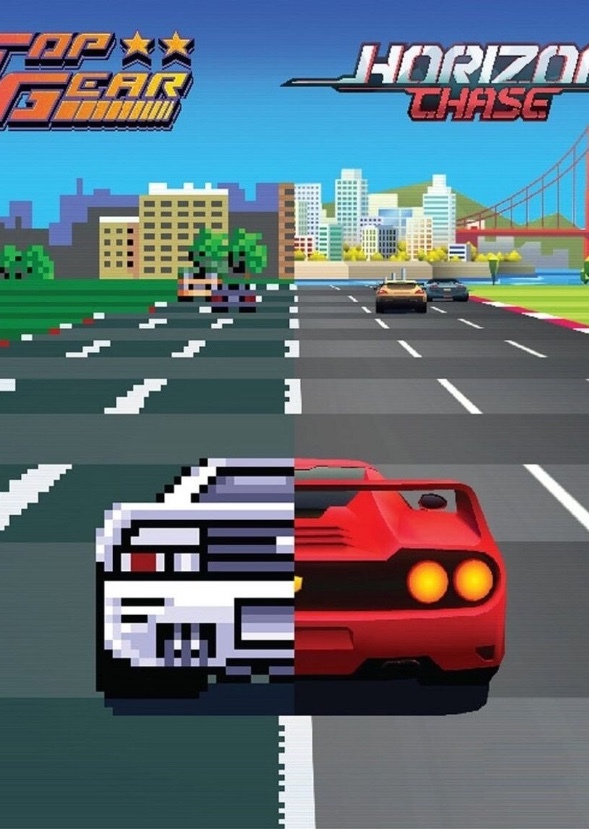
A spiritual successor is a type of follow-up work that isn’t directly connected to the original story or universe, but still carries forward its essence through similar themes, style, and ideas—essentially acting as a sequel “in spirit.” Creators may do this for many reasons: to pay homage while avoiding legal ties, to continue exploring familiar creative ground without risking a direct sequel, or simply because their artistic voice naturally echoes past work. This concept appears across many forms of media, though it’s especially common in video games, where developers may retain the tools and design philosophy of a past project even if they no longer hold the rights to its name or characters. A related concept is the spiritual adaptation, where a work in one medium closely mirrors the tone and structure of another, almost feeling like an unofficial adaptation. Spiritual successors can sometimes feel like rebranded continuations of ideas from older or discontinued franchises, effectively serving as a kind of creative reincarnation. They often overlap with ideas like unofficial counterparts or heavily inspired works, and can even share the same creative teams. While they celebrate and evolve what came before, they stand apart as independent creations, occasionally even contrasting with or redefining the works that inspired them.