Neon Genesis Evangelion[5] (Japanese: 新世紀エヴァンゲリオン, Hepburn: Shinseiki Evangerion, lit. "New Century Gospel") is a Japanese mecha anime television series produced by Gainax and animated by Tatsunoko, directed by Hideaki Anno and broadcast on TV Tokyo from October 1995 to March 1996. The cast included Megumi Ogata as Shinji Ikari, Kotono Mitsuishi as Misato Katsuragi, Megumi Hayashibara as Rei Ayanami, and Yūko Miyamura as Asuka Langley Soryu. Music for the series was composed by Shirō Sagisu. Evangelion is set fifteen years after a worldwide cataclysm, particularly in the futuristic fortified city of Tokyo-3. The protagonist is Shinji, a teenage boy who was recruited by his father Gendo to the shadowy organization Nerv to pilot a giant bio-machine mecha named "Evangelion" into combat against beings called "Angels". The series explores the experiences and emotions of Evangelion pilots and members of Nerv as they try to prevent Angels from causing more cataclysms. In the process, they are called upon to understand the ultimate causes of events and the motives for human action.[6] It recasts the saintly inventor/father as a sinister figure, and the enthusiastic teenage protagonist as a vacillating introvert, a deconstruction of classic mecha anime tropes.[7] The series features archetypal imagery derived from Shinto cosmology as well as Jewish and Christian mystical traditions, including Midrashic tales and Kabbalah. The psychoanalytic theories of Freud and Jung also feature prominently.[8] Neon Genesis Evangelion received critical acclaim but also garnered controversy.[9] Particularly controversial were the last two episodes of the show. In 1997 Hideaki Anno and Gainax released the feature film The End of Evangelion, showing the ending from a different perspective. The original TV series led to a rebirth of the anime industry and has become a cultural icon. Film, manga, home video, and other products in the Evangelion franchise have achieved record sales in Japanese markets and strong sales in overseas markets, with related goods selling over ¥150 billion by 2007 and Evangelion pachinko machines selling ¥700 billion by 2015.
Neon Genesis Evangelion
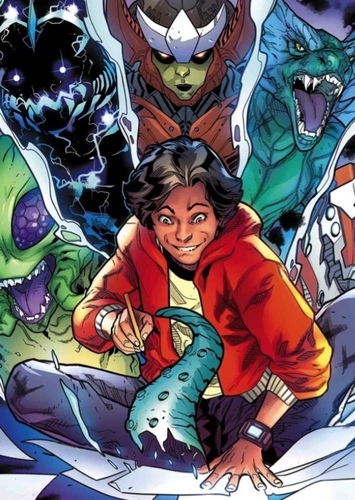
Kid Kaiju (MCU TV Series)
for Kid Kaiju (MCU TV Series) in Spiritual Successor
Suggested by toonking1985
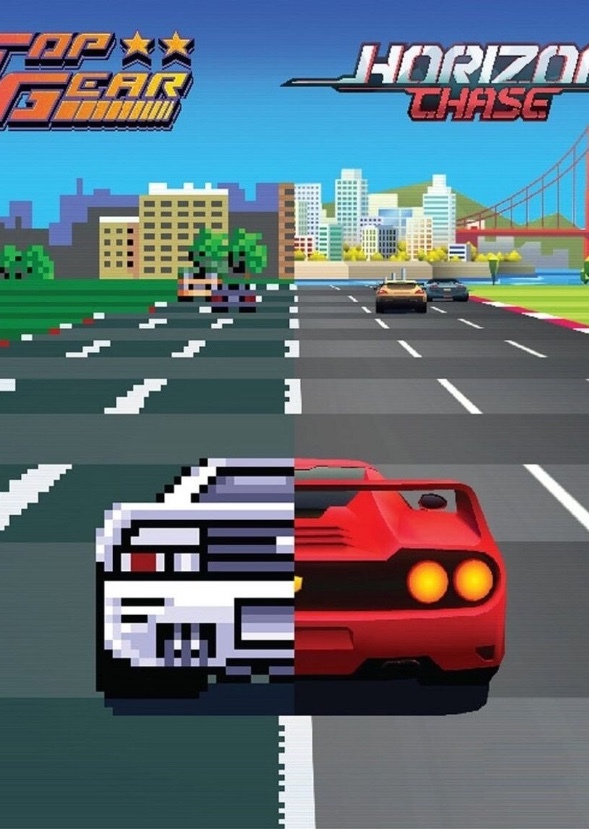
A spiritual successor is a type of follow-up work that isn’t directly connected to the original story or universe, but still carries forward its essence through similar themes, style, and ideas—essentially acting as a sequel “in spirit.” Creators may do this for many reasons: to pay homage while avoiding legal ties, to continue exploring familiar creative ground without risking a direct sequel, or simply because their artistic voice naturally echoes past work. This concept appears across many forms of media, though it’s especially common in video games, where developers may retain the tools and design philosophy of a past project even if they no longer hold the rights to its name or characters. A related concept is the spiritual adaptation, where a work in one medium closely mirrors the tone and structure of another, almost feeling like an unofficial adaptation. Spiritual successors can sometimes feel like rebranded continuations of ideas from older or discontinued franchises, effectively serving as a kind of creative reincarnation. They often overlap with ideas like unofficial counterparts or heavily inspired works, and can even share the same creative teams. While they celebrate and evolve what came before, they stand apart as independent creations, occasionally even contrasting with or redefining the works that inspired them.