
Mary Poppins is a 1964 American musical fantasy film directed by Robert Stevenson and produced by Walt Disney, with songs written and composed by the Sherman Brothers. The screenplay is by Bill Walsh and Don DaGradi, based on P. L. Travers's book series Mary Poppins. The film, which combines live-action and animation, stars Julie Andrews in her feature film debut as Mary Poppins, who visits a dysfunctional family in London and employs her unique brand of lifestyle to improve the family's dynamic. Dick Van Dyke, David Tomlinson, and Glynis Johns are featured in supporting roles. The film was shot entirely at the Walt Disney Studios in Burbank, California, using painted London background scenes.[7] Mary Poppins was released on August 27, 1964, to critical acclaim and commercial success. It became the highest-grossing film of 1964 and, at the time of its release, was Disney's highest-grossing film ever. It received a total of 13 Academy Awards nominations, including Best Picture – a record for any film released by Walt Disney Studios – and won five: Best Actress for Andrews, Best Film Editing, Best Original Music Score, Best Visual Effects, and Best Original Song for "Chim Chim Cher-ee". In 2013, the film was selected for preservation in the United States National Film Registry by the Library of Congress as being "culturally, historically, or aesthetically significant".[8] Mary Poppins is considered Walt Disney's crowning live-action achievement, and is the only one of his films which earned a Best Picture nomination during his lifetime.[7] A sequel, Mary Poppins Returns, was released on December 19, 2018.[9][10]
Mary Poppins (film)
House on Goodwill
for House on Goodwill in Spiritual Successor
Suggested by toonking1985
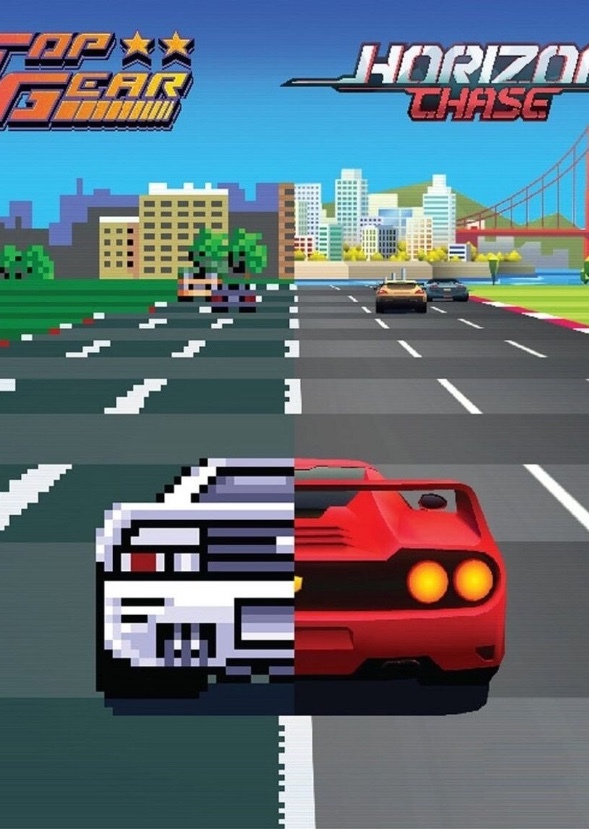
A spiritual successor is a type of follow-up work that isn’t directly connected to the original story or universe, but still carries forward its essence through similar themes, style, and ideas—essentially acting as a sequel “in spirit.” Creators may do this for many reasons: to pay homage while avoiding legal ties, to continue exploring familiar creative ground without risking a direct sequel, or simply because their artistic voice naturally echoes past work. This concept appears across many forms of media, though it’s especially common in video games, where developers may retain the tools and design philosophy of a past project even if they no longer hold the rights to its name or characters. A related concept is the spiritual adaptation, where a work in one medium closely mirrors the tone and structure of another, almost feeling like an unofficial adaptation. Spiritual successors can sometimes feel like rebranded continuations of ideas from older or discontinued franchises, effectively serving as a kind of creative reincarnation. They often overlap with ideas like unofficial counterparts or heavily inspired works, and can even share the same creative teams. While they celebrate and evolve what came before, they stand apart as independent creations, occasionally even contrasting with or redefining the works that inspired them.




