
The Good Dinosaur is a 2015 American computer-animated adventure film[7] produced by Pixar Animation Studios and distributed by Walt Disney Studios Motion Pictures. The film was Peter Sohn's directorial debut. It was written by Meg LeFauve from an original idea by Bob Peterson, and it stars Raymond Ochoa, Jack Bright, Steve Zahn, Sam Elliott, Anna Paquin, A. J. Buckley, Frances McDormand, and Jeffrey Wright. The film explores the alternate history where non-avian dinosaurs never became extinct, following a young, timid Apatosaurus named Arlo, who meets an unlikely human friend while traveling through a dangerous and mysterious landscape. In 2009, Peterson came up with the idea of exploring what dinosaurs represent in the present day. During its production, the team encountered various problems, which led to multiple story revisions, as well as changing directors and voice cast. To create a realistic background for the film, the team traveled to various American landscapes, which were later incorporated into the film. Arlo is designed to look distinct and relatable, in order to connect with audiences. In addition, the film pays homage to Western genre in its themes, character representation, and western North American landscapes. The Good Dinosaur premiered on November 10, 2015, in Paris, and was released in the United States on November 25, 2015. Sanjay's Super Team was shown prior to theatrical screenings. The film garnered generally positive reviews from critics for its themes and realism (which earned it various accolades), though its storytelling was not considered to be up to Pixar's standards. It grossed $332.2 million on a $175–200 million budget, making it Pixar's first box-office bomb.
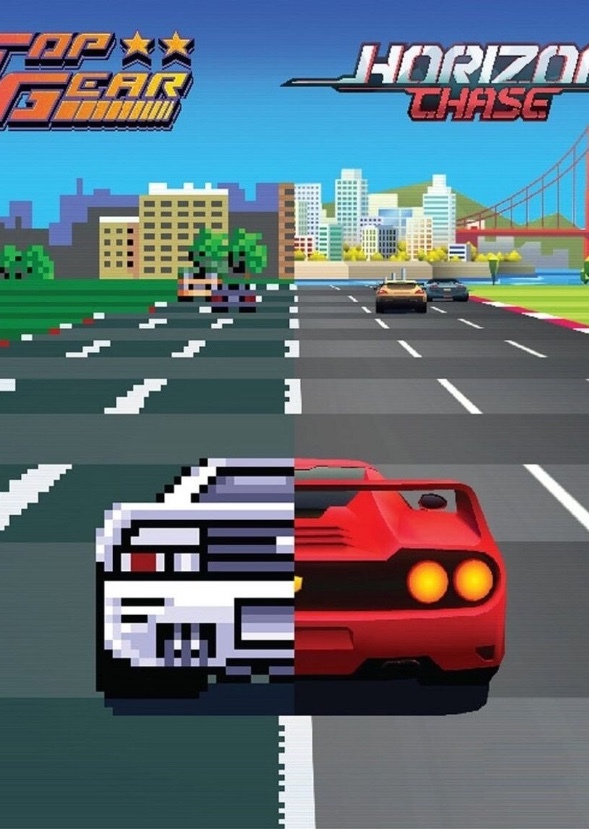
A spiritual successor is a type of follow-up work that isn’t directly connected to the original story or universe, but still carries forward its essence through similar themes, style, and ideas—essentially acting as a sequel “in spirit.” Creators may do this for many reasons: to pay homage while avoiding legal ties, to continue exploring familiar creative ground without risking a direct sequel, or simply because their artistic voice naturally echoes past work. This concept appears across many forms of media, though it’s especially common in video games, where developers may retain the tools and design philosophy of a past project even if they no longer hold the rights to its name or characters. A related concept is the spiritual adaptation, where a work in one medium closely mirrors the tone and structure of another, almost feeling like an unofficial adaptation. Spiritual successors can sometimes feel like rebranded continuations of ideas from older or discontinued franchises, effectively serving as a kind of creative reincarnation. They often overlap with ideas like unofficial counterparts or heavily inspired works, and can even share the same creative teams. While they celebrate and evolve what came before, they stand apart as independent creations, occasionally even contrasting with or redefining the works that inspired them.




