
Deinosuchus (/ˌdaɪnəˈsjuːkəs/) is an extinct genus of crocodilian related to the modern alligator that lived 82 to 73 million years ago (Ma), during the late Cretaceous period. The name translates as "terrible crocodile" and is derived from the Greek deinos (δεινός), "terrible", and soukhos (σοῦχος), "crocodile". The first remains were discovered in North Carolina (United States) in the 1850s; the genus was named and described in 1909. Additional fragments were discovered in the 1940s and were later incorporated into an influential, though inaccurate, skull reconstruction at the American Museum of Natural History. Knowledge of Deinosuchus remains incomplete, but better cranial material found in recent years has expanded scientific understanding of this massive predator. Sometimes known as the saltwater crocodile of prehistoric times, it had the strongest bite force in the world at approximately 23,000 PSI (1,617 KG/CM2). Although Deinosuchus was far larger than any modern crocodile or alligator, with the largest adults measuring 12 meters (39 ft) in total length, its overall appearance was fairly similar to its smaller relatives. It had large, robust teeth built for crushing, and its back was covered with thick hemispherical osteoderms. One study indicated Deinosuchus may have lived for up to 50 years, growing at a rate similar to that of modern crocodilians, but maintaining this growth over a much longer time. Deinosuchus fossils have been described from 10 U.S. states, including Texas, Montana, and many along the East Coast. Fossils have also been found in northern Mexico. It lived on both sides of the Western Interior Seaway, and was an opportunistic apex predator in the coastal regions of eastern North America. Deinosuchus reached its largest size in its western habitat, but the eastern populations were far more abundant. Opinion remains divided as to whether these two populations represent separate species. Deinosuchus was probably capable of killing and eating large dinosaurs. It may have also fed upon sea turtles, fish, and other aquatic and terrestrial prey.
Deinosuchus

Vertebrate Embryos
for Vertebrate Embryos in Sonic in Jurassic Park (Version 4)
Suggested by alecgroskreutz1
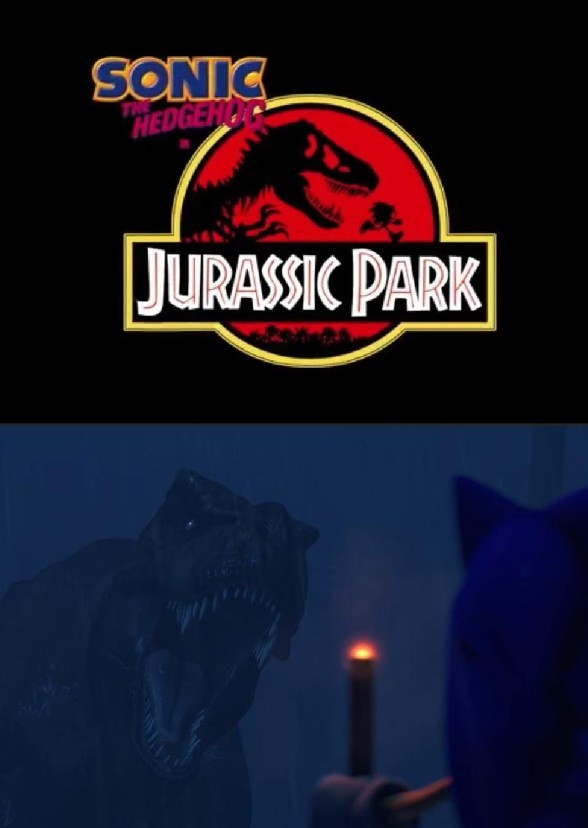
Sonic in Jurassic Park is about when Reed Hammond the second grandson of John Hammond was inviting Sonic, Tails, Tempest, Knuckles, Amy Rose, Tangle, Whisper, Vector, Espio, Charmy, with Fastidious Beaver, Tom and Megan Wachowski, and Alejandro Hayek, and of course Conker the Squirrel who did survived from get eatting by the Shark and already landed on Isla Nublar from Sonic in Jaws. And also the return of the sam character from Jurassic Park, and The Lost World Jurassic Park Dr. Ian Malcolm to Isla Nublar. Since after 30 years during the incidents on Isla Nublar, Reed was now the new head of both InGen and Jurassic Park, because like his grandfather he build the park, breed dinosaurs, and entertain people, espucally Rexy the T-Rex herself was recaptured after she was escaped and roamed free on the island 30 years ago.




