
Carnotaurus (/ˌkɑːrnoʊˈtɔːrəs/; lit. 'meat bull') is a genus of theropod dinosaur that lived in South America during the Late Cretaceous period, probably sometime between 71 and 69 million years ago. The only species is Carnotaurus sastrei. Known from a single well-preserved skeleton, it is one of the best-understood theropods from the Southern Hemisphere. The skeleton, found in 1984, was uncovered in the Chubut Province of Argentina from rocks of the La Colonia Formation. Carnotaurus is a derived member of the Abelisauridae, a group of large theropods that occupied the large predatorial niche in the southern landmasses of Gondwana during the late Cretaceous. Within the Abelisauridae, the genus is often considered a member of the Brachyrostra, a clade of short-snouted forms restricted to South America. Carnotaurus was a lightly built, bipedal predator, measuring 7.5 to 8 m (24.6 to 26.2 ft) in length and weighing 1.3–2.1 metric tons (1.4–2.3 short tons; 1.3–2.1 long tons). As a theropod, Carnotaurus was highly specialized and distinctive. It had thick horns above the eyes, a feature unseen in all other carnivorous dinosaurs, and a very deep skull sitting on a muscular neck. Carnotaurus was further characterized by small, vestigial forelimbs and long, slender hind limbs. The skeleton is preserved with extensive skin impressions, showing a mosaic of small, non-overlapping scales approximately 5 mm in diameter. The mosaic was interrupted by large bumps that lined the sides of the animal, and there are no hints of feathers. The distinctive horns and the muscular neck may have been used in fighting conspecifics. According to separate studies, rivaling individuals may have combated each other with quick head blows, by slow pushes with the upper sides of their skulls, or by ramming each other head-on, using their horns as shock absorbers. The feeding habits of Carnotaurus remain unclear: some studies suggested the animal was able to hunt down very large prey such as sauropods, while other studies found it preyed mainly on relatively small animals. Its brain cavity suggests an acute sense of smell, while hearing and sight were less well developed. Carnotaurus was probably well adapted for running and was possibly one of the fastest large theropods.
Carnotaurus

Vertabrate Embryos
for Vertabrate Embryos in Sonic in Jurassic Park (Version 4)
Suggested by alecgroskreutz1
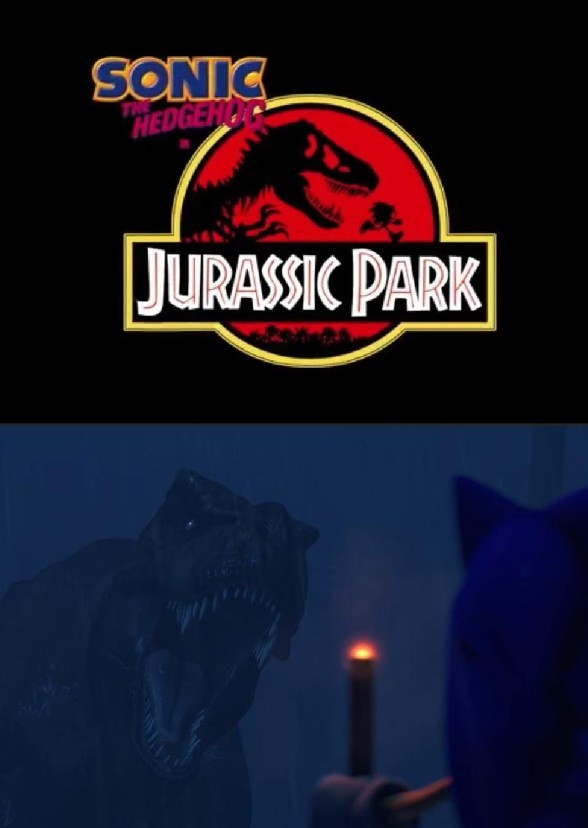
Sonic in Jurassic Park is about when Reed Hammond the second grandson of John Hammond was inviting Sonic, Tails, Tempest, Knuckles, Amy Rose, Tangle, Whisper, Vector, Espio, Charmy, with Fastidious Beaver, Tom and Megan Wachowski, and Alejandro Hayek, and of course Conker the Squirrel who did survived from get eatting by the Shark and already landed on Isla Nublar from Sonic in Jaws. And also the return of the sam character from Jurassic Park, and The Lost World Jurassic Park Dr. Ian Malcolm to Isla Nublar. Since after 30 years during the incidents on Isla Nublar, Reed was now the new head of both InGen and Jurassic Park, because like his grandfather he build the park, breed dinosaurs, and entertain people, espucally Rexy the T-Rex herself was recaptured after she was escaped and roamed free on the island 30 years ago.




