
Age: 65
male
Aaron Benjamin Sorkin (born June 9, 1961) is an American screenwriter, playwright and film director. Born in New York City, he developed a passion for writing early on. As a writer for stage, television, and film, Sorkin is recognised for his trademark fast-paced dialogue and extended monologues, complemented by frequent use of the "walk and talk" storytelling technique. Sorkin has earned numerous accolades, including an Academy Award, a BAFTA Award, five Primetime Emmy Awards, and three Golden Globes. Sorkin rose to prominence as a writer-creator and showrunner of the television series Sports Night (1998–2000), The West Wing (1999–2006), Studio 60 on the Sunset Strip (2006–07), and The Newsroom (2012–14). He is also known for his work on Broadway, including the plays A Few Good Men (1989), The Farnsworth Invention (2007), To Kill a Mockingbird (2018), and the revival of Lerner and Loewe's musical Camelot (2023). He wrote the film screenplays for A Few Good Men (1992), The American President (1995), and several biopics, including Charlie Wilson's War (2007), Moneyball (2011), and Steve Jobs (2015). For writing The Social Network (2010), he won the Academy Award for Best Adapted Screenplay. He made his directorial film debut with Molly's Game (2017), followed by The Trial of the Chicago 7 (2020) and Being the Ricardos (2021). Description above from the Wikipedia article Aaron Sorkin, licensed under CC-BY-SA, full list of contributors on Wikipedia.
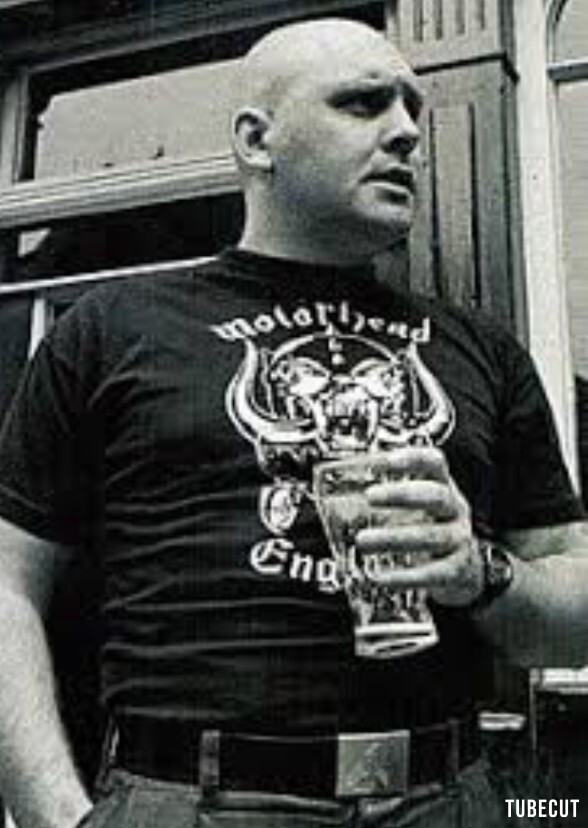
Set against the backdrop of post-punk Britain, "Skrewdriver: The Sound of Hate" tells the gripping, true-life story of Ian Stuart Donaldson, the charismatic yet deeply divisive figure behind the band Skrewdriver. Initially celebrated for his raw musical talent, Donaldson’s music would later become synonymous with a toxic ideology. His transformation from punk prodigy to the face of a neo-Nazi movement is a tragic reflection of the socio-political tensions of the era. Through the film, audiences will see Donaldson’s complex character unfold: a man driven by a mix of frustration with the system, a desire for belonging, and an unrelenting sense of personal defiance. We witness his rise as a punk icon whose music spoke to disaffected youth, only to be tainted by his growing involvement with the far-right, culminating in the formation of the Blood & Honour network. His path to fame through “white power” concerts and the creation of a subculture based on hate and division is both fascinating and horrifying, showing the dangers of manipulation and radicalization. In an intimate and unflinching portrait, the film explores how Donaldson's personal demons and desire for influence intersect with a political movement that thrived on the fringes of society. With Skrewdriver’s music serving as both a backdrop and a tool for his message, the film delves deep into the psychological and emotional forces that drove Donaldson and his followers to embrace violence and extremism.



