
Age: 71
male
Brendan Gleeson (born 29 March 1955) is an Irish actor and film director. He is the recipient of three IFTA Awards, two BIFA's, and a Primetime Emmy Award and has been nominated twice for a BAFTA Award, five times for a Golden Globe Award and once for an Academy Award. In 2020, he was listed at number 18 on The Irish Times list of Ireland's greatest film actors. He is the father of actors Domhnall Gleeson and Brian Gleeson. He is best known for his performance as Alastor Moody in the Harry Potter films (2005–2010). He is also known for his supporting roles in films such as Braveheart (1995), Michael Collins (1996), 28 Days Later (2002), Gangs of New York (2002), Cold Mountain (2003), Troy (2004), Suffragette (2015), Paddington 2 (2017), The Ballad of Buster Scruggs (2018), and The Tragedy of Macbeth (2021). He is also known for his leading roles in films such as The General (1998), In Bruges (2008), The Guard (2011), Calvary (2014), Frankie (2019), and The Banshees of Inisherin (2022). He received a nomination for the Academy Award for Best Supporting Actor for the lattermost film. He won an Primetime Emmy Award in 2009 for his portrayal of Winston Churchill in the television film Into the Storm. He also received a Golden Globe Award nomination for his performance as Donald Trump in the Showtime series The Comey Rule (2020). From 2017 to 2019 he starred in the crime series Mr. Mercedes. He received an Emmy Award nomination for Stephen Frears' Sundance TV series State of the Union (2022).
Brendan Gleeson

Henry Dearborn
for Henry Dearborn in Shores of Tripoli
Suggested by rileycrane
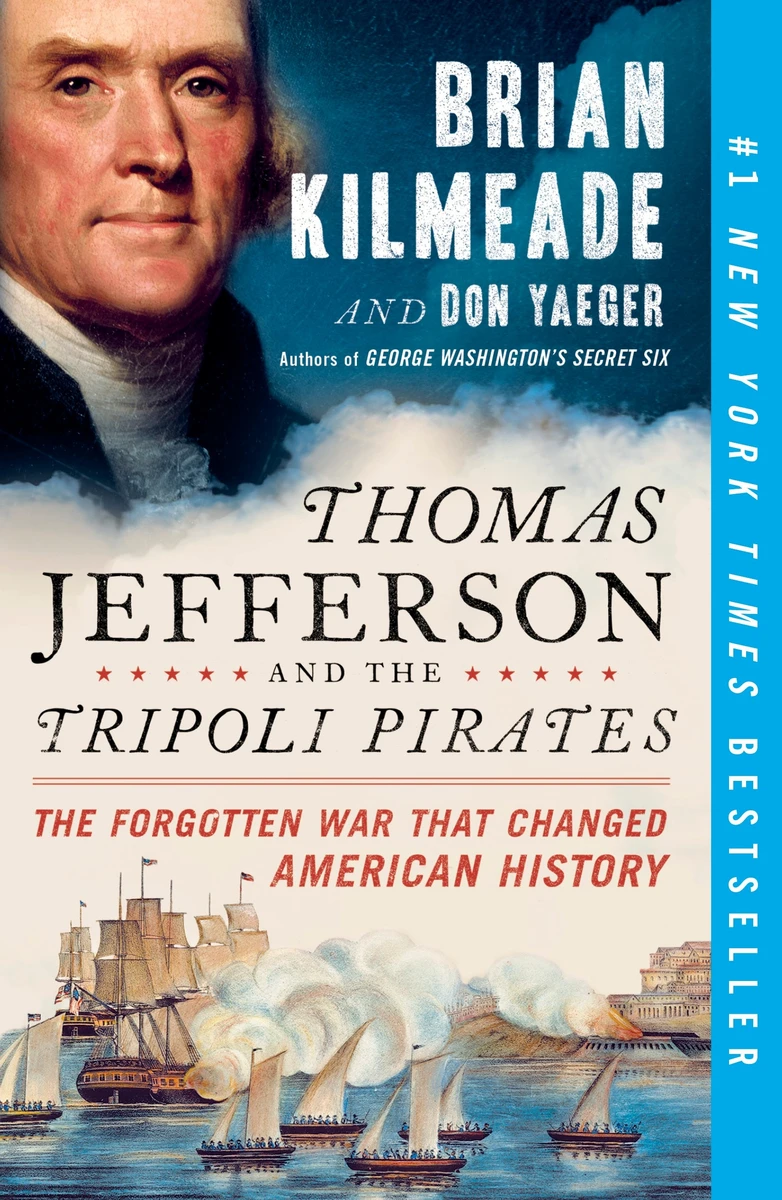
"The first American war overseas. A captured ship. Hostages. A desperate mission across the desert. The battle that created the Marines' legend." When Thomas Jefferson became president in 1801, America was deeply in debt, with its economy and dignity under attack. Pirates from North Africa’s Barbary Coast routinely captured American merchant ships and held the sailors as slaves, demanding ransom and tribute payments far beyond what the new country could afford. For fifteen years, America had tried to work with the four Muslim powers (Tripoli, Tunis, Algiers, and Morocco) driving the piracy, but negotiation proved impossible. Realizing it was time to stand up to the intimidation, Jefferson decided to move beyond diplomacy. He sent the U.S. Navy and Marines to blockade Tripoli—launching the Barbary Wars Co-leads of Thomas Jefferson, Stephen Decatur, and Willian Eaton.

