
Age: 45
male
Benjamin John Whishaw (born 14 October 1980) is an English actor. He has received various accolades, including three British Academy Television Awards, two Emmy Awards, and a Golden Globe. Beginning his career in the 2000s, he played the title role in a 2004 production of the play Hamlet. Television roles followed this in Nathan Barley (2005), Criminal Justice (2008) and The Hour (2011–12); and film roles in Perfume: The Story of a Murderer (2006), I'm Not There (2007), Brideshead Revisited (2008), and Bright Star (2009). In 2012, Whishaw played the title role in a BBC Two adaptation of Richard II, for which he won the British Academy Television Award for Best Actor. The same year, he appeared as Q in the James Bond film Skyfall (2012), going on to reprise the role in Spectre (2015) and No Time to Die (2021). He has voiced Paddington Bear in several projects since Paddington (2014). His other film roles in the 2010s include Cloud Atlas (2012), The Lobster (2015), Suffragette (2015), The Danish Girl (2015), and Mary Poppins Returns (2018). Whishaw had a leading role in London Spy (2015). For his portrayal of Norman Scott in the miniseries A Very English Scandal (2018), he won a BAFTA, a Golden Globe Award and a Primetime Emmy Award for Outstanding Supporting Actor. In 2020, he had a leading role in the fourth season of the black comedy drama Fargo. He has since starred in the BBC medical drama series This Is Going to Hurt (2022), the short film Good Boy (2023), and the Netflix spy thriller series Black Doves (2024). Description above from the Wikipedia article Ben Whishaw, licensed under CC-BY-SA, full list of contributors on Wikipedia.
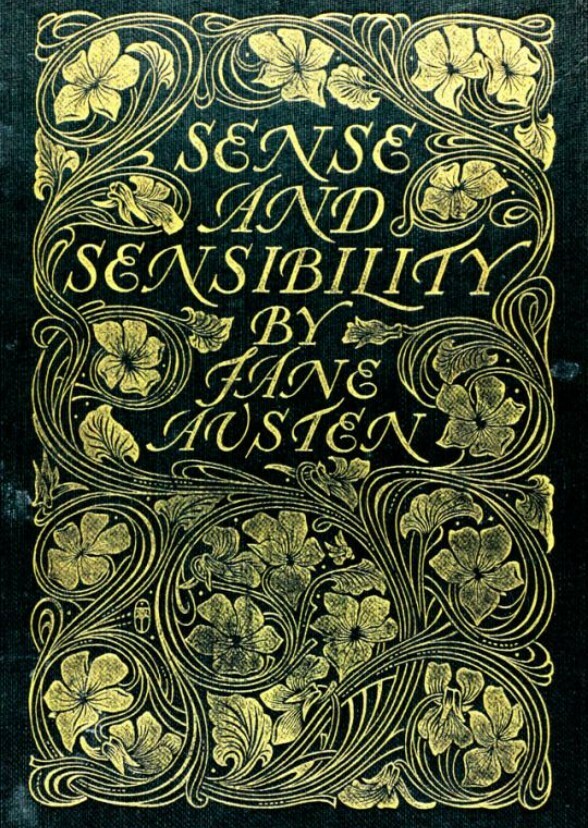
"The more I know of the world, the more am I convinced that I shall never see a man whom I can really love. I require so much!" Jane Austen's novel tells the story of Marianne Dashwood, who wears her heart on her sleeve, and when she falls in love with the dashing but unsuitable John Willoughby she ignores her sister Elinor's warning that her impulsive behaviour leaves her open to gossip and innuendo. Meanwhile Elinor, always sensitive to social convention, is struggling to conceal her own romantic disappointment, even from those closest to her. Through their parallel experience of love - and its threatened loss - the sisters learn that sense must mix with sensibility if they are to find personal happiness in a society where status and money govern the rules of love.


