
Age: 69
male
Christopher Young (born April 28, 1958) is an American composer and orchestrator of film and television scores. Many of his compositions are for horror and thriller films, including Hellraiser, Species, Urban Legend, The Grudge, The Exorcism of Emily Rose, Drag Me to Hell, Sinister, Deliver Us from Evil, and Pet Sematary. Other works include Rapid Fire, Copycat, Set It Off, Entrapment, The Hurricane, Swordfish, Ghost Rider, Spider-Man 3, and The Shipping News, for which he was nominated for a Golden Globe Award for Best Original Score. Young was honoured with the prestigious Richard Kirk Award at the 2008 BMI Film and TV Awards. The award is given annually to a composer who has made significant contributions to film and television music. Young was born in Red Bank, New Jersey. He graduated from Hampshire College in Massachusetts with a Bachelor of Arts in music and then completed his postgraduate work at the University of North Texas. In 1980, he moved to Los Angeles. Originally a jazz drummer, when he heard some of Bernard Herrmann's works, he decided to become a film composer. He studied at the UCLA Film School under David Raksin. He teaches at the Thornton School of Music of the University of Southern California. Description above from the Wikipedia article Christopher Young, licensed under CC-BY-SA, full list of contributors on Wikipedia.
Christopher Young

Composer
for Composer in Sam Raimi's The Amazing Spider-Man
Suggested by michaelcosby
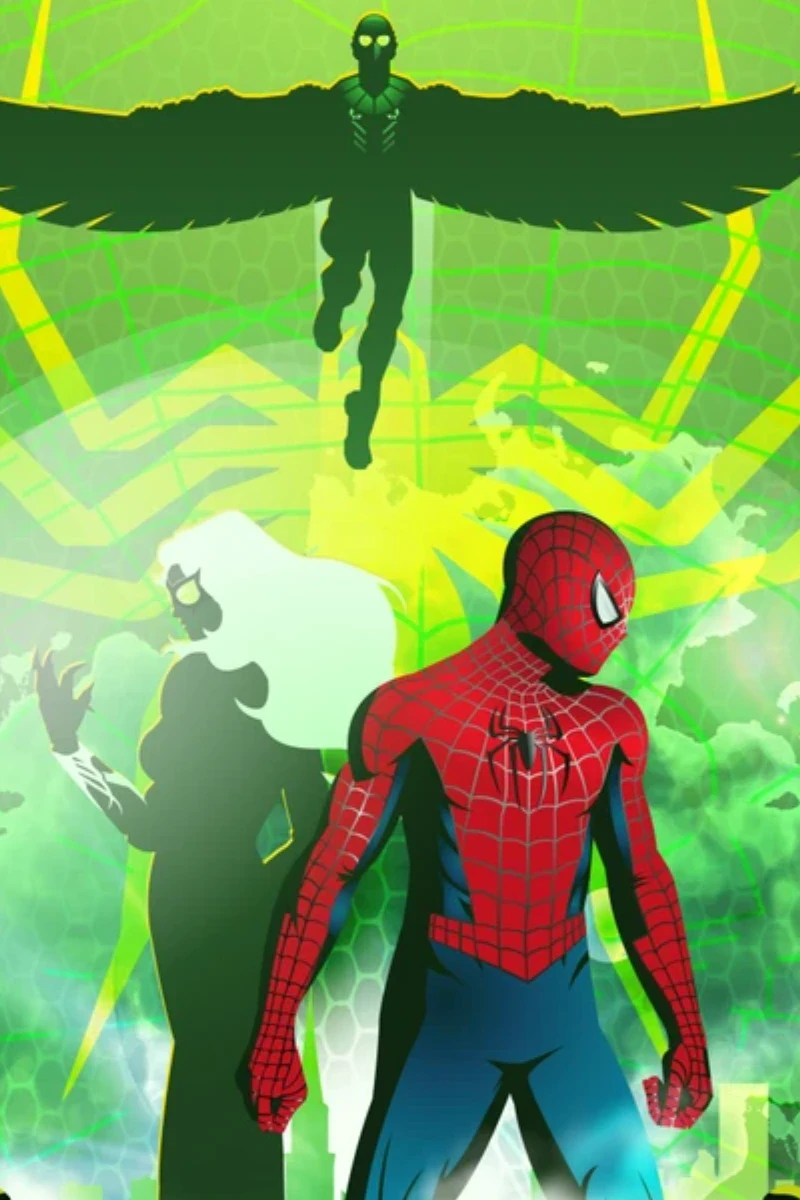
Peter Parker's world is crumbling: Mary Jane has left him, and the winged Vulture transforms a tired worker into the living lightning bolt Electro during a heist. As Spider-Man battles these threats, he finds an unlikely ally in the seductive Black Cat, secretly his new editor Felicia Hardy, whose betrayal reveals a deeper conspiracy. Meanwhile, Dr. Curt Connors' desperate experiments turn him into the Lizard, forcing Peter to confront a mentor become monster. With Aunt May's life in the balance and a new menace discovering the Goblin's abandoned lair, Peter must choose whether the mask is a burden or a duty—before the city pays the price.

