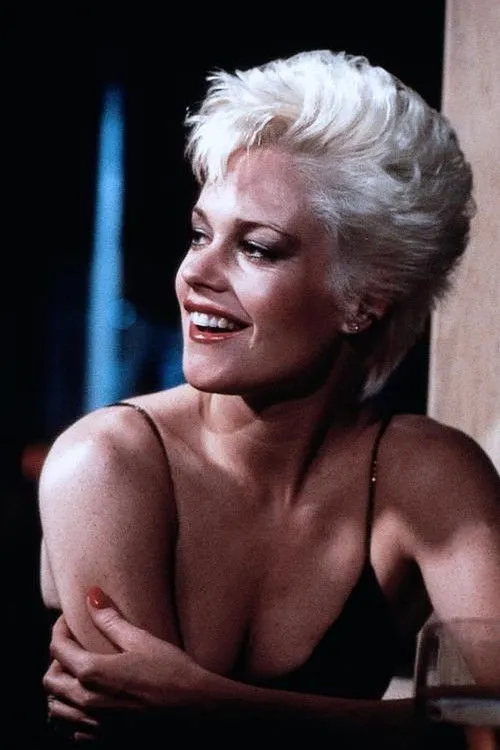
Age: 67
female
Charlene L. Tilton (born December 1, 1958, ht. 4'11") is an American actress and singer. She is widely known for playing Lucy Ewing, the niece of brothers J. R. Ewing and Bobby Ewing (played by Larry Hagman and Patrick Duffy), on the television series Dallas in the 80's. She has had a varied career in show business. She is best known for playing Lucy Ewing, the sly, vixenish, frequently frustrated granddaughter of Jock Ewing in the popular television series Dallas from 1978 to 1985 and from 1988 to 1990 and also on Knots Landing for 1 episode in 1979. She will reprise the role in the pilot of the new series. In addition to several appearances on various TV shows, she has also appeared in feature films (including a cameo appearance in the John Milius film Big Wednesday), although these garnered little attention. Tilton is also a singer, singing her own vocals on a 1978 episode of Dallas. She also released a dance-pop single "C'est La Vie" in 1984 which became a hit in several countries in Europe, including staying at #1 in Germany. She appeared on Circus of the Stars in 1979 and 1991, on one occasion acting as a knife thrower's target girl in a gold bikini. She was the guest host on Saturday Night Live on February 21, 1981. The episode in question featured a parody of the famed "Who Shot J.R.?" episode of Dallas. She did a number of commercials in the 1990s for the Abdominizer workout equipment. She appeared as herself in an episode of Married... with Children where her involvement with the "Abdominizer" was spoofed. In 2005, she appeared in the British reality TV show, The Farm. Tilton was married to country singer Johnny Lee from 1982 to 1984 and to Domenick Allen from 1985 to 1992. She has one daughter, Cherish Lee, born in 1982. From Wikipedia, the free encyclopedia.
Charlene Tilton

Tiff Wilcox
for Tiff Wilcox in Rumble Fish (1983 Genderswap)
Suggested by chris83
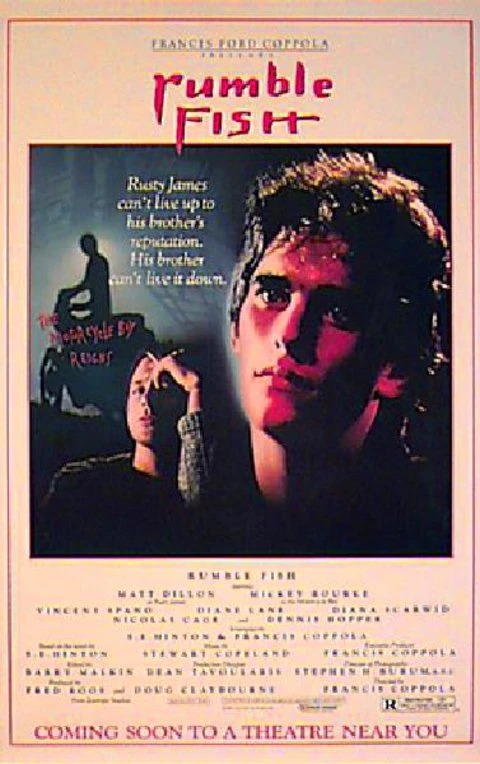
In a decaying industrial town, Ruby James is a teenage girl gang leader coasting on her reputation and the shadow of her older sister, the Motorcycle Girl—a legendary street catfighter now returned from out of state. Ruby idolizes her sister but struggles to understand her philosophical detachment from the violence that once defined her. As Ruby navigates the brutal hierarchy of street gangs, petty crime, and the search for meaning, the Motorcycle Girl emerges as a tragic figure caught between the world of rumble fish—aggressive, territorial creatures that destroy each other when confined—and the possibility of escape. Their relationship becomes a meditation on legacy, violence, and the possibility of transcendence. Set against a noir-tinged landscape of neon signs and abandoned spaces, the film explores how young girls are trapped by circumstance, reputation, and the need to prove themselves through combat. Ruby's journey toward understanding her sister's quiet rebellion becomes a coming-of-age story about recognizing that true strength might lie in refusing to fight.