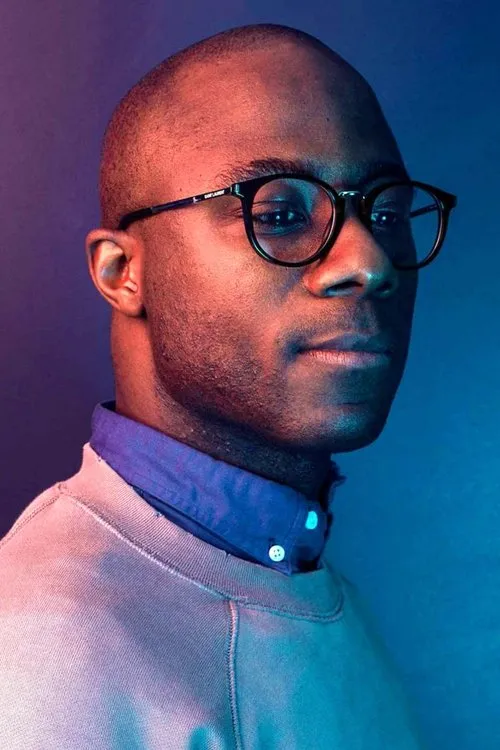
Age: 46
male
Barry Jenkins (born November 19, 1979) is an American filmmaker. After making his filmmaking debut with the short film My Josephine (2003), he directed his first feature film, Medicine for Melancholy (2008), for which he received an Independent Spirit Award nomination for Best First Feature. He is also a creative collaborator and a member of The Chopstars collective. Following an eight-year hiatus from feature filmmaking, Jenkins directed and co-wrote the LGBTQ-themed independent drama Moonlight (2016), which won numerous accolades, including the Academy Award for Best Picture. Jenkins received an Oscar nomination for Best Director and jointly won the Academy Award for Best Adapted Screenplay with Tarell Alvin McCraney. He became the fourth Black person nominated for Best Director and the second to direct a Best Picture winner. He released his third directorial feature If Beale Street Could Talk 2018, to critical praise and earned nominations for his screenplay at the Academy Awards and Golden Globes. He is also known for his work in television. In 2017, Jenkins directed "Chapter V" of the Netflix series Dear White People. In 2021, he created and directed the Amazon Video limited series The Underground Railroad, based on the novel of the same name. The series received a Primetime Emmy Award for Outstanding Directing for a Limited Series or Movie nomination and won a Peabody Award. In 2017, Jenkins was included on the annual Time 100 list of the most influential people in the world. Description above from the Wikipedia article Barry Jenkins, licensed under CC-BY-SA, full list of contributors on Wikipedia.
Barry Jenkins

Director
for Director in Rudy Lewis: The Voice That Changed the World
Suggested by kamsismith
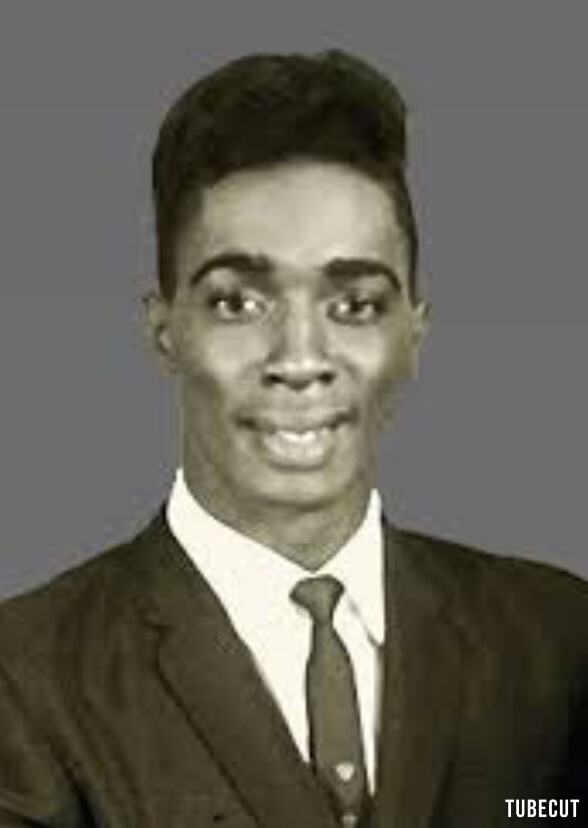
Rudy Lewis, born Charles Rudolph Harrell, was a remarkable voice in a transformative era of music, but his life was tragically cut short at the age of 27. Best known for his tenure as the lead singer of The Drifters, Rudy’s voice helped define the soul and rhythm and blues sound of the 1960s. Yet, his story is one of triumph, mystery, and profound loss, often overshadowed by his untimely passing in 1964. Rudy Lewis: The Voice That Changed the World is a poignant, dramatic portrayal of his rise from humble beginnings to stardom, offering an intimate look at the pressures of fame, the personal demons he battled, and the timeless music he left behind. The film takes audiences through Rudy's early life in Harlem, capturing his raw passion for music, his deep connection to African American musical traditions, and his struggles with being in the shadow of his more famous bandmates. His work with The Drifters, particularly on hits like "Up on the Roof" and "Under the Boardwalk," revolutionized the sound of R&B and influenced the future of popular music. The film delves into his complex relationship with the group, his battle with self-doubt, and the toll that the music industry pressures took on him.