Age: 57
male
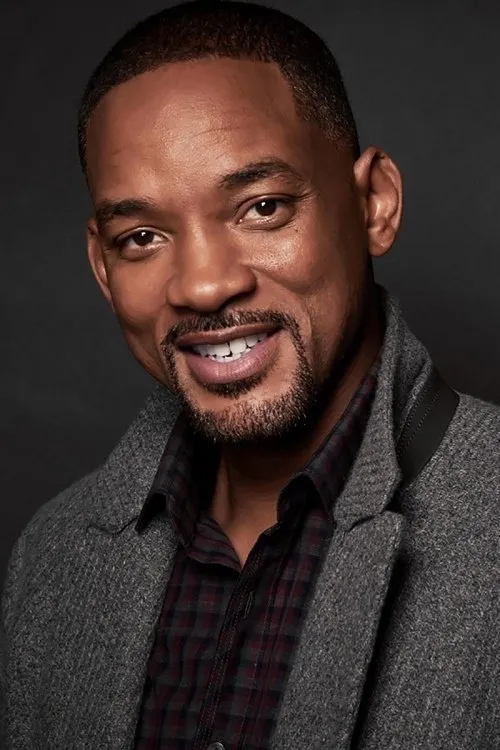
Willard Carroll Smith II (born September 25, 1968) is an American actor and rapper. Known for variety of roles, Smith has received various accolades, including an Academy Award, a British Academy Film Award and four Grammy Awards. Smith began his acting career starring as a fictionalized version of himself on the NBC sitcom The Fresh Prince of Bel-Air (1990–1996). He first gained recognition as part of a hip hop duo with DJ Jazzy Jeff, with whom he released five studio albums and the US Billboard Hot 100 top 20 singles "Parents Just Don't Understand", "A Nightmare on My Street", "Summertime", "Ring My Bell", and "Boom! Shake the Room" from 1984 to 1994. He released the solo albums Big Willie Style (1997), Willennium (1999), Born to Reign (2002), and Lost and Found (2005), which contained the US number-one singles "Gettin' Jiggy wit It" and "Wild Wild West". He has received four Grammy Awards for his rap performances. Smith achieved wider fame as a leading man in films such as the action film Bad Boys (1995), its sequels Bad Boys II (2003) and Bad Boys for Life (2020), and the sci-fi comedies Men in Black (1997), Men in Black II (2002), and Men in Black 3 (2012). After starring in the thrillers Independence Day (1996) and Enemy of the State (1998), he received Academy Award for Best Actor nominations for his portrayal as Muhammad Ali in Ali (2001), and as Chris Gardner in The Pursuit of Happyness (2006). He then starred in a range of commercially successful films, including I, Robot (2004), Shark Tale (2004), Hitch (2005), I Am Legend (2007), Hancock (2008), Seven Pounds (2008), Suicide Squad (2016) and Aladdin (2019). For his portrayal of Richard Williams in the biographical sports drama King Richard (2021), Smith won the Academy Award, BAFTA Award, Golden Globe Award, and Screen Actors Guild Award for Best Actor.
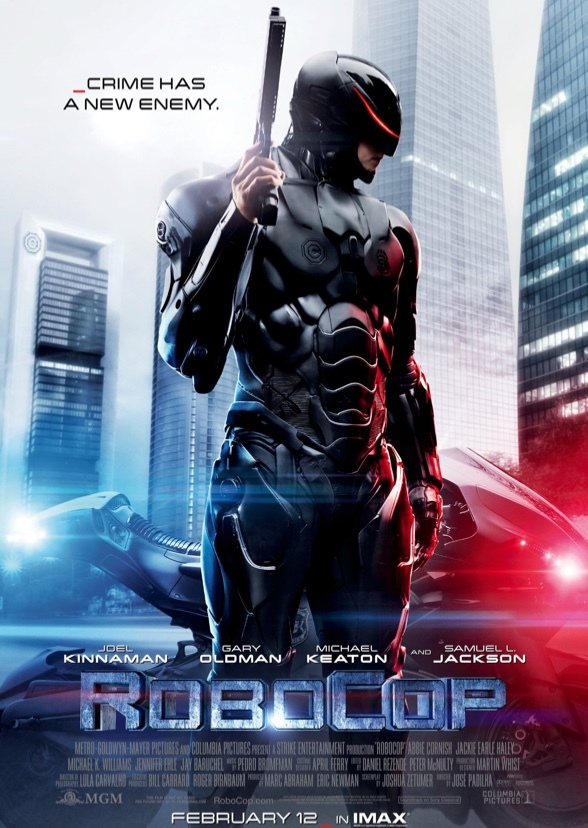
In 2028, multinational conglomerate OmniCorp revolutionizes warfare with the introduction of robotic peacekeepers capable of maintaining law and order in hot spots such as Vietnam, Iraq, Afghanistan, and Iran. Led by CEO Raymond Sellars, the company moves to market its technology to domestic law enforcement, but the passage of the Dreyfus Act, forbidding deployment of militarized drones in the United States, prevents this. Aware that most Americans oppose the use of military systems in their communities, Sellars asks Dr. Dennett Norton and his research team to create an alternative. The result is a proposal for a cyborg police officer. However, Norton informs Sellars that only someone who is stable enough to handle being a cyborg can be turned into one, and some candidates are rejected.