Age: 33
female
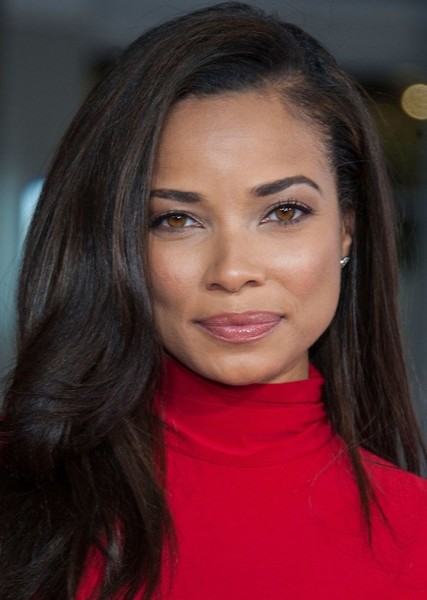
Lauren Keyana "Keke" Palmer (/ˈkiːki/ KEE-kee; born August 26, 1993) is an American actress, singer, and television personality. She has received numerous accolades, including two Primetime Emmy Awards and nominations for a Daytime Emmy Award and a Screen Actors Guild Award. Time magazine included her on its list of most influential people in the world in 2019. Palmer debuted as a child with roles in the films Barbershop 2: Back in Business and The Wool Cap (both 2004) before achieving her breakthrough role as Akeelah Anderson in the drama film Akeelah and the Bee (2006). Her career progressed with roles in films such as Madea's Family Reunion (2006), Jump In! (2007), The Longshots (2008), and Shrink (2009), and the release of her debut studio album So Uncool (2007). She rose to prominence on Nickelodeon, playing the title character in the sitcom True Jackson, VP (2008–2011), providing the voice of Aisha in the Nickelodeon revival of Winx Club (2011–2014), and headlining the television film Rags (2012). Palmer transitioned to mainstream roles with the VH1 biographical film CrazySexyCool: The TLC Story (2013) and afterwards made her Broadway debut as Ella in Rodgers + Hammerstein's Cinderella (2014–2015). She has since starred in the Fox satirical horror series Scream Queens (2015–2016), the Epix drama series Berlin Station (2017–2019), and the slasher series Scream (2019). Her film roles include Animal (2014), Pimp (2018), Hustlers (2019), Nope (2022), and One of Them Days (2025), with the last two earning her critical attention. As a singer, Palmer has released five extended plays. In addition to acting, she has hosted the talk shows Just Keke (2014) and Strahan, Sara, and Keke (2019–2020) and the game show Password since 2022. In 2024, she released her second book, Master of Me, a hybrid memoir and self-help manual. Description above from the Wikipedia article Keke Palmer, licensed under CC-BY-SA, full list of contributors on Wikipedia.

In 2028, multinational conglomerate OmniCorp revolutionizes warfare with the introduction of robotic peacekeepers capable of maintaining law and order in hot spots such as Vietnam, Iraq, Afghanistan, and Iran. Led by CEO Raymond Sellars, the company moves to market its technology to domestic law enforcement, but the passage of the Dreyfus Act, forbidding deployment of militarized drones in the United States, prevents this. Aware that most Americans oppose the use of military systems in their communities, Sellars asks Dr. Dennett Norton and his research team to create an alternative. The result is a proposal for a cyborg police officer. However, Norton informs Sellars that only someone who is stable enough to handle being a cyborg can be turned into one, and some candidates are rejected.