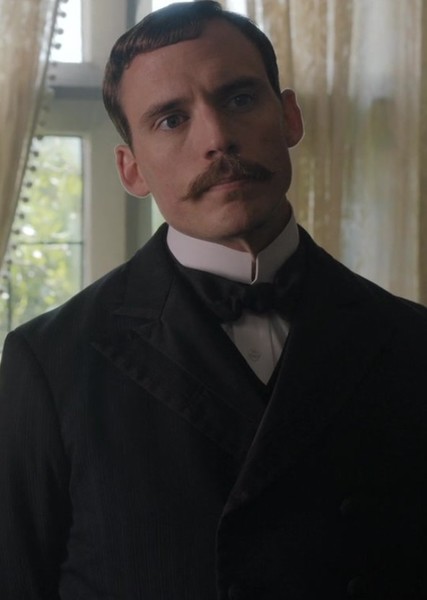
Age: 53
male
David Jude Heyworth Law (born 29 December 1972) is an English actor. He began his career in British theatre before landing small roles in various television productions and feature films. Law gained international recognition for his role in Anthony Minghella's The Talented Mr. Ripley (1999), for which he won the BAFTA Award for Best Actor in a Supporting Role and was nominated for the Academy Award in the same category. Law found further critical and commercial success in Steven Spielberg's A.I. Artificial Intelligence (2001), Sam Mendes' Road to Perdition (2002), Minghella's Cold Mountain (2003), for which he earned Academy Award and BAFTA nominations, in addition to the drama Closer (2004) and the romantic comedy The Holiday (2006). His subsequent roles were as Dr. Watson in Sherlock Holmes (2009) and Sherlock Holmes: A Game of Shadows (2011), a young Albus Dumbledore in Fantastic Beasts: The Crimes of Grindelwald (2018) and Fantastic Beasts: The Secrets of Dumbledore (2022), and Yon-Rogg in Captain Marvel (2019); all of which rank among his highest-grossing releases. Other notable films include Contagion (2011), Hugo (2011), Side Effects (2013), The Grand Budapest Hotel (2014), and Spy (2015), as well as the television series The Young Pope (2016), The New Pope (2020), and Star Wars: Skeleton Crew (2024), earning a Children's and Family Emmy Award for Outstanding Lead Performer nomination for the latter. In addition to his film work, Law has performed in several West End and Broadway productions, including Les Parents terribles in 1994, Hamlet in 2010, and Anna Christie in 2011. These earned him nominations for two Tony Awards. He has also been awarded the Honorary César and was named a knight of the Order of Arts and Letters by the French government. Description above from the Wikipedia article Jude Law, licensed under CC-BY-SA, full list of contributors on Wikipedia.
Jude Law

Nikolai II. Alexandrovich Romanov
for Nikolai II. Alexandrovich Romanov in Revolution
Suggested by darksith
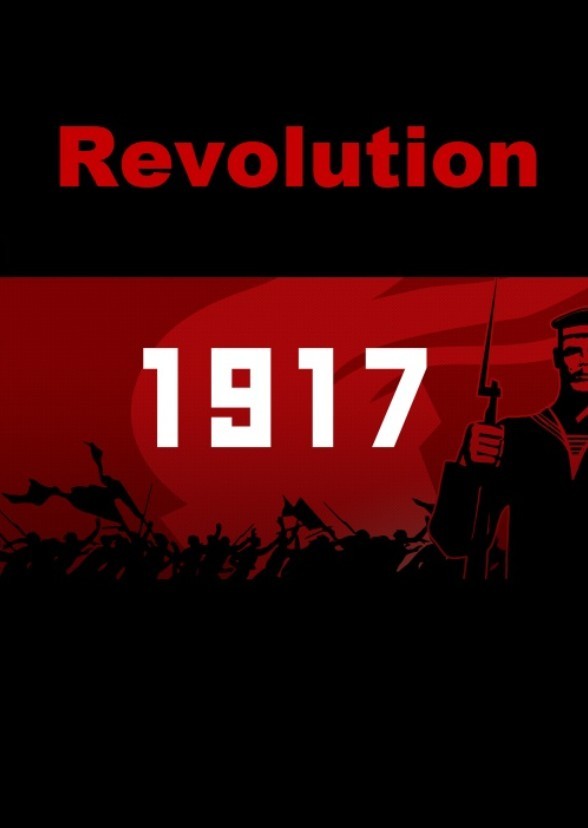
At the beginning of 1917, the so-called "February Revolution" broke out in Russia and the last Russian Tsar Nicholas was forced to admire. Power was taken by the interim government and in June Alexander Kerensky took the lead. At the same time, the leader of the Russian Bolsheviks, Vladimir Ilyich Lenin, is returning to Russia from exile. The mistakes of the interim government and the dissatisfaction of millions of poor Russians inevitably lead to a new Bolshevik revolution that changed the world forever.